


Dark Brown Longcase Clock
A dark brown longcase clock brings architectural presence to a room, offering mechanical reliability alongside rich timber tones.
Dark Brown Longcase Clock
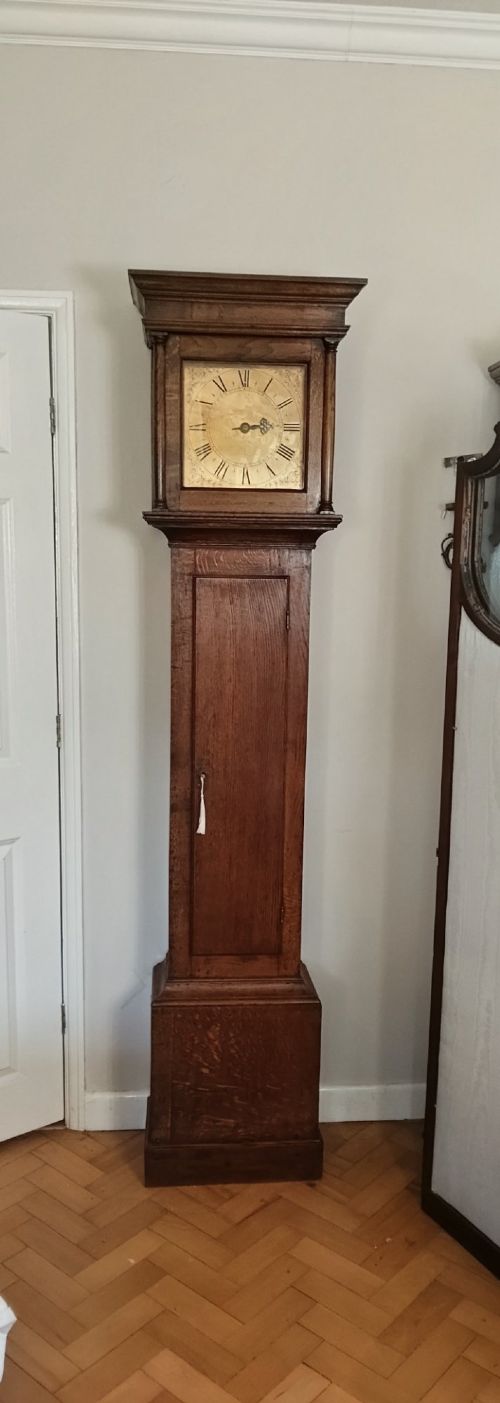
A dark brown longcase clock stands tall on the floor, housing a weight-driven or spring-driven movement inside a protective timber trunk. When exploring this selection, buyers encounter floor-standing examples spanning multiple centuries from the seventeenth century through the Art Deco era.
The assortment includes regional British and continental pieces in oak and mahogany, ranging from imposing nineteenth-century proportions down to smaller grandmother clocks. Dials vary from traditional brass and painted iron faces to moon phase displays and drum head formats.
Cabinet forms incorporate regional variations such as Scottish long cases and carved panels depicting figures. The structural layout consistently balances the height of the trunk with the enclosed dial and hood.
Materials and construction methods
Clock makers utilised sturdy native hardwoods like oak alongside imported mahogany for the tall cases, constructing frames to protect the delicate internal movements. Timber surfaces received polished finishes that emphasise the dark brown grain, occasionally complemented by hand-carved details.
Movements combine brass gears, iron components, and glass panels to enclose the dial and pendulum. Painted iron dials provide a contrasting surface for the numbers, while weights and chime systems drive the mechanical operation.
Distinctions in craftsmanship
Superior examples demonstrate meticulous attention to the timber selection and the precision of the cabinet joinery. The alignment of the hood door, the crispness of any carved ornamentation, and the integration of auxiliary mechanisms like moon rollers or musical carillons separate standard production from finer work.
The sophistication of the internal movement dictates the overall standard of the piece. Eight-day movements and quarter-chiming configurations require greater mechanical complexity than thirty-hour equivalents, reflecting the skill of the original workshop.
Matt Wylie Paisley·Edward White Birmingham·Richard Alexander Devizes·Hay Wolverhampton·William Noke·Robert Darling Melrose·Raine of Durham·Geo Tarratt of Leicester·John Wyat Altringham
The Dark Brown Longcase Clock Glossary
- Grandfather clock
- A large floor-standing pendulum clock enclosed in a tall wooden case, typically standing over six feet high. This term is frequently used interchangeably with longcase clock.
- Moon phase
- A dial mechanism tracking the lunar cycle through a rotating painted disk showing the moon's phases. It added visual complexity and utility to traditional clock faces.
- Drum head clock
- A clock style featuring a circular dial housing mounted directly atop the trunk, resembling the shape of a drum. This configuration appeared during the Victorian period.
- Carillon
- A set of tuned bells or gongs arranged within the clock case to play musical melodies at set intervals. These complex movements often support multiple tunes.
Dark Brown Longcase Clock: Frequently Asked Questions
Where should I place a longcase clock?
Position the clock against a sturdy interior wall away from direct sunlight, draughts, and sudden temperature shifts. A stable floor surface ensures the pendulum swings evenly and the case remains plumb.
Allow sufficient clearance above the case for weight winding or door access depending on the specific movement design.
How do I wind an eight day clock?
Insert the winding key into the designated holes on the dial face and turn steadily until the internal weights or springs reach their upper limit. Take care not to overwind the mechanism, stopping as soon as resistance increases.
For weight-driven movements, support the weight slightly if necessary to ease tension on the cord during the winding process.
Why does my clock need a moon phase dial?
The moon phase complications served a practical historical purpose for tidal information, agriculture, and night travel before artificial illumination. Today, the rotating painted disk adds decorative movement and mechanical interest to the dial.
Collectors appreciate these displays for the artistry involved in painting the lunar representations.
What is the difference between a thirty hour and eight day movement?
A thirty-hour movement requires manual winding after slightly more than a single day of operation, utilising a simpler train of gears. An eight-day movement runs for over a week before needing attention, requiring heavier weights or dual barrel springs.
This mechanical difference influenced both the internal complexity and the frequency of interaction required from the owner.