



Cut Crystal Tumblers
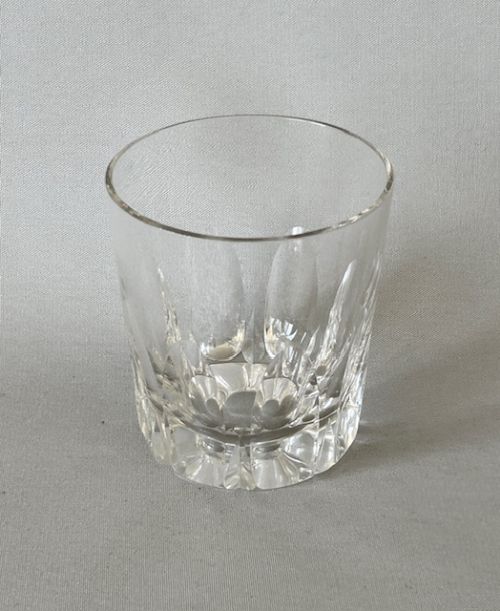
These cut crystal tumblers bring genuine weight and brilliance to the table, offering a direct tangible link to nineteenth and early twentieth century craftsmanship.
Cut Crystal Tumblers
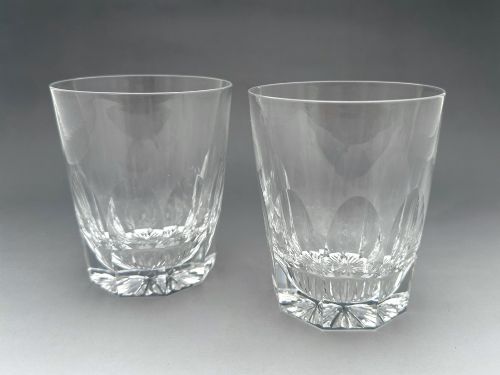
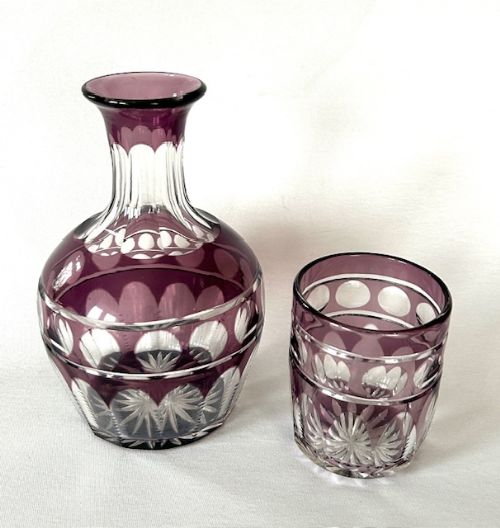
When you search for cut crystal tumblers, you encounter a robust range of drinking vessels spanning the Victorian, Edwardian, and Georgian eras alongside later twentieth century expressions. The selection brings together heavy English service pieces and continental European work, principally taking the form of whisky tumblers, cordial glasses, and substantial beakers.
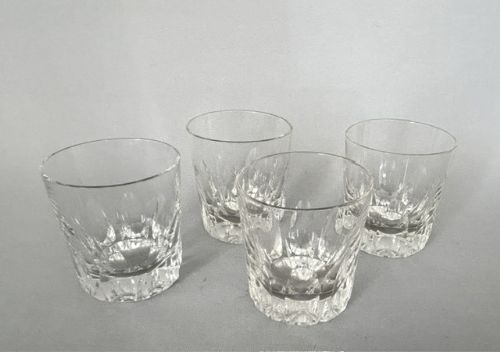
You are most likely to meet Victorian cut glass whisky tumblers and early twentieth century sets on this page. These pieces vary from modest single items to matched sets of four or six, occasionally appearing alongside complementary decanters and carafes.
How they were made
Makers utilised clear, lead crystal and coloured glass, including striking amethyst and ruby variants, shaped through heavy cutting and wheel engraving. The dense composition of the material allowed artisans to cut deep facets that captured and refracted light.
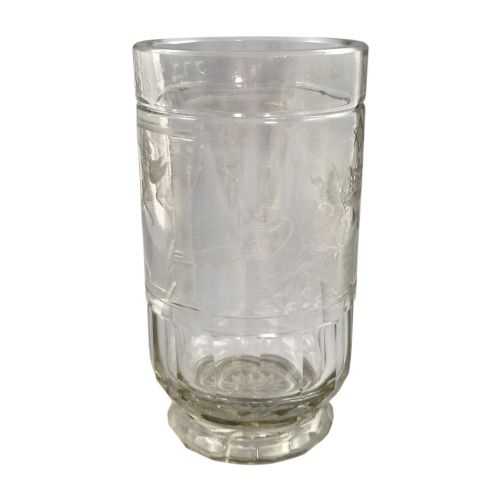
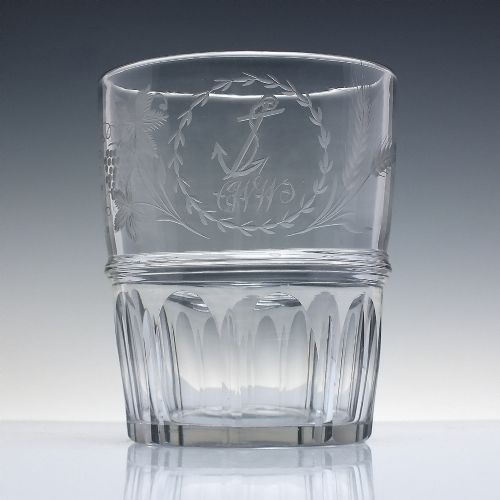
Surface ornamentation relied on precise wheel cutting and detailed engraving techniques, seen in geometric patterns as well as figurative subjects like the Socrates depiction. This subtractive method required immense control to carve crisp lines into thick vessel walls without cracking the material.
Cut Crystal Tumblers Retail Price Guide 2026
Typical asking prices for cut crystal tumblers among the pieces listed under this phrase on Sellingantiques today, from the lower quarter to the upper quarter. They describe what is for sale here now, not the wider market.
Materials across the inventory extend beyond clear lead crystal to include saturated hues of amethyst and ruby glass alongside etched surfaces.
What varies in quality
Quality rests in the crispness of the wheel cutting and the optical clarity of the metal itself. Finer examples display sharp, cleanly defined facet edges that catch the light cleanly, while lesser pieces show softer, more rounded facets resulting from hurried finishing.
The weight and balance of the vessel also dictate its standing. A superior tumbler possesses a thick, stable base and an even distribution of glass throughout the body, ensuring a satisfying heft in the hand.
The Cut Crystal Tumblers Glossary
- Cut glass
- Glass decorated by holding it against a rotating abrasive wheel to grind away material and create facets or patterns. This technique defines the primary decorative vocabulary of these vessels.
- Lead crystal
- Glass containing a high proportion of lead oxide, which increases weight, brilliance, and softness for easier cutting. It forms the heavy, resonant material of the finest tumblers.
- Wheel engraved
- A method of decoration where small rotating copper or stone wheels cut fine details, crests, or figures into the glass surface. It creates shallow, intricate designs distinct from deep facet cutting.
- Flip glass
- A tall, straight-sided Georgian drinking vessel with a heavy base, traditionally used for serving beer or ale. These historic pieces often feature delicate hand engraving.
- Beaker
- A wide, handleless cylindrical drinking vessel. In antique forms, these objects frequently served ceremonial or display purposes alongside everyday drinking use.
Cut Crystal Tumblers: Frequently Asked Questions
What is a cut crystal tumbler?
A cut crystal tumbler is a heavy, flat-bottomed drinking vessel shaped from lead-rich glass and decorated with ground facets or engraved designs. These pieces range from nineteenth-century English whisky glasses to continental European beakers.
They were designed for daily service or formal hospitality, offering a solid weight and brilliant light refraction that defined period tables.
How do I use antique tumblers?
These historical vessels suit modern dining and drinks service, particularly for spirits and water. Their solid construction makes them durable enough for regular handling.
Hand washing in warm water keeps the crystal bright and prevents the thermal shock that automatic dishwashers can cause.
How do I date an old tumbler?
Dating relies on stylistic clues, glass colour, and the sharpness of the cutting technique. Georgian and Victorian examples often feature deeper hand-cut facets and heavier bases.
Twentieth-century pieces from the Edwardian and Art Deco periods introduce more stylised motifs and standardised manufacturing traits.
What is the difference between glass and crystal?
True crystal contains lead oxide, which adds significant weight and increases the refractive index, making the material sparkle more intensely. Standard glass lacks this metallic oxide component.
Lead crystal also produces a clear, resonant ring when tapped gently, whereas regular glass gives a duller sound.