
Crystal Pendant Light Fixture
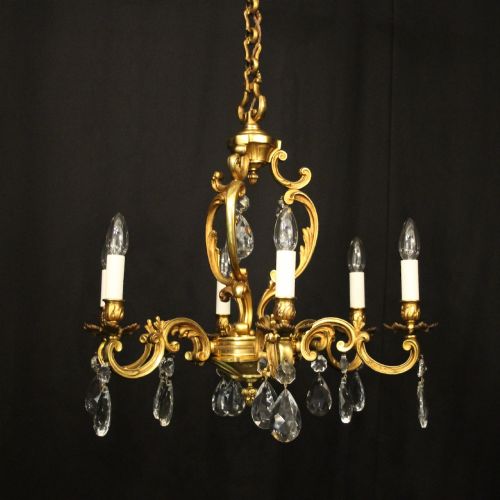
These crystal pendant light fixtures bring nineteenth and early twentieth century illumination into a room through brass, bronze, and cut glass.
Crystal Pendant Light Fixture
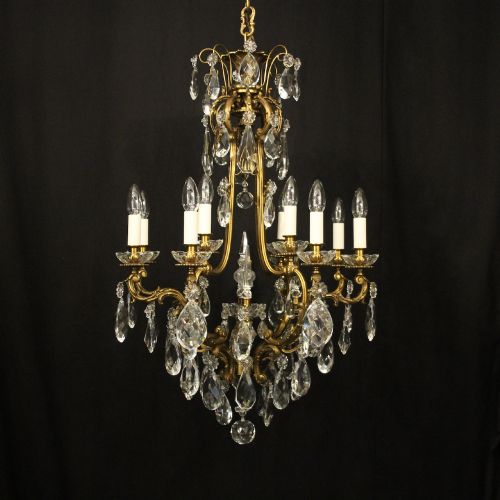
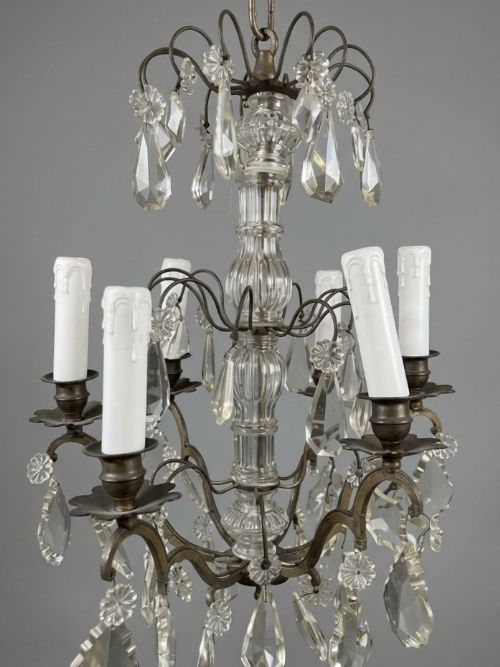
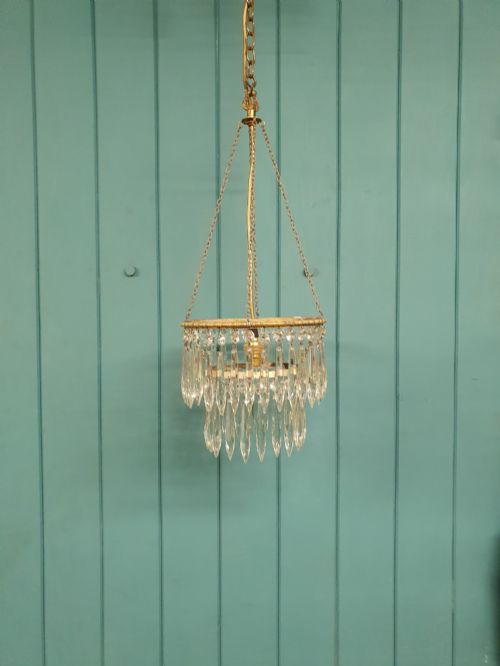
A crystal pendant light fixture illuminates a space using hanging glass drops, lustres, and prisms suspended from metal frames. Buyers searching for this phrase encounter ceiling lights, plafonniers, and multi-armed fixtures originating from French and Italian workshops.
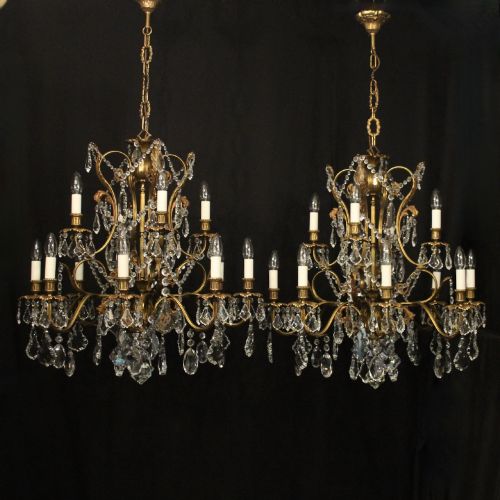
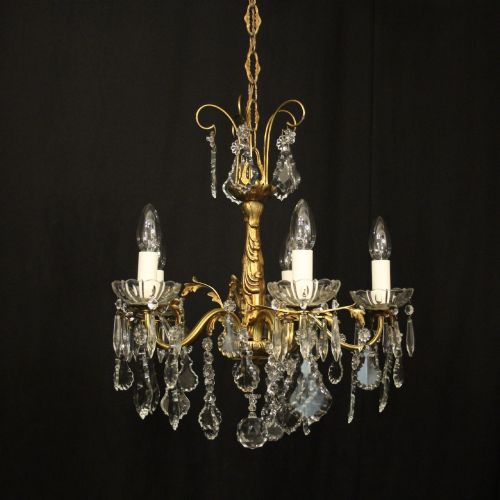
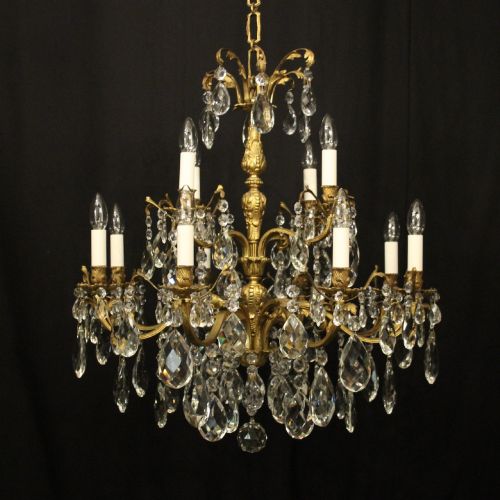
The selections span the Edwardian period, the 1890s, and the decades leading up to 1930. French chateau, Empire, and Rococo styles appear alongside Italian Florentine and Genoa designs, offering varied branch counts from single-light pieces to grand ballrooms chandeliers.
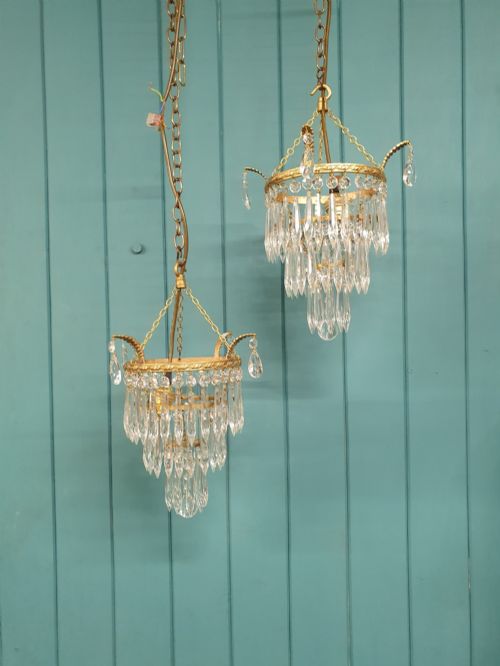
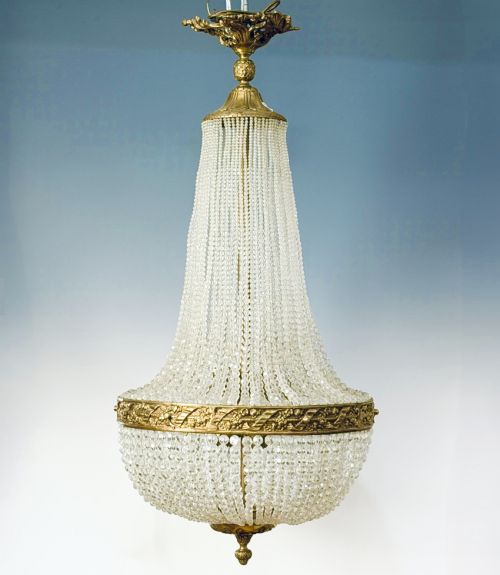
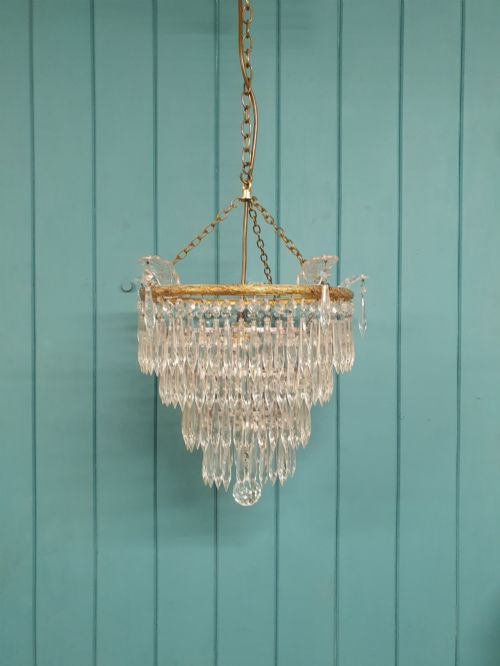
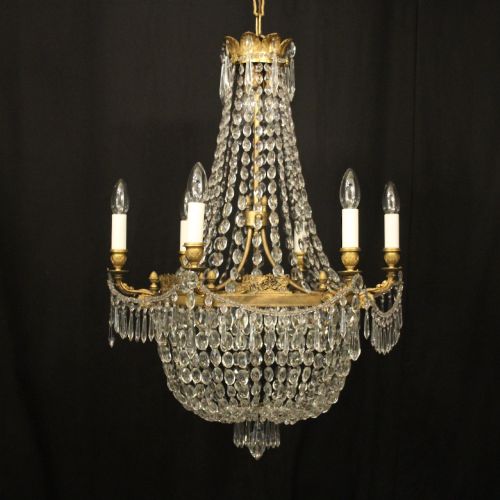
Smaller ceiling lights often feature dome tops or cut glass acorn plafonnier shapes suitable for compact spaces. Larger examples utilise tent and waterfall configurations hung with extensive crystal prisms and teardrops.
Materials and construction methods
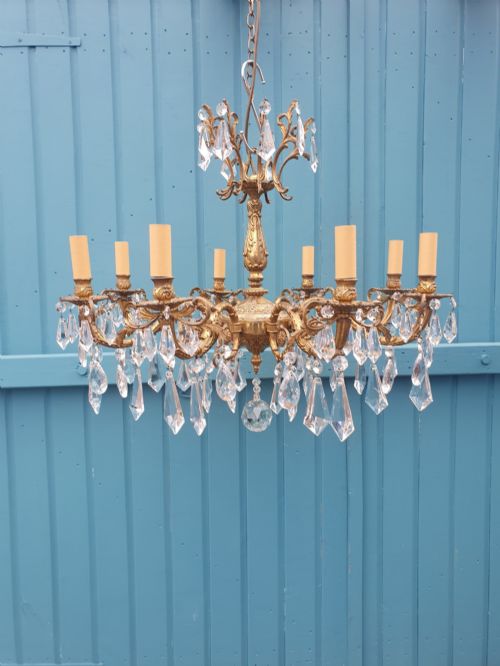
The primary structural frames rely on brass, bronze, gilt metal, and gilded or silver-gilded brass. Workshops shaped spelter, toleware, and bronze into intricate arms and decorative motifs such as flying cherubs, leaf decorations, and porcelain flowers.
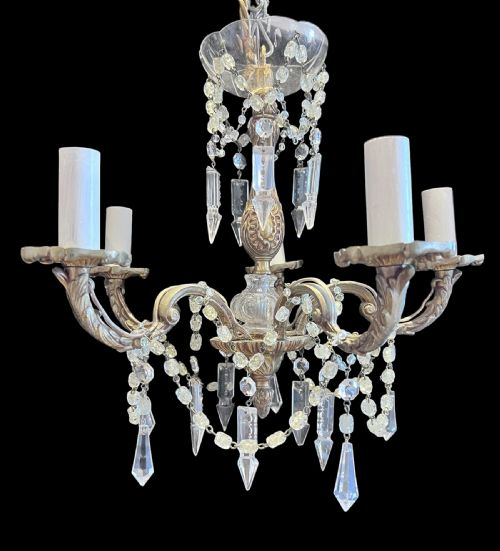
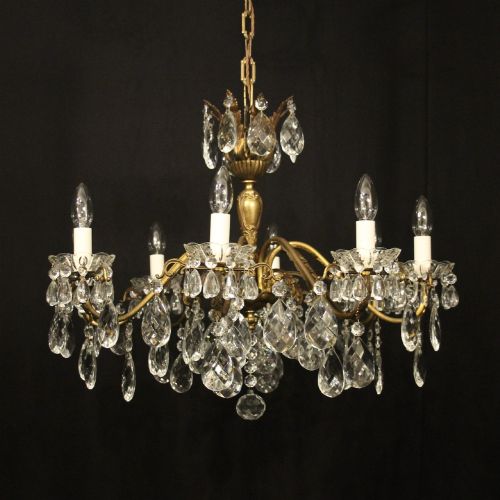
Illumination relies on glass, crystal, and cut glass configured as coffin prisms, crystal spikes, beads, and coloured crystals. Metal components received gilt or silver finishes, while lustres and teardrops hung from the frames to refract light.
Listings feature periods spanning from the late nineteenth century to 1930, encompassing Edwardian designs and early twentieth-century French and Italian forms.
Evaluating quality in hanging light fixtures
Quality differentiates through the complexity of the metalwork casting and the clarity of the cut glass. Elaborate frames featuring detailed gilt bronze, tolewear, or silver-gilded brass demonstrate higher craftsmanship than simpler stamped metal structures.
The richness of the hanging elements defines the upper tier of pieces. Extensive arrangements of cut crystal spikes, coffin prisms, and coloured crystals create depth and light refraction superior to minimal or plain glass drops.
The Crystal Pendant Light Fixture Glossary
- Plafonnier
- A ceiling light fixture mounted flush or close to the ceiling rather than suspended on a long chain. These often feature dome top shapes or cut glass bowls.
- Tent and waterfall
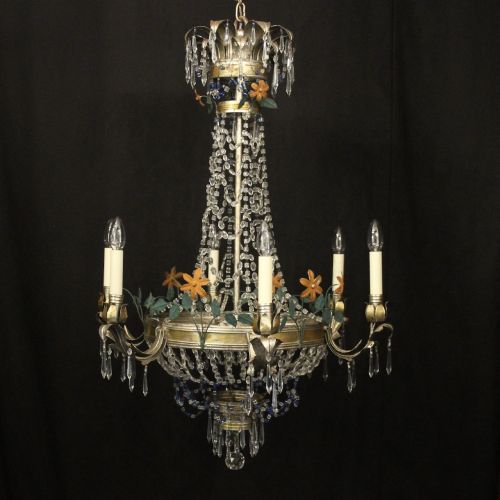
- A lighting configuration where strings of crystals form an upper tent shape above a cascading waterfall of drops. This style originates predominantly from French Empire designs.
- Lustre
- A cut glass pendant hung from a chandelier to reflect and scatter light. Lustres appear in various shapes including teardrops and beads.
- Coffin prism
- A specific linear cut glass drop shaped like a coffin, utilised in early twentieth-century fixtures to refract illumination. These hang in rows along the frame.
- Spelter
- An alloy of zinc and lead used for casting decorative figures and mounts on lighting fixtures. It often received a gilt finish to mimic bronze.
Crystal Pendant Light Fixture: Frequently Asked Questions
How do I choose the right size fixture?
Consider the room dimensions and ceiling height when selecting a fixture. Smaller dome top pieces and single-light plafonniers suit compact hallways, while multi-armed chandeliers require greater clearance.
Larger tent and waterfall configurations with numerous lights demand higher ceilings to properly balance the visual weight of the metal and glass.
What periods do these lights come from?
The lighting options predominantly date from the late nineteenth century through to 1930. Edwardian designs and pieces from the 1900s, 1910s, and 1920s represent the majority of available forms.
Stylistic influences span French Rococo, Empire, and Italian Florentine aesthetics, reflecting the decorative preferences of those decades.
How were different coloured crystals used?
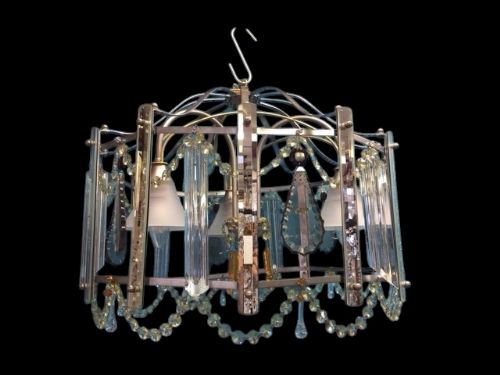
Coloured crystals and turquoise glass appear in specific French and Italian pieces to add decorative contrast. Amber teardrops and amethyst glass introduce warmth and varied hues to the illumination.
These coloured elements work alongside clear cut glass and crystal spikes to create distinct visual effects when the fixture is lit.
Where were these fixtures traditionally hung?
Multi-armed chandeliers adorned formal spaces such as salons, dining rooms, and ballrooms. Smaller ceiling lights and plafonniers provided illumination for vestibules, corridors, and intimate chambers.
French chateau and Italian palazzo interiors frequently utilised these tiered and beaded designs to maximise candle or early electric light.