




Crystal Hanging Lamp
A crystal hanging lamp brings unmistakable brilliance and sparkle to a room, casting intricate light patterns across walls and ceilings.
Crystal Hanging Lamp
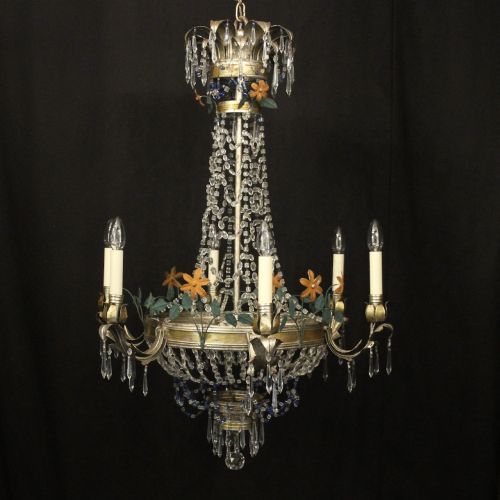
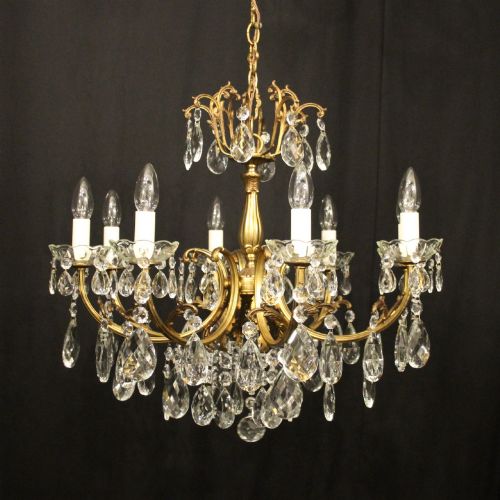
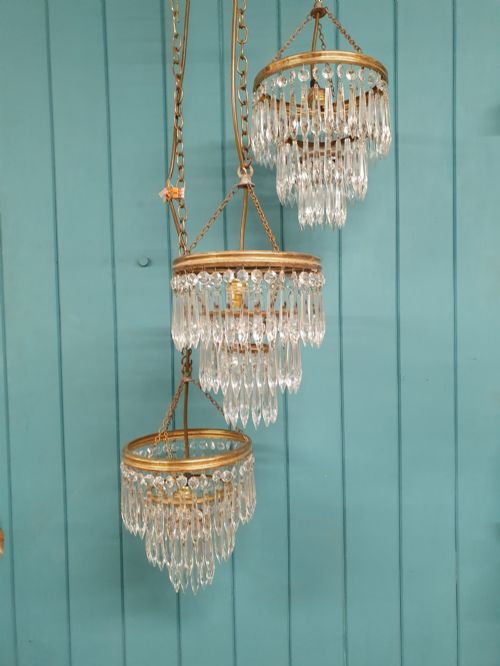
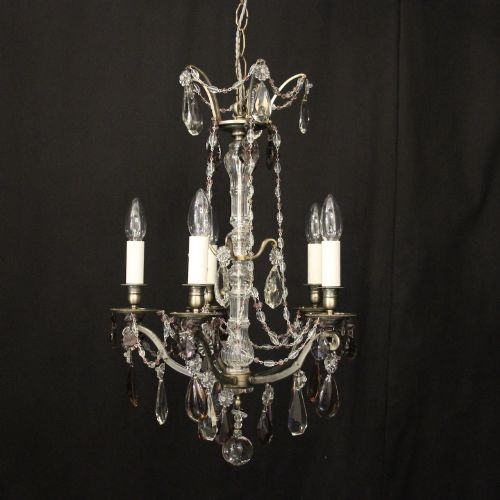
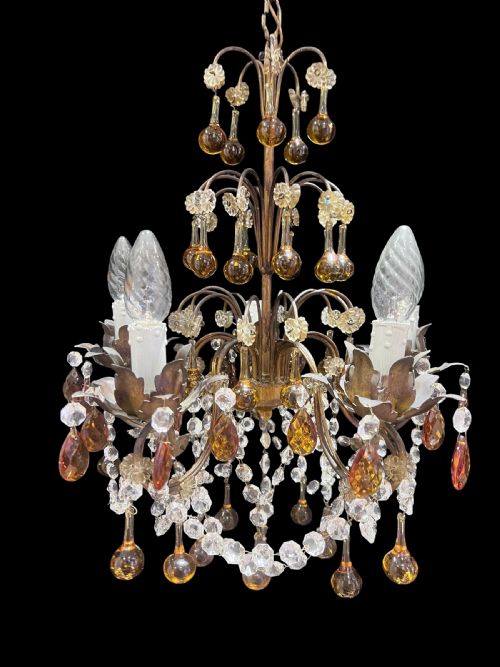
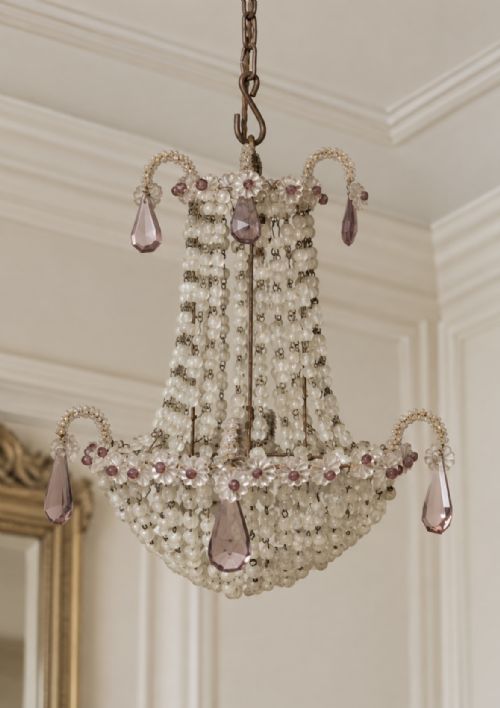
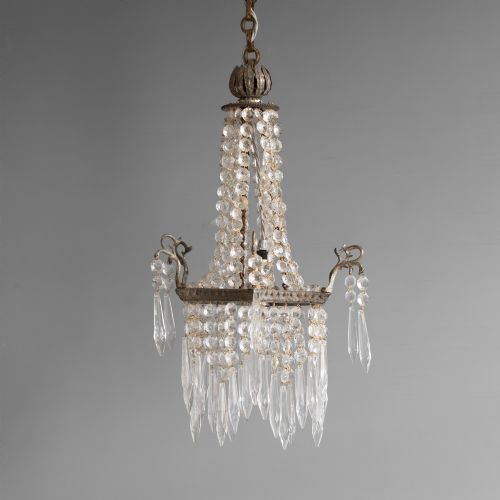
A crystal hanging lamp provides overhead illumination combined with decorative glass drops, beads and prisms that refract light throughout a space. When searching for a crystal hanging lamp, buyers encounter various forms ranging from substantial multi-light chandeliers to single pendant lights and small drop chandeliers. These fixtures originate from several distinct periods spanning the late nineteenth century through the early twentieth century, including Edwardian and 1920s examples.
The pieces available display diverse stylistic influences such as French Chateau, French Empire, Italian Rococo Revival and Arts and Crafts. Common configurations include tent and waterfall designs, basket or bowl shapes, and simple spike chandeliers holding differing numbers of lights. French and Italian workshops feature prominently among these designs alongside English pendant lights.
Materials and construction methods
Makers constructed the primary frames of these lamps using metals such as brass, gilded brass, gilt bronze, gilt metal, silver-plated metal and chrome. These structural armatures support intricate arrangements of cut glass and crystal prisms, drops and beads linked together to form tents, cascades and bowls.
Lighting configurations range from single-bulb pendants to grand multi-light chandeliers holding numerous bulbs. Elements like coloured crystals and blue prisms are occasionally incorporated into the upper sections and centres of the frames to enhance visual depth.
Crystal Hanging Lamp Retail Price Guide 2026
Typical asking prices for crystal hanging lamp among the pieces listed under this phrase on Sellingantiques today, from the lower quarter to the upper quarter. They describe what is for sale here now, not the wider market.
Distinctions in quality and execution
The calibre of a crystal hanging lamp depends heavily on the precision of the glass cutting and the purity of the crystal elements, which dictate how sharply light refracts. Heavier metal castings in bronze or gilded brass provide superior structural integrity compared to lighter or plated alternatives.
Design complexity also separates standard items from exceptional pieces, with elaborate multi-tiered tent and waterfall constructions or extensive beadwork requiring greater artisan skill than simple single-light pendants.
The Crystal Hanging Lamp Glossary
- Prism
- A cut glass or crystal pendant designed to refract light into spectral colours. These hang from the frame in various shapes.
- Tent and waterfall
- A traditional chandelier configuration featuring an upper triangular tent of strands above a cascading lower section of crystals. This style creates a layered appearance.
- Gilt bronze
- Metal alloy coated with a thin layer of gold, commonly utilised in high-end antique chandelier frames. It offers a warm and enduring metallic finish.
- Pendant light
- A single light fixture suspended from the ceiling by a cord, chain or metal rod rather than branching into multiple arms. These suit smaller spaces.
Crystal Hanging Lamp: Frequently Asked Questions
How do I hang a crystal chandelier safely?
Professional installation is strongly advised because antique fixtures require secure ceiling anchor points capable of supporting their combined metal and glass weight.
Wiring should be checked and updated by a qualified electrician to meet current safety standards before operation.
What rooms suit a pendant light?
Pendant lights work well in hallways, entryways, bedrooms and smaller dining spaces where a large multi-light chandelier would overwhelm the proportions.
Their single-point suspension directs focused or ambient illumination exactly where needed.
How do I clean crystal drops?
Gentle hand cleaning with a mild soapy solution and a soft cloth preserves the finish of both the crystal and the surrounding metal framework.
Individual drops can often be wiped in place or carefully removed if the hanging wire links permit.
How can I tell an Edwardian piece apart?
Edwardian lighting frequently exhibits refined proportions and specific cut glass formations characteristic of the early twentieth century.
Comparing the metal framing materials and prism styles helps distinguish these pieces from later mid-century or Victorian designs.