



Crystal Dome Light
A crystal dome light brings sharp refraction and steady downward illumination into a room, making it a reliable choice for period interiors.
Crystal Dome Light
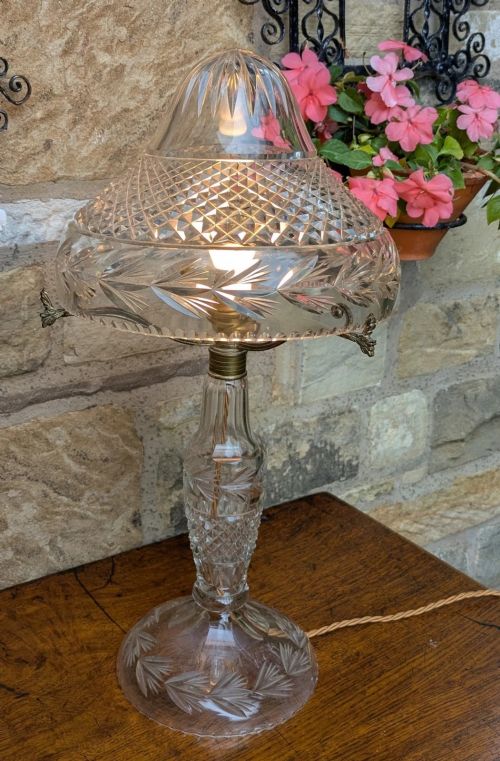
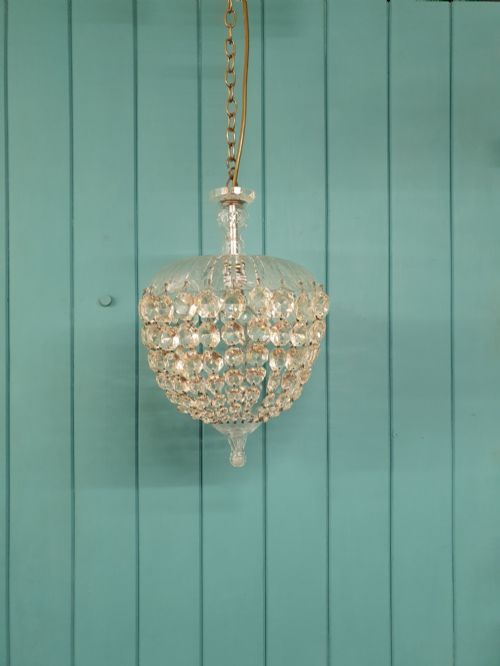
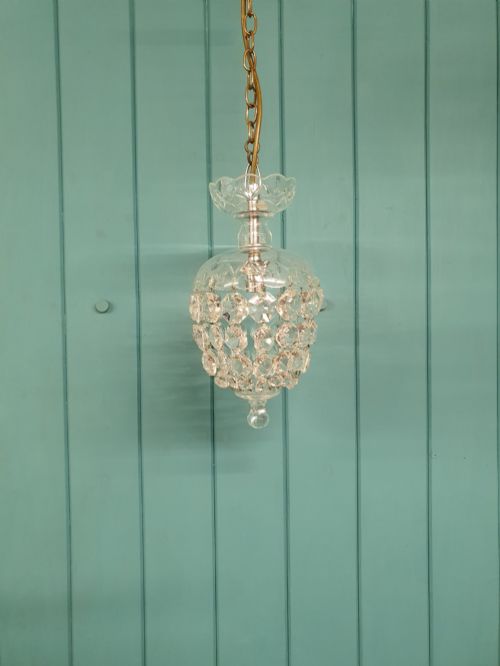
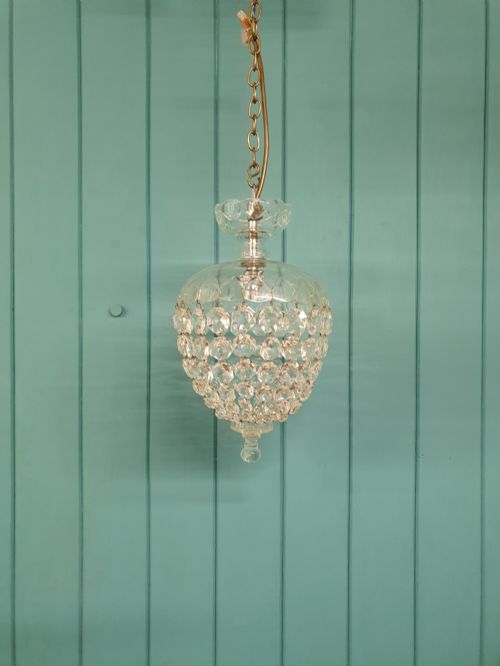
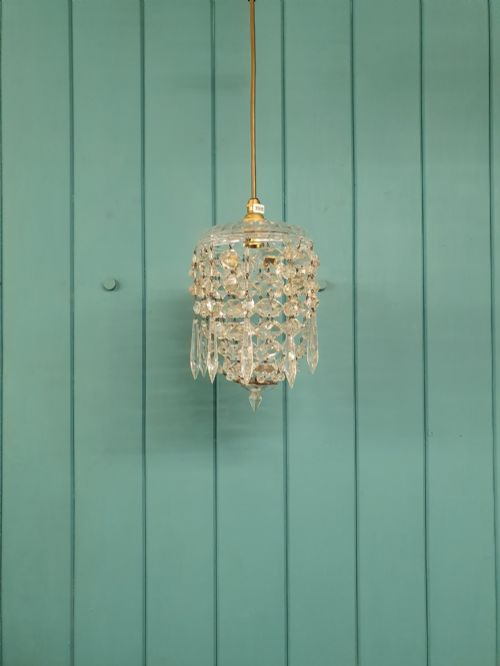
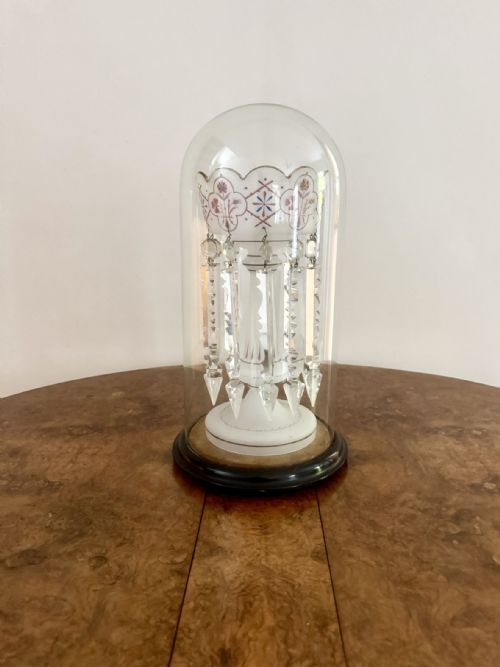
A crystal dome light encompasses pendant chandeliers, ceiling fittings, and table lamps that utilise rounded glass and crystal shades. These pieces emerge from periods spanning the Victorian era through the Art Deco years, taking forms like six-inch and ten-inch dome top chandeliers alongside mushroom lamps and lustre assemblies.
Buyers encountering this search phrase find diverse lighting solutions shaped by Edwardian, Victorian, and French influences. The selection relies heavily on early twentieth-century manufacture, incorporating both ceiling-hung fixtures and surface-mounted designs that disperse light across a space.
How they were made
Makers shaped heavy glass and lead crystal into rounded domes, often employing deep cutting techniques to catch and refract light. These glass shades paired with metal mounts cast in brass or chrome to secure the fixtures safely to ceilings or lamp bases.
Selected examples incorporate frosted glass or delicate etching, while certain Victorian configurations combine glass domes with hanging lustres. Workshops utilised wood components in specific base designs to anchor the structural weight of larger lamp assemblies.
Crystal Dome Light Retail Price Guide 2026
Typical asking prices for crystal dome light among the pieces listed under this phrase on Sellingantiques today, from the lower quarter to the upper quarter. They describe what is for sale here now, not the wider market.
Listings span Edwardian, Victorian, and Art Deco periods, utilising brass, chrome, and lead crystal.
What varies in quality
The distinction between standard production and finer output rests in the depth of the cut crystal and the clarity of the glass. Superior pieces display crisp facets that disperse illumination cleanly, whereas lesser examples present softer edges and simpler moulding.
Metal components also define the tier of a piece, with solid brass or chrome mounts offering greater durability than plated alternatives. The integration between the glass dome and its supporting hardware dictates the overall structural integrity.
Stuart Crystal
The Crystal Dome Light Glossary
- Cut glass
- Glass decorated by grinding facets or patterns into the surface using a wheel. This technique creates sharp edges that catch and multiply light.
- Lead crystal
- Glass containing metallic oxide to increase weight, brilliance, and refractive index. It yields a clearer, heavier shade than standard glass.
- Lustre
- A decorative glass ornament hung with crystal pendants, often paired with a glass dome on Victorian mantel pieces. It reflects ambient light through suspended prisms.
- Frosted glass
- Glass rendered opaque through acid etching or sandblasting to diffuse glare. This treatment softens the output of internal bulbs.
Crystal Dome Light: Frequently Asked Questions
Where do crystal dome lights work best?
These fixtures suit hallways, dining spaces, and low-ceiling rooms where a compact profile maintains adequate clearance. Their downward-focused illumination provides practical task or ambient light without dominating a smaller area.
Matching the scale of the dome, such as six-inch or ten-inch widths, to the proportions of the room ensures balanced visual weight across the ceiling or tabletop.
How do I date a crystal dome light?
Dating relies on examining the mounting metalwork, the wiring methods, and the cutting style of the glass. Edwardian and Victorian pieces often feature heavy brass fittings and hand-cut facets, while 1920s and 1930s examples introduce chrome finishes and etched Art Deco motifs.
Comparing the physical construction against known production periods helps narrow down the decade of origin.
Are these lights suitable for modern wiring?
Most antique fixtures accept contemporary electrical components, though older fittings often require professional rewiring to meet current safety standards. Qualified electricians can adapt internal lamp holders without altering the historic glass or metal exterior.
Checking the internal fittings before installation ensures compatibility with standard modern bulbs.
What is the difference between a pendant and a table lamp?
Pendant fittings suspend from the ceiling via chains or rods to project light downwards across a wider interior space. Table lamps and mushroom lamps sit on flat surfaces, offering localized illumination closer to eye level.
Both forms utilise the characteristic crystal dome shade to control and refract the light source.