


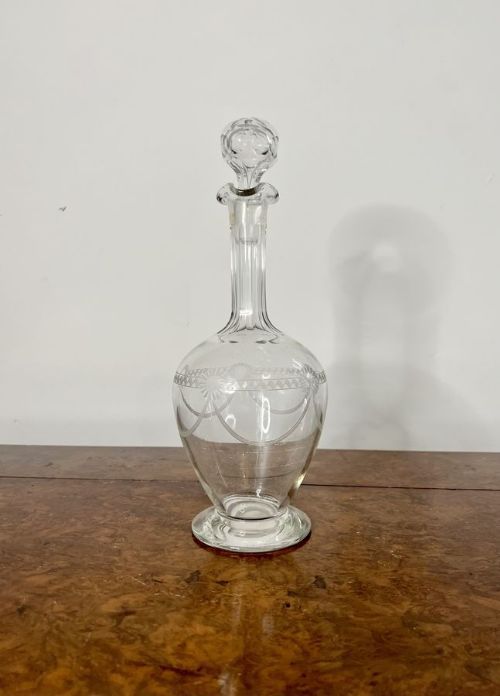


Crystal Decanter with Stopper
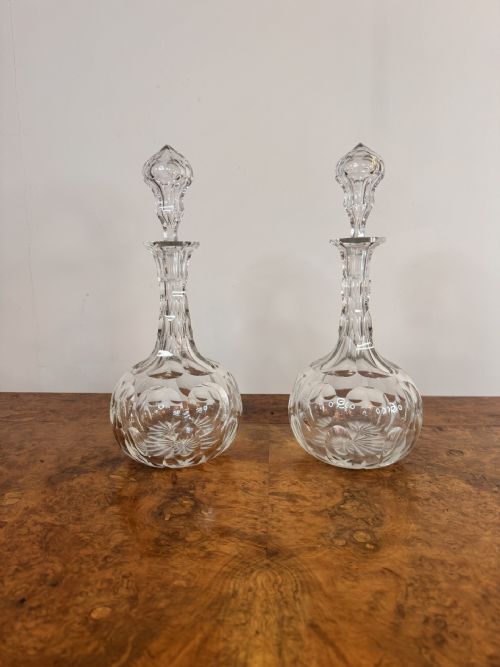
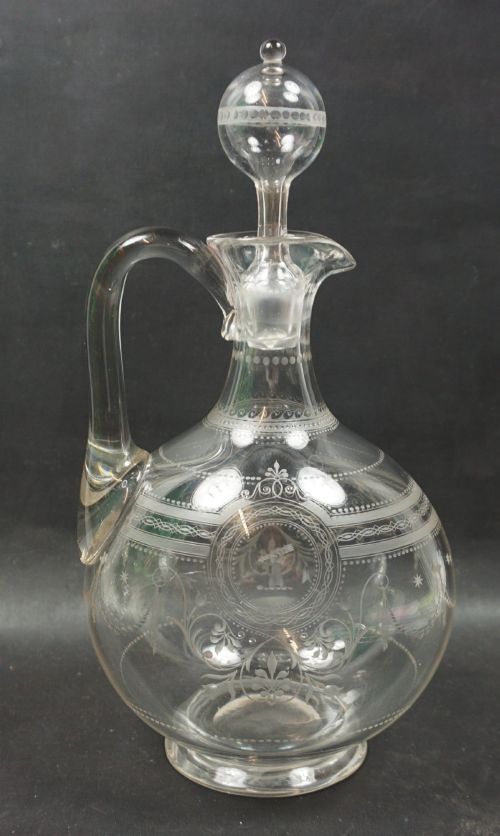
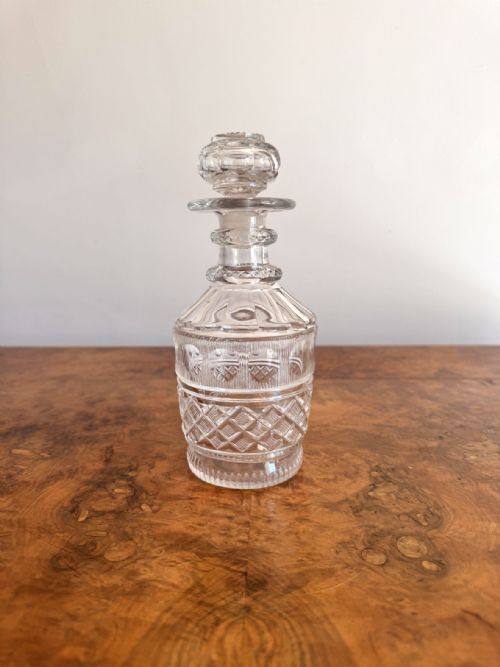
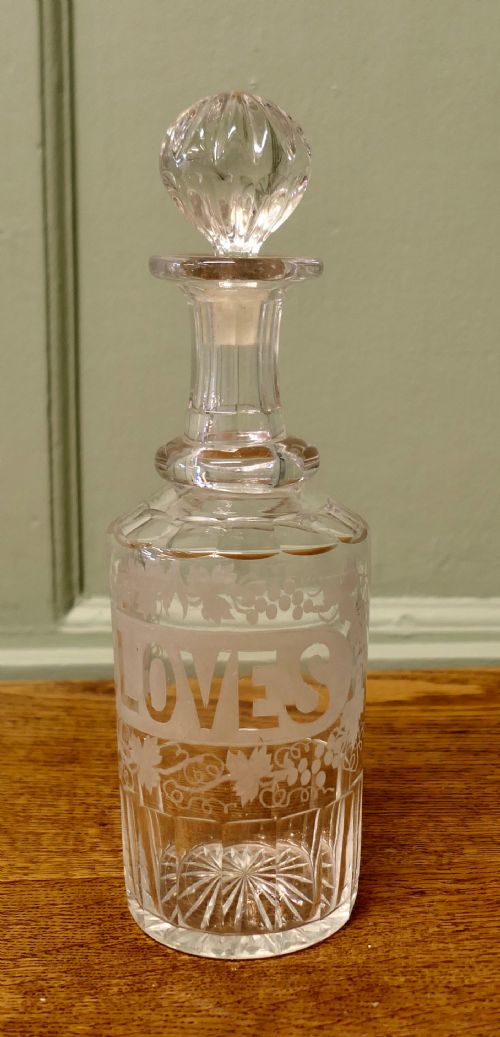
These crystal decanter with stopper pieces are functional table glass objects designed to hold and serve wine or spirits.
Crystal Decanter with Stopper
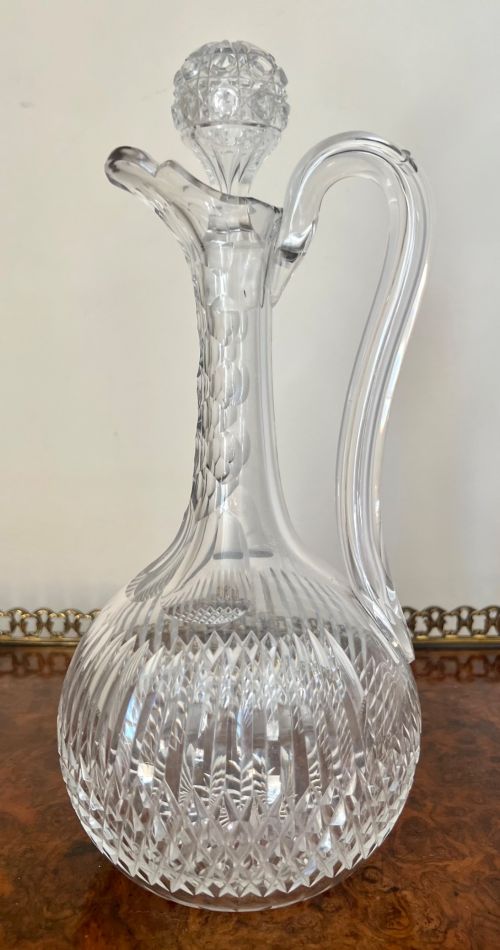
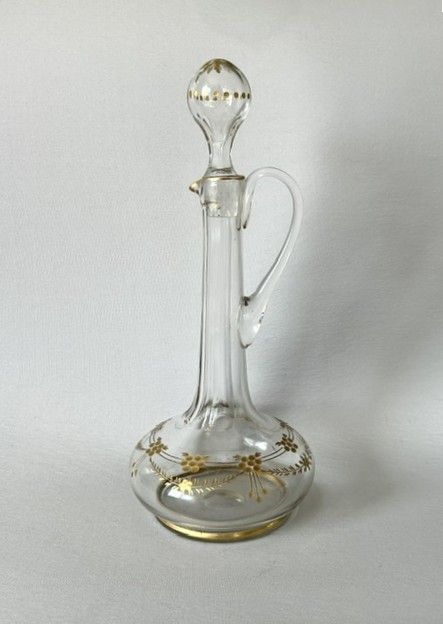
A crystal decanter with stopper combines heavy glass vessels with matching closures designed to preserve the contents while gracing the dining table. When searching this phrase, buyers encounter forms ranging from Georgian and Victorian table pieces to Edwardian cut glass ewers and Art Deco vessels.
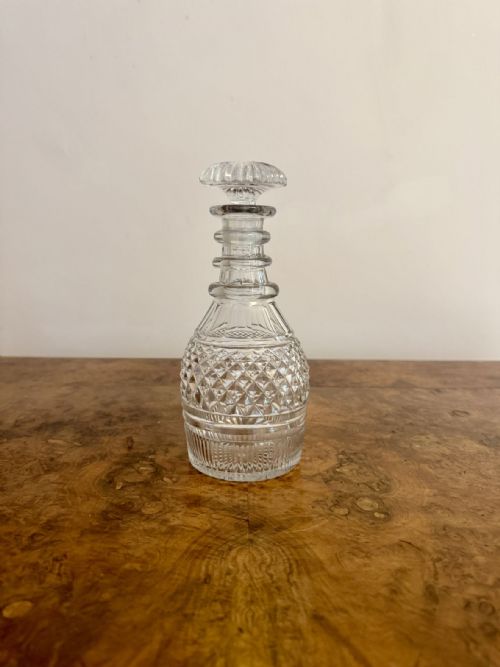
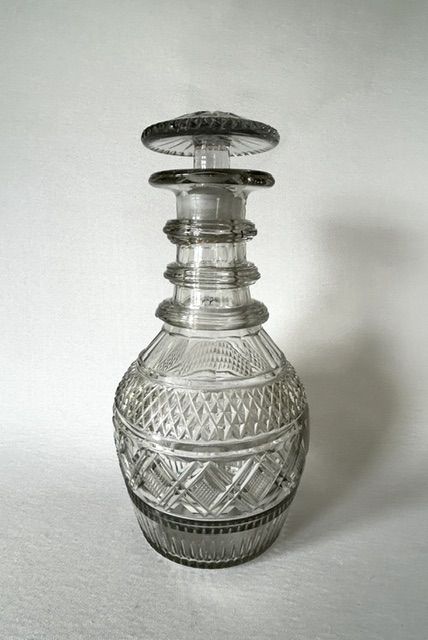
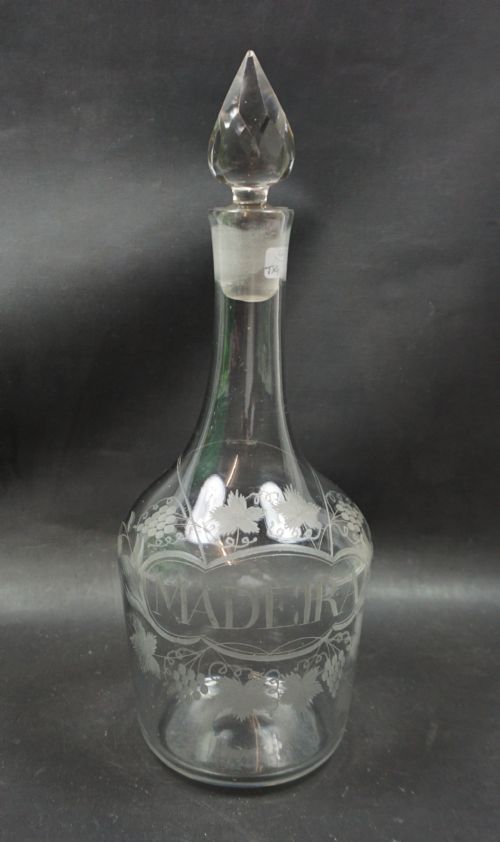
The selection here spans production from the mid-eighteenth century through the early twentieth century, showing English and continental origins. Common variations include three-ring wine decanters, shoulder forms engraved with drink labels, and novelty shapes such as the Scottish thistle.
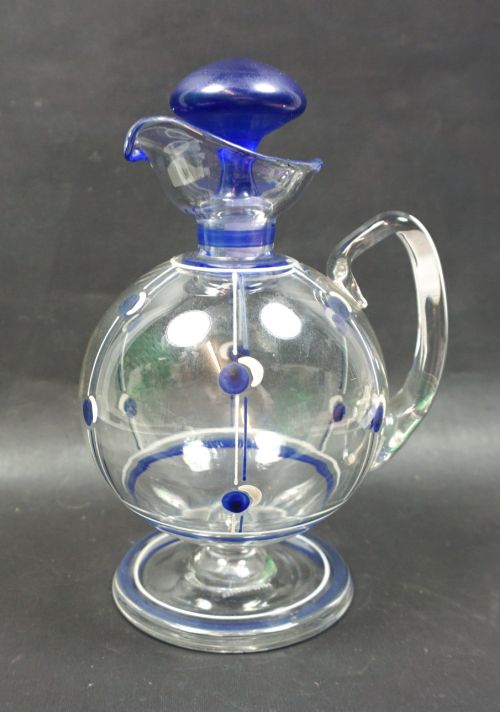
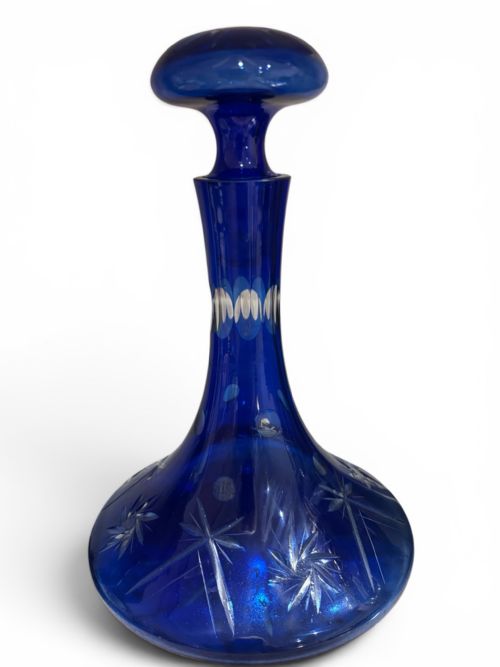
Many examples incorporate applied silver collars or blue enamel decoration, demonstrating the functional elegance expected of the form. Each piece reflects the prevailing style of its period, from Georgian simplicity to Edwardian brilliance.
Materials and construction
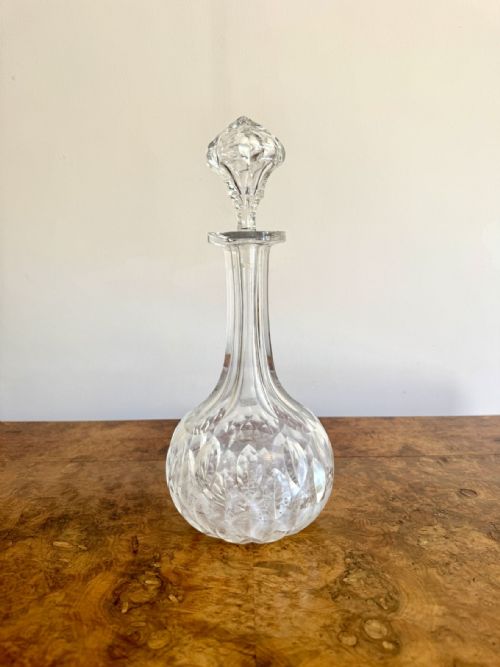
Makers utilised clear glass, cut glass, lead crystal, and lead glass to achieve refractive brilliance and heavy physical weight. These materials allowed artisans to cut deep facets that catch candlelight and sunlight alike.
Surface ornamentation involved wheel engraving to denote contents like Madeira, alongside hand-applied blue enamel and silver plate or silver collars. Stoppers were individually ground to fit each specific neck, ensuring a close seal for the stored liquid.
Crystal Decanter with Stopper Retail Price Guide 2026
Typical asking prices for crystal decanter with stopper among the pieces listed under this phrase on Sellingantiques today, from the lower quarter to the upper quarter. They describe what is for sale here now, not the wider market.
Judging quality and execution
Quality rests upon the crispness of the cutting and the clarity of the metal, where finer pieces display sharp facets without cloudiness. The weight of the lead crystal and the balance of the proportions dictate the visual success of the vessel.
The integration of metal mounts, such as silver collars from makers like Hukin and Heath, elevates the standard of the piece. Matching original stoppers that sit flush within the hand-ground neck further distinguish superior examples.
Hukin and Heath
The Crystal Decanter with Stopper Glossary
- Cut glass
- Glass decorated by holding it against a rotating wheel to carve facets and patterns into the surface. This technique creates the sparkle characteristic of finer decanters.
- Lead crystal
- Glass containing lead oxide, which increases weight, brilliance, and workability for deep cutting. It forms the heavy body of many antique decanters.
- Stopper
- The glass or crystal plug that fits into the neck of the decanter to seal the contents. Original stoppers are ground to fit an individual vessel.
- Shoulder decanter
- A form featuring a broad, flat shoulder and a tapering body, common in eighteenth-century English examples. This shape provides stability on the dining table.
- Silver collar
- A metal band fitted around the neck of the decanter, sometimes bearing hallmarks or maker marks. It provides structural reinforcement and a decorative accent.
Crystal Decanter with Stopper: Frequently Asked Questions
How do I clean a cloudy decanter?
Residue is removed using warm water, mild detergent, and specialised cleaning beads rather than harsh abrasives.
Careful rinsing prevents scratching the inner surface of the lead crystal.
Are original stoppers important?
Matching stoppers ground specifically for the individual neck maintain the historical integrity and value of the piece.
Finding a replacement that fits correctly can prove challenging due to hand-ground manufacturing methods.
How do I date an old decanter?
Dating relies on the shape of the body, the presence of neck rings, and the style of the cutting or engraving.
Georgian examples often feature simpler shapes and engraving, whereas Victorian and Edwardian pieces lean toward heavier cut glass.
Can I use these for serving wine today?
These vessels function effectively for decanting and serving red wines or spirits during meals.
Checking the interior for staining ensures the vessel remains ready for modern dining tables.