

Crystal Bead Lighting
Crystal bead lighting brings together cut glass drops and delicate metal frames to cast fractured light across a room.
Crystal Bead Lighting
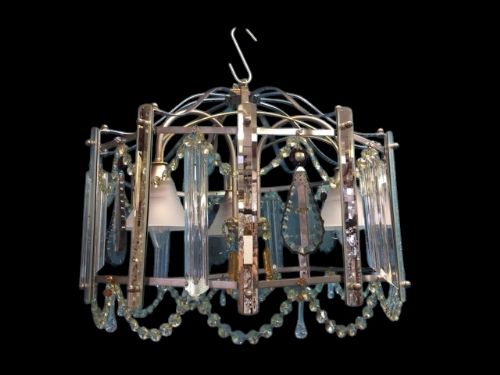
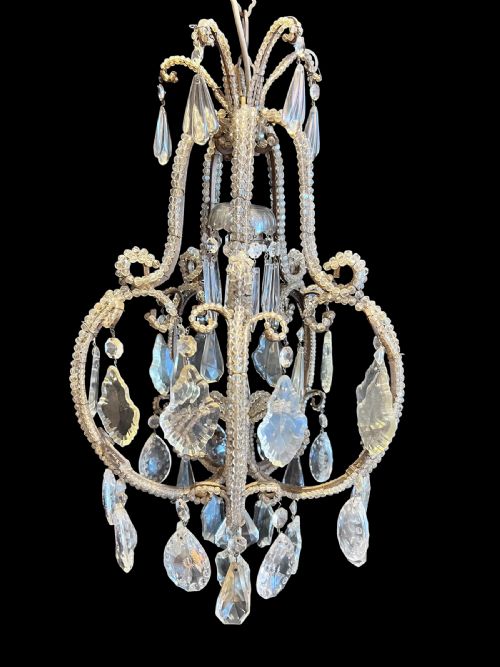
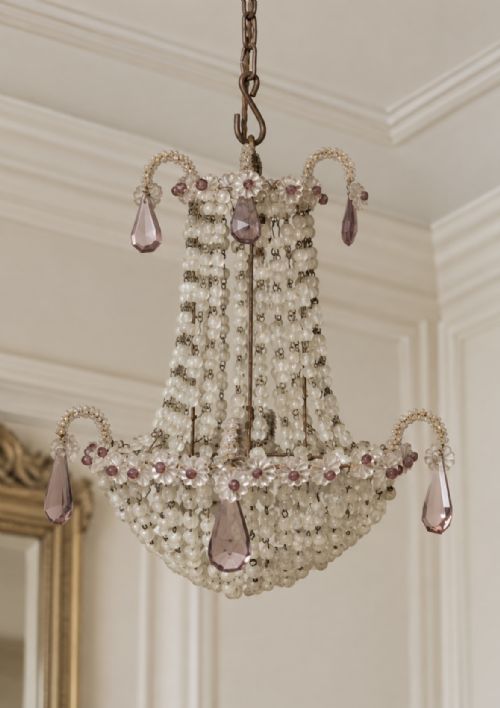
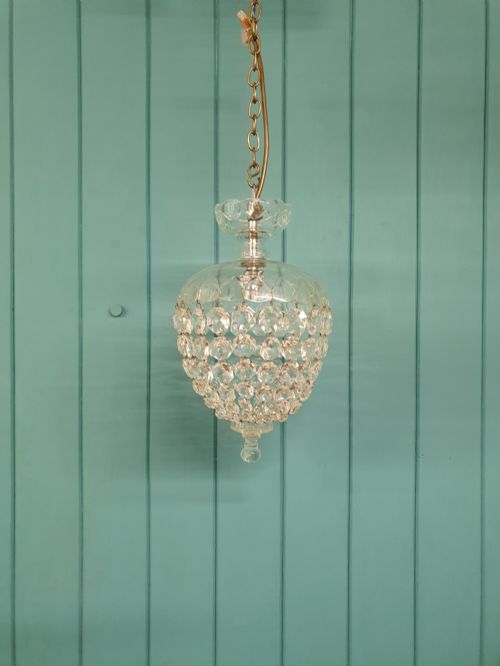
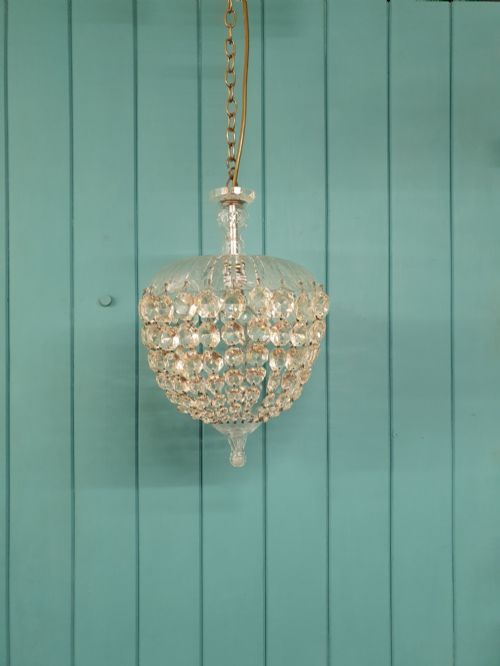
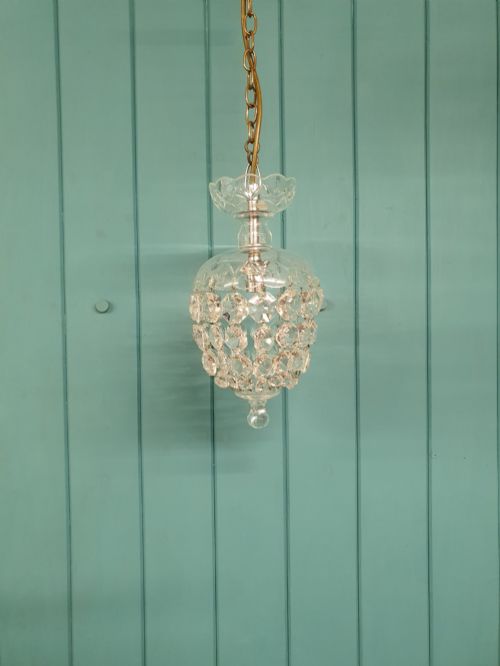
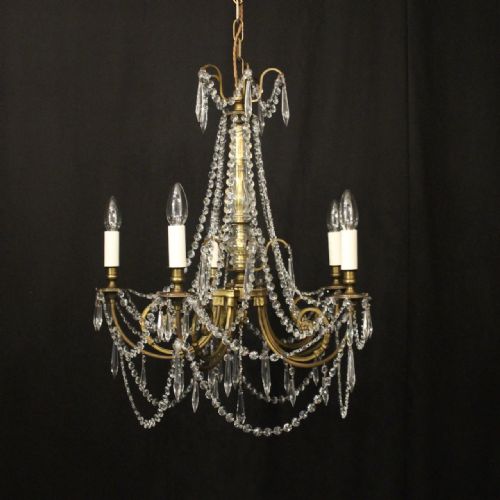
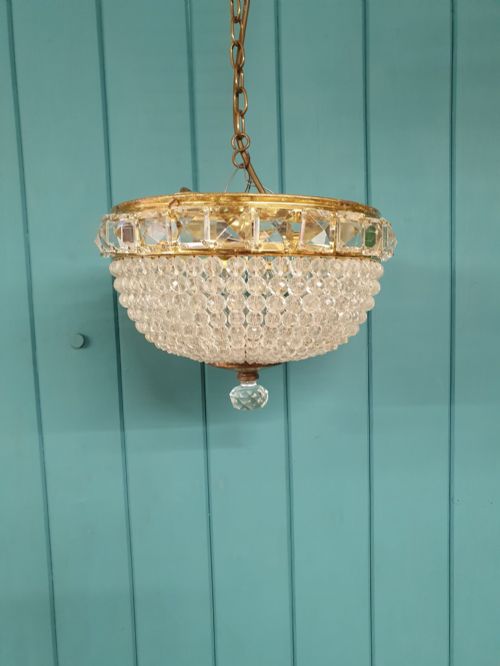
Crystal bead lighting comprises chandeliers, ceiling lights, wall lights, pendant lights, and table lamps designed to catch and refract light through suspended glass elements. Buyers seeking these fixtures will encounter pieces ranging from compact bag chandeliers to multi-tiered French Empire styles.
The selections span the Edwardian era, the 1900s, 1910, 1920, 1930, the 1960s, and the nineteenth century. Italian and French influences predominate, alongside specific forms such as dome top chandeliers, galleon chandeliers, and tent and waterfall configurations.
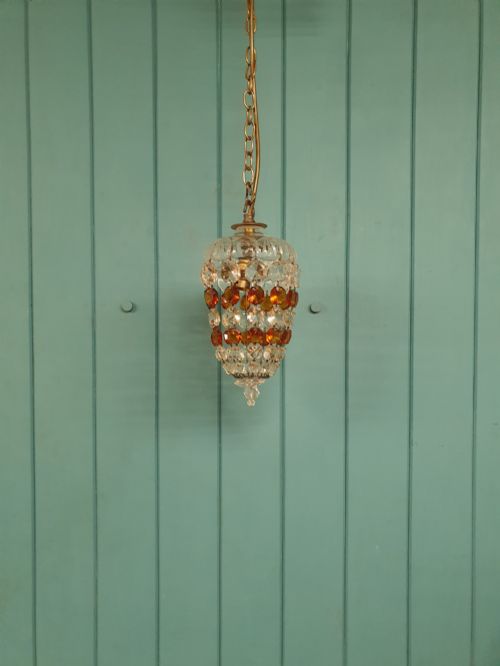
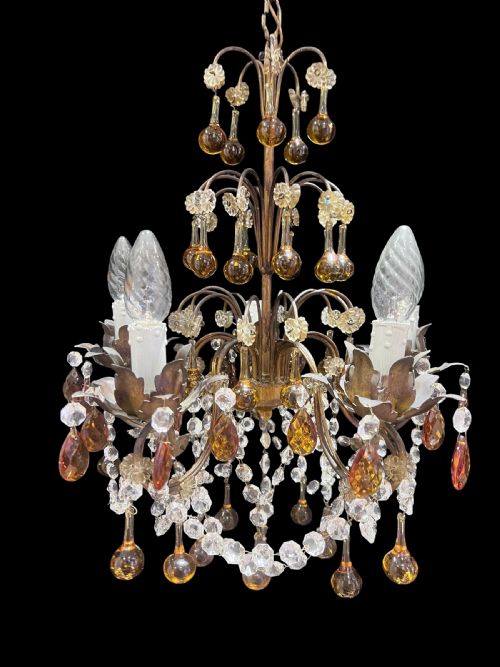
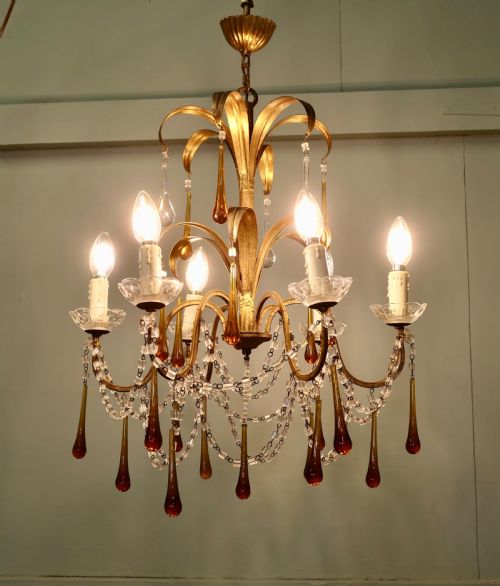
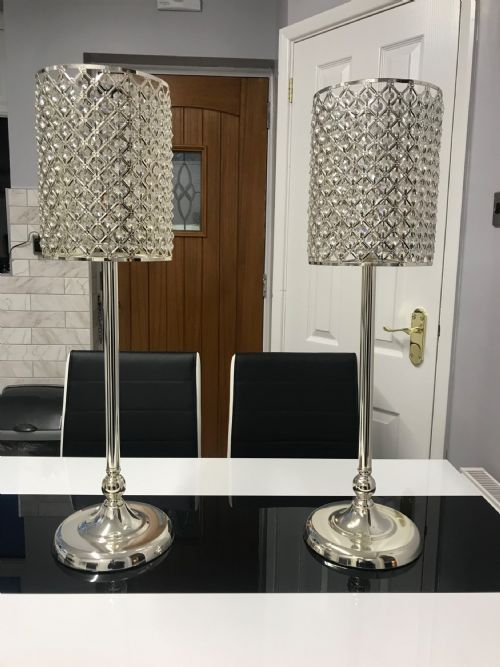
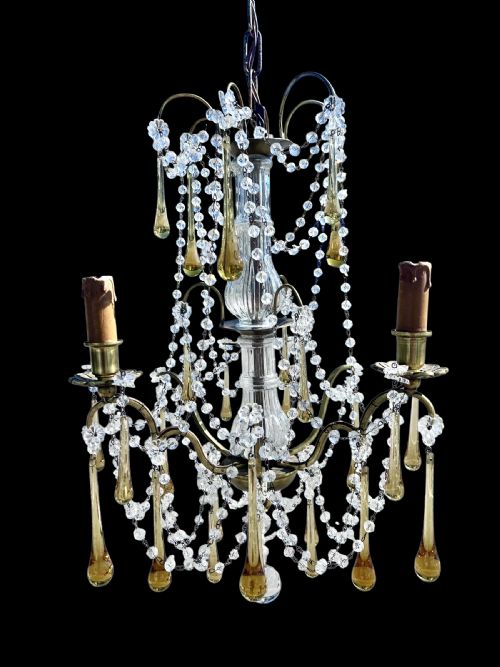
While most examples are ceiling fixtures, the category also accommodates wall lights and table lamps constructed with identical beaded detailing. Certain items incorporate coloured crystals, amber teardrops, or decorative glass fruit and flower motifs.
Materials and construction methods
Frames are constructed from brass, iron, gilt metal, wire, and silver plated or silver gilded bases that support the glass components. Metalwork styles reflect French Chateau, Art Deco, Italian Florentine, Venetian, and Rococo Revival traditions.
The hanging elements utilise cut glass, cut crystal, crystal glass, and rock crystal fashioned into beads, prisms, drops, and draped swags. These components are wired or threaded together to form dense beaded arms, bag structures, and cascading waterfalls.
Crystal Bead Lighting Retail Price Guide 2026
Typical asking prices for crystal bead lighting among the pieces listed under this phrase on Sellingantiques today, from the lower quarter to the upper quarter. They describe what is for sale here now, not the wider market.
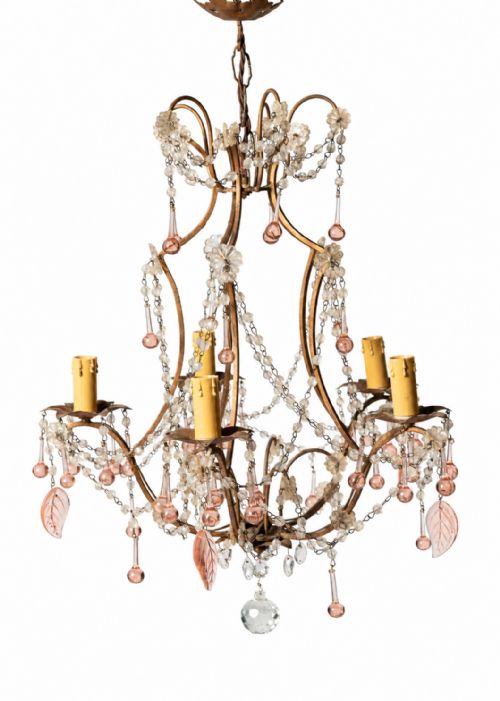
One extraordinary chandelier is hung with coloured crystal fruits including grapes, apples, and pears.
Distinctions in standard and execution
Quality reveals itself in the precision of the glass cutting and the clarity of the crystal components, which determine how sharply light disperses through the room. Denser arrangements of beads and heavier gauge metal frames denote more ambitious workshop production.
The integration of the metal frame with the glass ornamentation dictates the architectural harmony of the fixture. Subtleties such as hand-gilded finishes, silver plating, and the inclusion of coloured crystal elements elevate individual examples above standard production.
Wedgwood
The Crystal Bead Lighting Glossary
- Bag chandelier
- A fixture shaped like a flat-backed or tapered bag where beads drape from a top ring down to a lower metal base. This form concentrates the refractive glass elements into a compact silhouette.
- Tent and waterfall
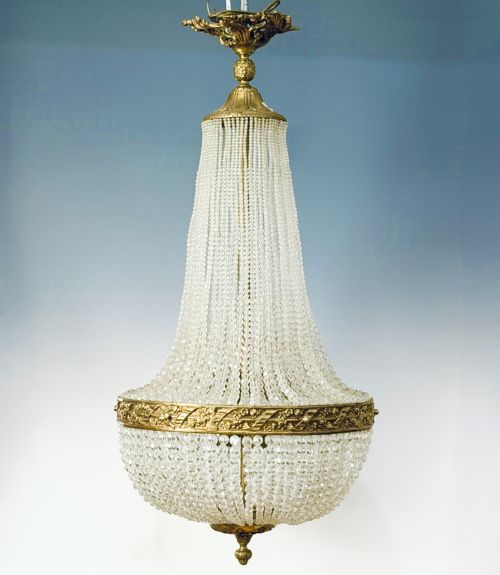
- A design featuring an upper canopy of strung beads resembling a tent, dropping down into a cascading tier of crystals. It creates a dense curtain of reflective glass.
- Galleon chandelier
- A decorative framing style fashioned to resemble the hull and rigging of a historic sailing ship. These pieces often integrate extensive beadwork along the structural ribs.
- Rock crystal
- A naturally occurring colourless quartz mineral used for high-end decorative drops and beads instead of moulded glass. It offers superior optical clarity and heft.
- Prism
- A geometric cut glass pendant designed to break light into spectral colours. These hang from the arms and rims of chandeliers.
Crystal Bead Lighting: Frequently Asked Questions
What rooms suit crystal bead lighting?
These fixtures suit dining rooms, entrance halls, and bedrooms where ambient, refractive illumination enhances the atmosphere. Smaller bag chandeliers and wall lights fit lower ceilings and more intimate spaces.
Larger tent and waterfall configurations require higher clearance to display their tiered drop arrays effectively. Table lamps offer a way to introduce the same reflective glass elements at surface level.
How do French and Italian styles differ?
French designs typically lean towards Empire and Chateau influences featuring structured brass frames, gilt metal, and precise tent and waterfall droplet arrangements. They often utilise amber or clear cut glass.
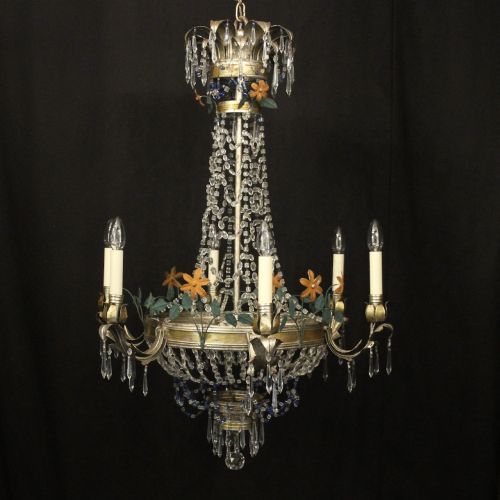
Italian pieces frequently draw on Florentine, Venetian, and Rococo traditions, incorporating gilt frames, floral motifs, and coloured crystal accents. Galleon forms and complex beaded arms are also common in Italian workshops.
How are these fixtures wired?
Antique and vintage fixtures generally require rewiring to meet modern electrical safety standards before installation. Professional electricians can adapt internal channels and lamp holders without altering the exterior metal and glass structure.
Suspension points must be rated to support the combined weight of the metal frame and the dense crystal bead arrays. Ceiling height and structural joists dictate the hanging method for heavier multi-light chandeliers.
What periods do these pieces span?
The available lighting spans from the nineteenth century through the Edwardian period, the 1910s, 1920s, and 1930s, up to mid-century examples from the 1960s. Edwardian and 1920s pieces are particularly common.
Art Deco geometric influences appear alongside revived Rococo and Empire forms. Each era brings distinct metal finishing techniques and glass cutting patterns to the beaded frameworks.