



Cranberry Art Glass
Cranberry art glass unites rich pink and red tones in distinctive vases, lighting and table wares produced across the Victorian and Edwardian periods.
Cranberry Art Glass
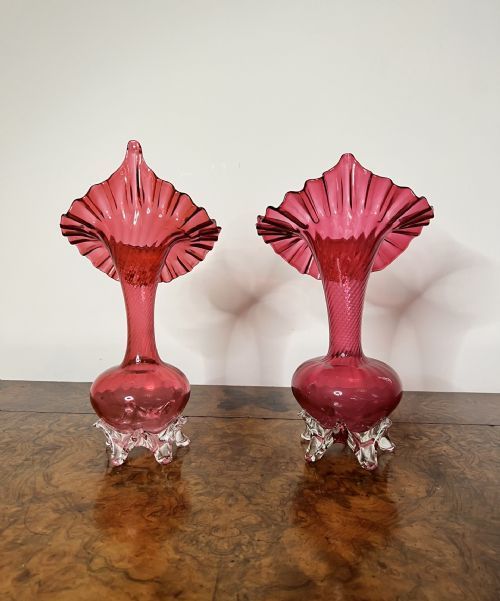
Cranberry art glass encompasses vibrant decorative items produced predominantly during the Victorian era and the early twentieth century. Buyers searching for cranberry art glass typically encounter distinctive vases, such as jack in the pulpit or trumpet forms, alongside specialised lighting and decorative bowls.
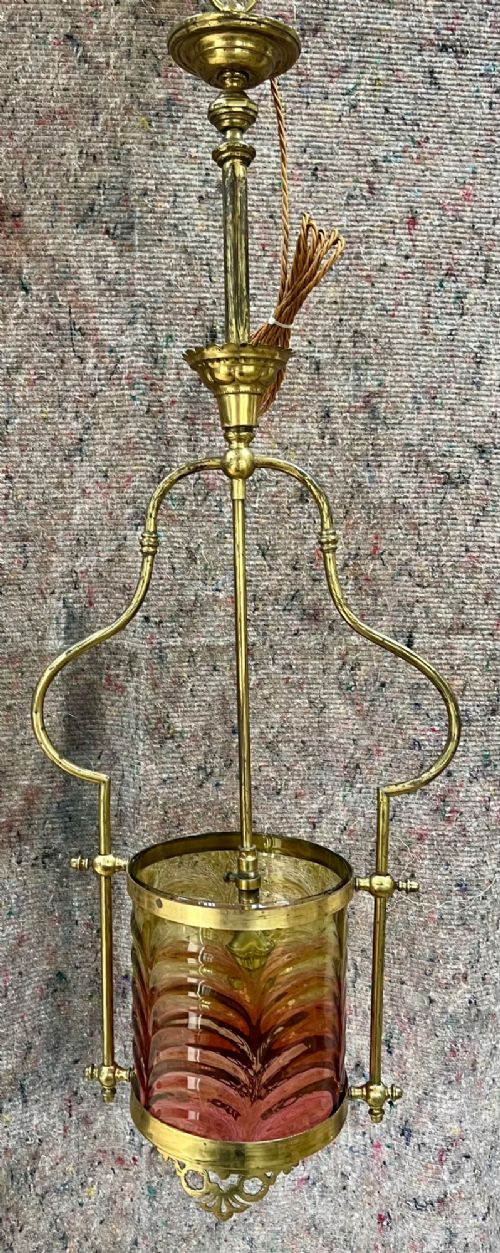
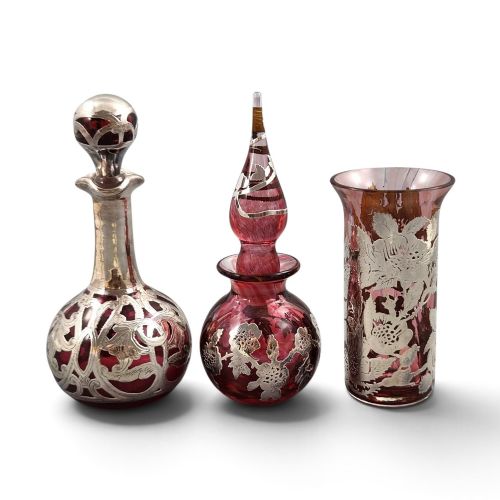
The material appears in varied contexts, ranging from standalone glassware collections to pieces mounted in brass or silver plate. Victorian and Edwardian makers frequently combined this rich glass with metalwork, creating items that served both decorative and functional roles in period interiors.
Objects span several design movements, notably Victorian, Art Nouveau, and Arts and Crafts aesthetics. Pieces reflect the technical ambition of glassmakers who utilised gold chloride to achieve the characteristic pink and red colouration.
Materials and production methods
Makers achieved the signature cranberry colour by introducing gold into the molten glass batch during production. This chemical process required precise temperature control to ensure an even distribution of colour throughout the material.
Glassware was frequently combined with structural elements in brass, sterling silver, or silver plate, particularly in lighting fixtures and vanity ensembles. Skilled artisans shaped the hot glass through free-blowing, moulding, or cameo carving before mounting it into metal frames.
Cranberry Art Glass Retail Price Guide 2026
Typical asking prices for cranberry art glass among the pieces listed under this phrase on Sellingantiques today, from the lower quarter to the upper quarter. They describe what is for sale here now, not the wider market.
Victorian glassmakers occasionally rolled hot glass over nails to shape rolling pins, creating charming domestic tokens from scrap material.
Assessing quality in pieces
Quality in cranberry art glass rests upon the depth and uniformity of the glass colour, as well as the crispness of any applied details or optic effects. Superior examples demonstrate a balanced hue without murky patches, showing the deliberate skill of the glasshouse.
The integration of secondary materials, such as heavy cast brass or sterling silver mounts, distinguishes finer decorative objects and lighting from standard production. Artisanal execution in shaped forms, like ruffled rims or cameo relief, separates master output from simpler wares.
Thomas Webb and Sons·Gorham·WMF
The Cranberry Art Glass Glossary
- Cranberry glass
- A transparent type of glass coloured with gold oxide, producing shades from pale pink to deep ruby. It gained popularity during the nineteenth century for tableware and decorative ornaments.
- Jack in the pulpit vase
- A nineteenth-century glass vase style featuring a wide, flared rim resembling a flower blossom. The form showcases the ductility of hot glass.
- Cameo glass
- A luxury technique involving layers of different coloured glass carved to create a raised relief design. Thomas Webb and Sons produced notable examples of this method.
- Brass mount
- Metalwork fitted to glassware to provide structural support or hanging mechanisms for lamps and bowls. It often incorporates period motifs from Art Nouveau or Arts and Crafts designs.
- Nailsea glass
- A type of glassware traditionally associated with a specific English production centre, known for looped or threaded patterns in contrasting colours. It frequently took domestic forms like rolling pins.
Cranberry Art Glass: Frequently Asked Questions
What is cranberry art glass?
Cranberry art glass is a translucent red or pink glass created by adding gold to the molten mixture. It was widely used for Victorian decorative objects and lighting.
The material is celebrated for its warm tone and versatility. Makers shaped it into delicate vases, bowls, and lamps often paired with brass or silver mounts.
How do I date cranberry glass?
Dating relies on stylistic clues, manufacturing techniques, and accompanying metalwork. Victorian pieces often feature ornate forms or silver plate, while later twentieth-century items show different baseline wear.
Examining the pontil mark on the base also helps establish age. Hand-blown pieces from the nineteenth century typically display a polished pontil scar rather than machine moulding.
How were these pieces used?
Original uses varied from domestic illumination to decorative display on mantelpieces and dressing tables. Hanging lights and wall sconces provided ambient lighting in period rooms.
Tableware and vanity ensembles served functional roles in affluent households. Vases were designed to display single blooms or structured floral arrangements.
How do I care for antique glass?
Antique glass requires gentle handling and cleaning with lukewarm water and mild soap. Avoid harsh chemical cleaners that might damage delicate surfaces or metal mounts.
Display pieces away from direct sunlight to preserve the colour stability. Secure proper installation for any hanging lights or wall fittings by using qualified electricians.