





Craftsman Occasional Table
A craftsman occasional table brings honest utility and sturdy timber to a room, offering the straightforward charm of the Arts and Crafts movement.
Craftsman Occasional Table
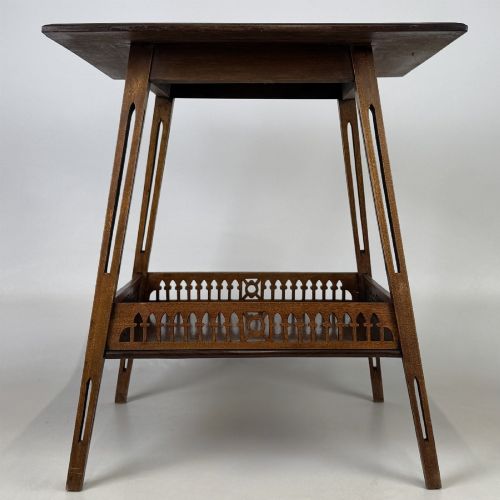
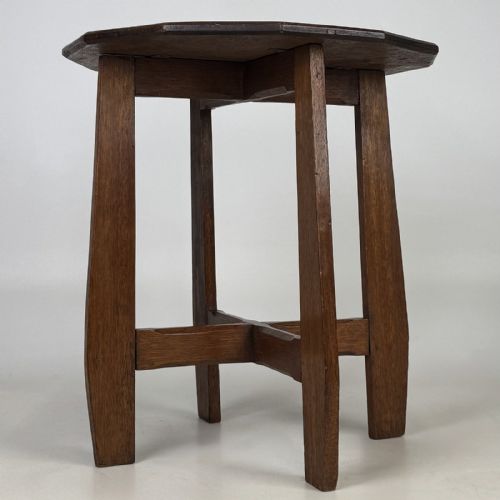
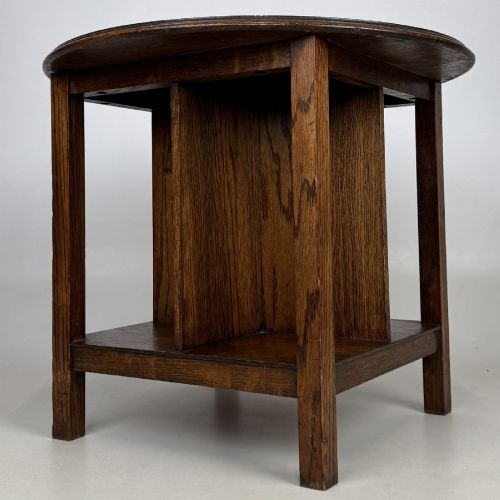
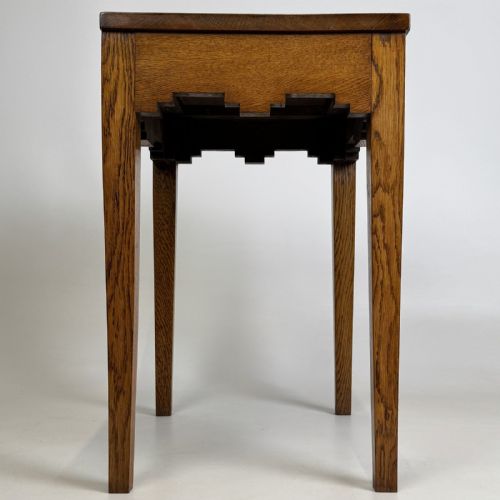
A craftsman occasional table embodies the practical spirit of the Arts and Crafts movement, serving as a versatile piece for daily household use. These items appear in various forms on this page, including side tables, lamp tables, plant stands, and occasional tables.
The selection ranges across the late nineteenth century, the Edwardian era, and into the early twentieth century. Buyers most frequently encounter sturdy oak pieces, often bearing the characteristic simplicity of design from this period.
How they were made
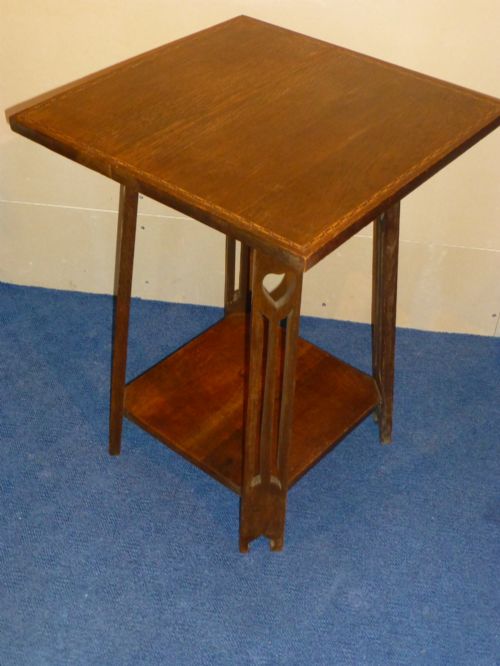
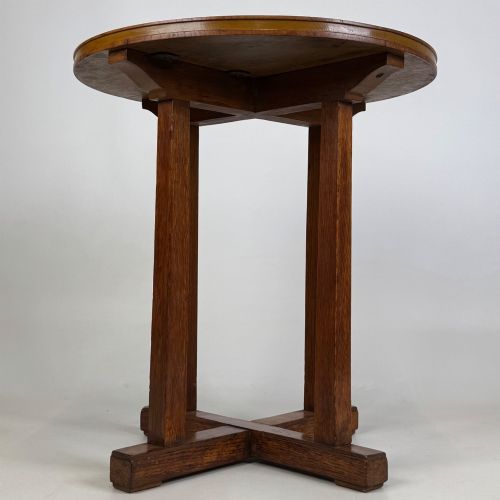
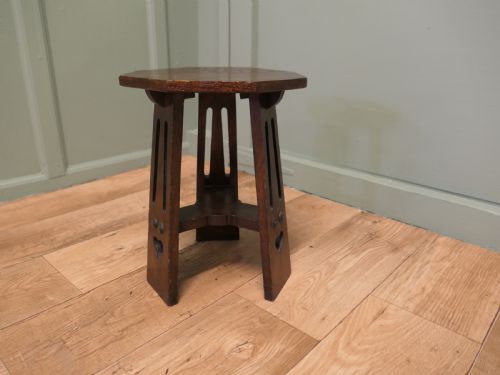
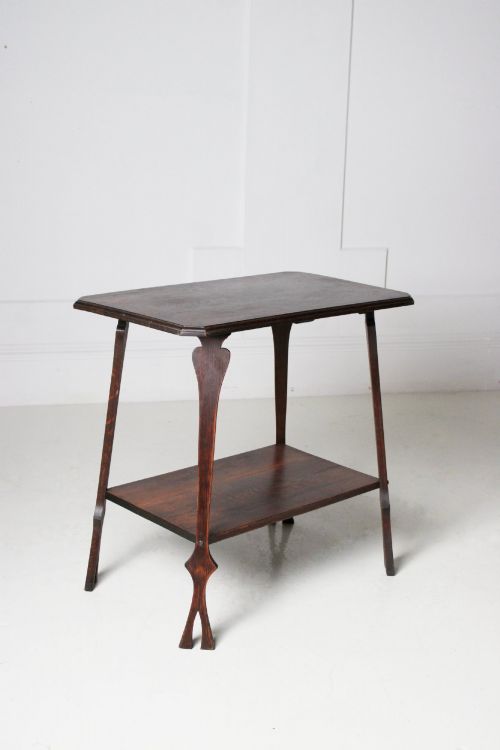
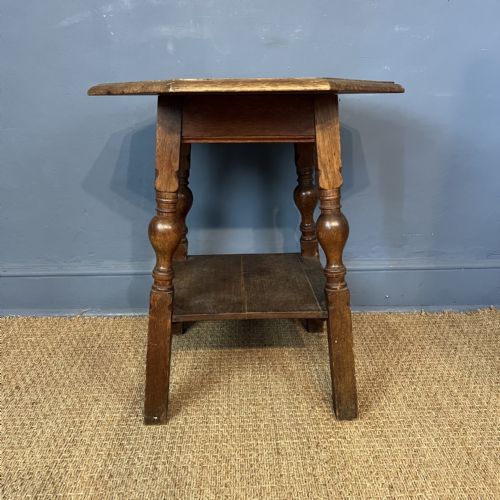
Makers relied primarily on oak as the principal timber, shaping tables with tapered legs, octagonal tops, or tiered structures. Construction prioritised visible durability and the natural grain of the wood over excessive ornamentation.
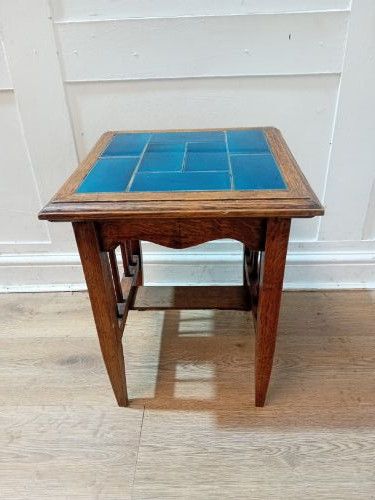
Detailing often included contrasting elements such as chequered wood inlay, ceramic tiles inset into the top, or copper components. These materials were chosen to highlight honest craftsmanship and functional beauty.
Craftsman Occasional Table Retail Price Guide 2026
Typical asking prices for craftsman occasional table among the pieces listed under this phrase on Sellingantiques today, from the lower quarter to the upper quarter. They describe what is for sale here now, not the wider market.
Some tables double as plant stands, proving that Victorian ferns deserved their own bespoke furniture just as much as afternoon tea.
What varies in quality
The distinction between standard workshop output and superior production lies in the thoughtfulness of construction and decorative restraint. Pieces attributed to notable makers demonstrate sharper joinery and more deliberate proportions.
Subtle additions like well-fitted tile tops, precise chequered inlay, or integrated copper elements elevate an item above a basic utilitarian form. The integrity of the timber and the balance of the silhouette ultimately determine the standing of the piece.
Liberty and Co.·William Birch·Baillie Scott
The Craftsman Occasional Table Glossary
- Arts and Crafts
- A design movement that championed handcraftsmanship, simple forms, and traditional materials over mass production. It heavily influenced furniture making from the late nineteenth century onwards.
- Occasional table
- A small, movable table designed for specific, intermittent tasks such as holding a lamp, a plant, or books. These versatile items fit easily into various corners of a room.
- Chequered inlay
- A decorative technique where small squares of contrasting wood are embedded flush into the surface of the primary timber. This creates a geometric pattern that breaks up the plain expanse of the top.
- Tile top
- A tabletop surface inset with glazed ceramic tiles, providing a heat-resistant and durable area often found on side tables from this period.
Craftsman Occasional Table: Frequently Asked Questions
What is a craftsman occasional table used for?
These tables provide convenient surfaces for daily items like lamps, plants, and books in living spaces or hallways. Their modest size allows them to sit easily beside chairs or in corners.
Historically, they supported the domestic activities of the home while reflecting the aesthetic values of the Arts and Crafts movement through honest timber construction.
How do I date an oak occasional table?
Dating relies on observing construction methods, material combinations, and the specific proportions typical of periods like the Edwardian era or the late nineteenth century. Details such as inset tiles or specific inlay patterns often point to a precise timeframe.
Comparing the simplicity of the lines and the treatment of the oak helps distinguish earlier examples from later twentieth-century productions.
Are these tables suitable for modern homes?
Their straightforward forms and robust timber construction allow them to integrate smoothly into contemporary interiors. They serve practical functions as side tables or plant stands while adding historical character.
The neutral tones of the oak and understated decorative details mean they complement a wide range of interior styles without dominating a room.
What materials are common in these designs?
Oak is the predominant timber used across the pieces, valued for its strength and distinctive grain pattern. Makers frequently enhanced the wood with ceramic tiles, wood inlay, or copper accents.
These supplementary materials provided functional resistance, such as heat-proof tile surfaces, alongside subtle decorative contrast.