




Country Style Armoire
A country style armoire brings generous storage and rustic charm to a room, uniting utility with regional character.
Country Style Armoire
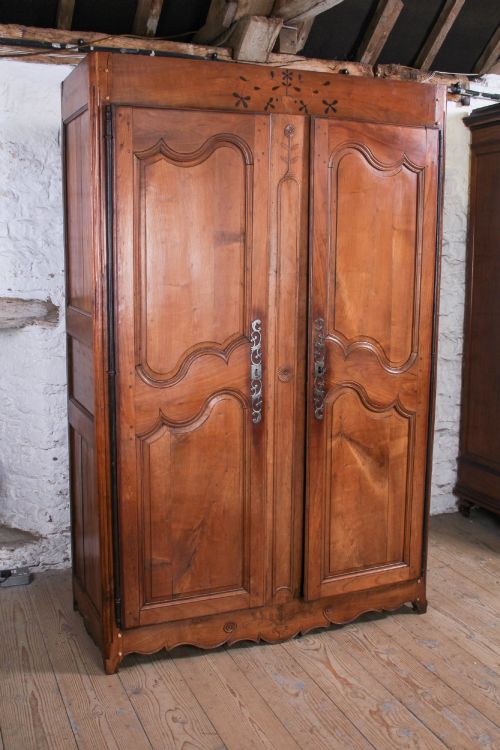
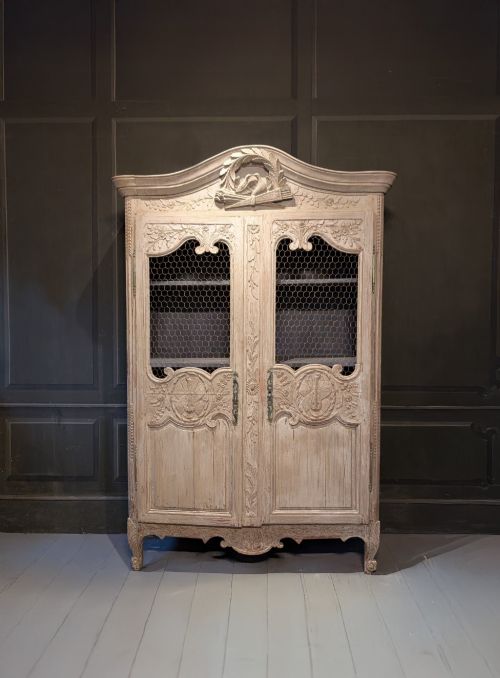
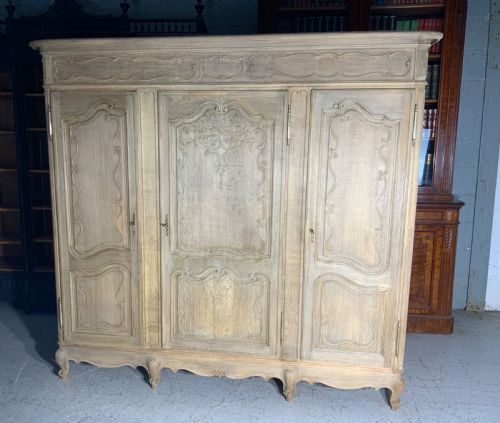
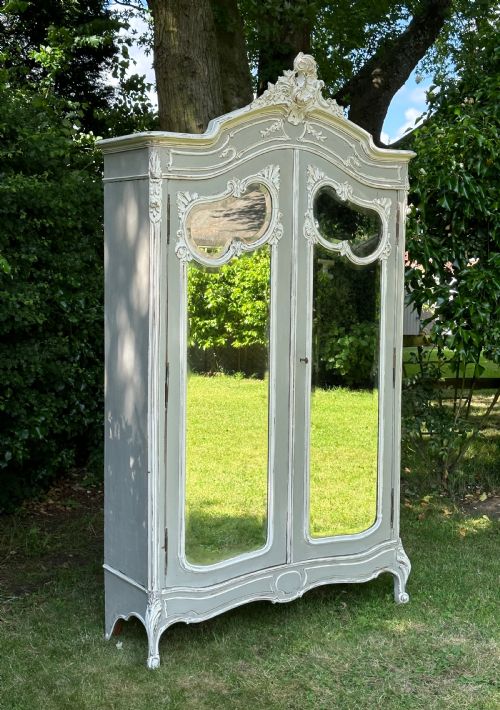
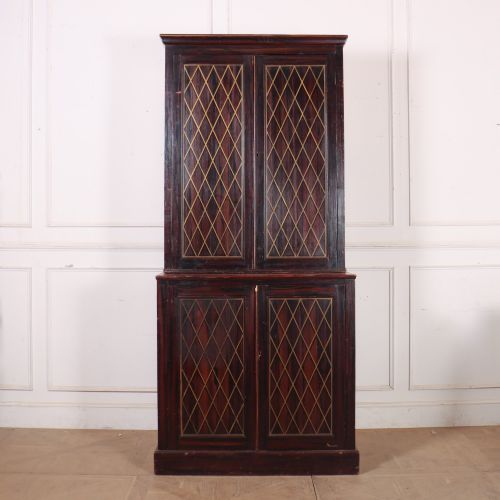
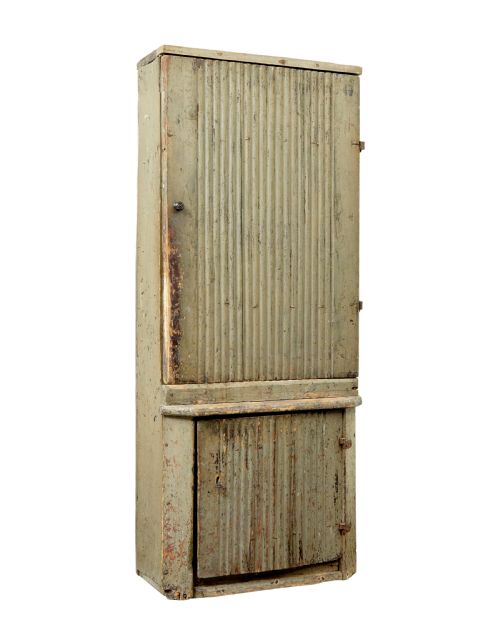
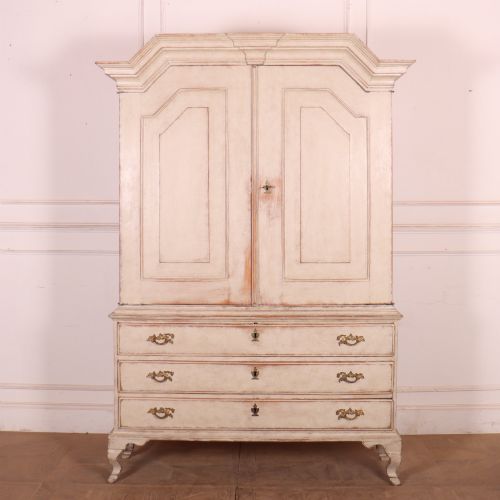
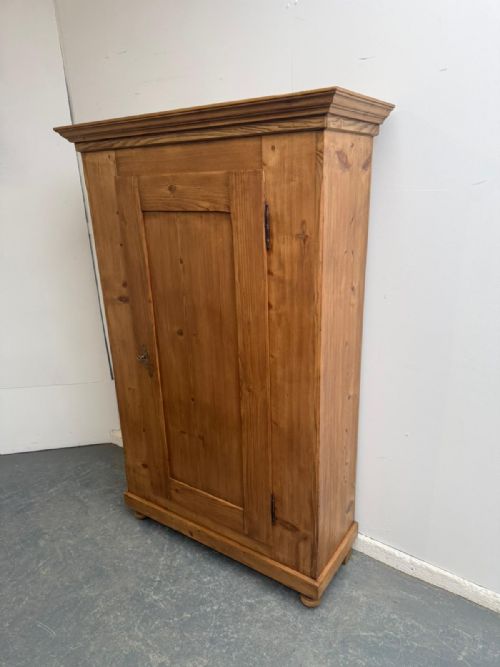
When you search for a country style armoire, you encounter robust storage pieces designed for domestic utility across different regions and centuries. These items include tall cupboards, wardrobes, linen presses, and double-bodied buffets created to house textiles and household goods. The selection spans French Provincial, Scandinavian Country, Gustavian, English Country, and Rustic Farmhouse styles.
The most common examples on this page are pine and painted wood cupboards originating from 18th century and 19th century workshops. You will also find walnut, oak, and mahogany variants reflecting Georgian and Victorian periods, alongside specific regional forms such as Swedish linen cupboards and French chateau armoires.
How they were made
Construction relies heavily on solid timbers such as pine, oak, walnut, and mahogany, shaped by regional joiners using traditional methods. Surfaces are frequently finished with paint, wax, or bleach to achieve the characteristic rural aesthetic.
Hardware elements like iron and brass provide structural hinges, escutcheons, and locks, while glass panels appear in glazed door variants. Joinery techniques reflect the period of origin, from early pegged joints in 18th century pieces to later Victorian framing.
Country Style Armoire Retail Price Guide 2026
Typical asking prices for country style armoire among the pieces listed under this phrase on Sellingantiques today, from the lower quarter to the upper quarter. They describe what is for sale here now, not the wider market.
Listings feature pine, oak, walnut, and mahogany materials across 18th century, 19th century, and Victorian periods.
What varies in quality
The distinction between pieces often rests on the integrity of the original timber and the authenticity of the surface finish. Retained original paint or period wax surfaces hold greater architectural and historical interest than later overpainting.
Proportion and decorative restraint define the finer examples, where carved details or iron mounts integrate harmoniously with the primary structure rather than appearing heavy-handed.
The Country Style Armoire Glossary
- Armoire
- A large wardrobe or cupboard, typically featuring double doors, used historically for storing garments and linens. French regional examples often display distinct provincial carvings.
- Linen Press
- A tall storage cabinet designed with upper shelving for folded textiles and lower drawers for smaller items. English and Scandinavian versions frequently utilise pine or oak.
- Buffet Deux Corps
- A substantial two-tier cupboard consisting of a smaller upper cabinet resting on a deeper lower base. This form provides immense vertical storage capacity.
- Gustavian
- A Swedish neoclassical design style characterised by pale painted finishes, restrained carving, and lighter proportions. It emerged during the late 18th century under French influence.
Country Style Armoire: Frequently Asked Questions
What is a country style armoire?
A country style armoire is a large freestanding storage cabinet originating from rural European traditions, built primarily to hold clothes and household linens.
These pieces utilise local timbers like pine, oak, and walnut, often finished with painted surfaces or natural wax rather than elaborate urban polishes.
How do I use an armoire today?
An armoire functions exceptionally well in a bedroom as a wardrobe for hanging garments or storing folded items on internal shelves.
Beyond the bedroom, these large cupboards serve as living room media cabinets, dining room linen stores, or hallway storage for coats and boots.
How do I tell an 18th century piece from a 19th century one?
Dating relies on examining the construction methods, joinery marks, and the wear patterns on the timber and hardware. Earlier 18th century examples frequently display hand-planed surfaces and pegged joints, whilst later 19th century pieces incorporate machine-sawn elements and different hinge types.
Surface finishes also provide clues, as original 18th century paint layers age differently compared to Victorian or late 19th century painted decoration.
Are these pieces made of solid wood?
Most items listed are constructed from solid timbers such as pine, oak, walnut, or mahogany, depending on the regional tradition. Joiners selected these woods for local availability and structural strength.
Secondary woods may appear in internal drawer linings and backboards, which is standard practice for period cabinetry.