


Country House Upholstery
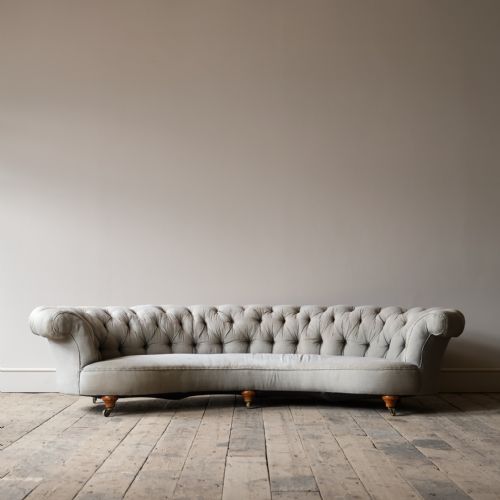
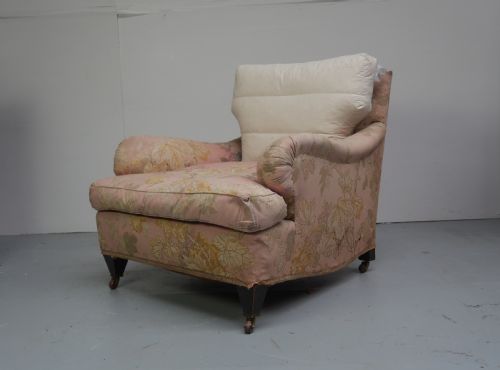
Country house upholstery brings deep-seated comfort and enduring character to a room through traditional armchairs, sofas, and footstools.
Materials and Construction
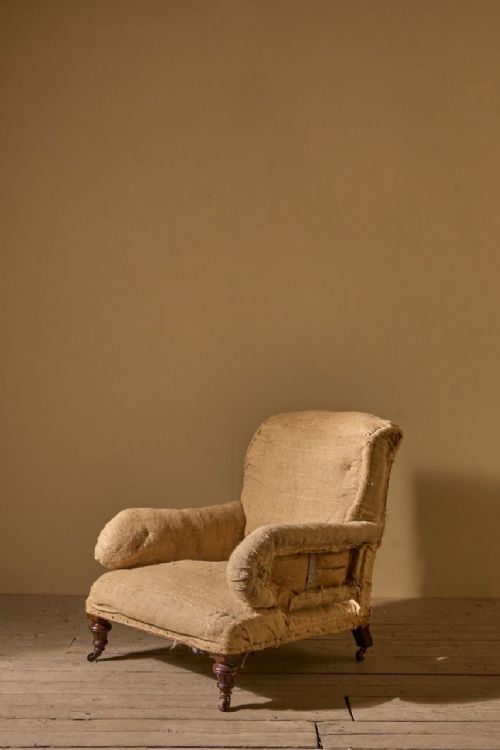
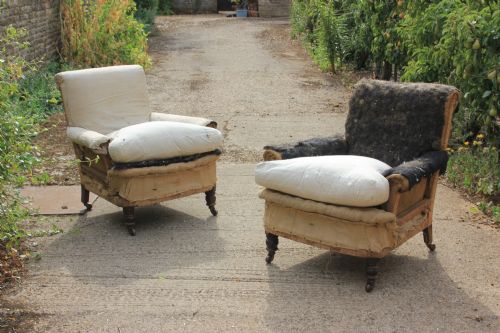
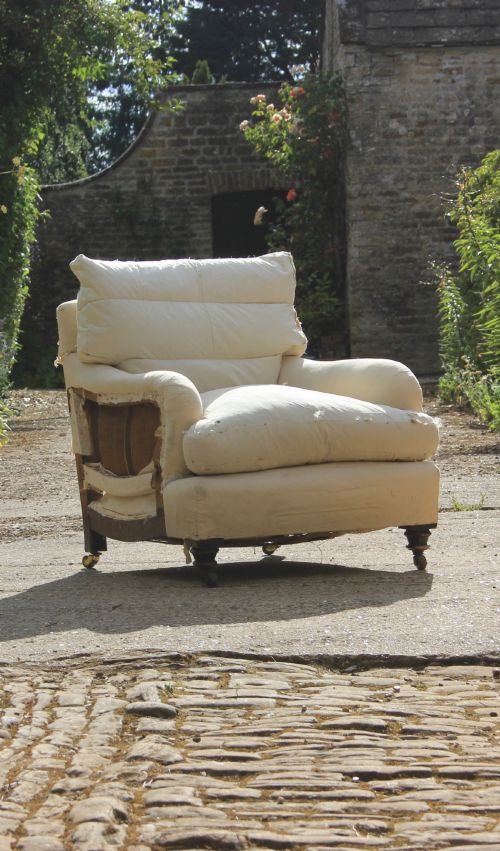
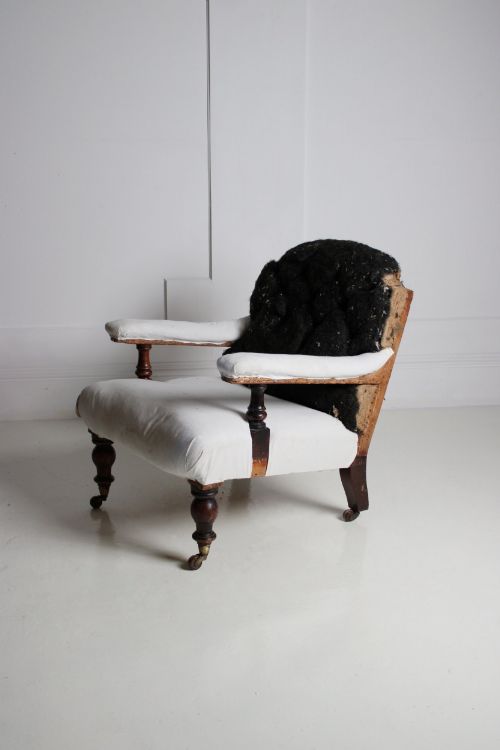
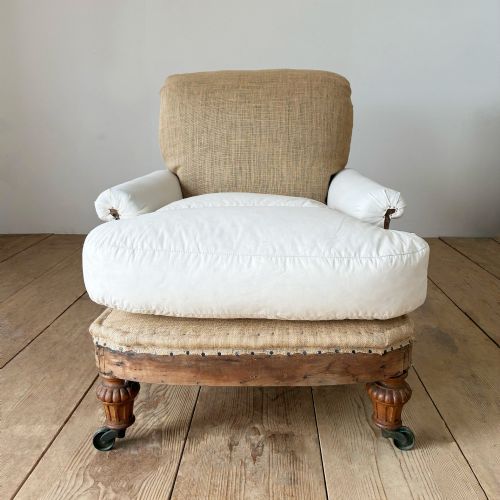
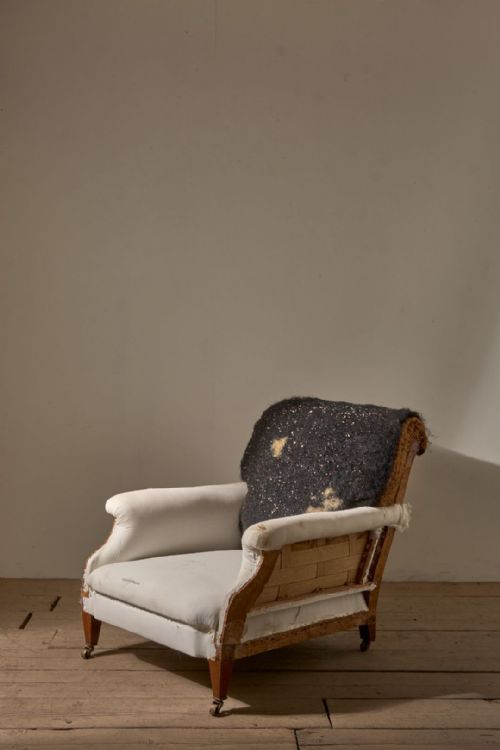
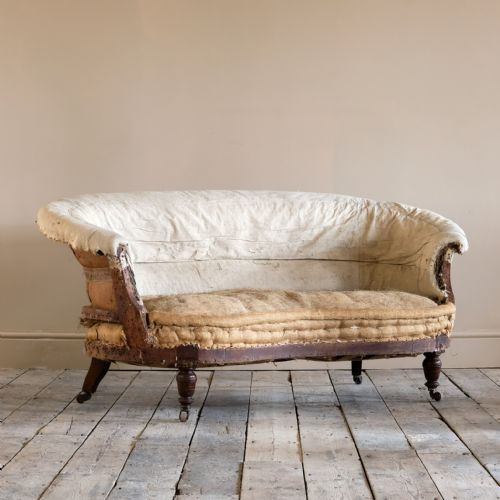
Makers built the foundational frames of these pieces using sturdy timbers including mahogany, walnut, and hardwood, paired with visible elements like simulated rosewood and brass fittings. Traditional upholstery methods relied on internal materials such as horsehair and hessian to create resilient, supportive cushioning before applying outer layers of fabric or ticking.
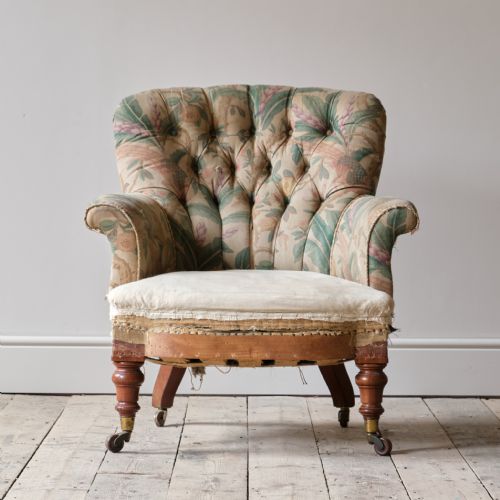
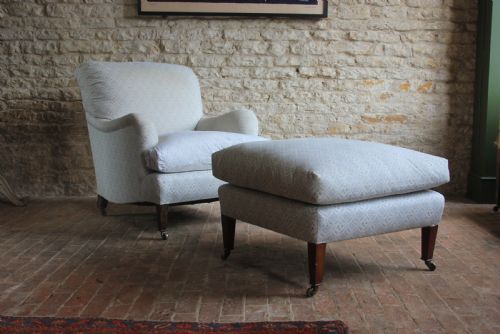
Outer coverings ranged from durable calico and linen ticking to patterned fabrics and kilims. Frames often integrated carved wooden elements or turned legs to support the heavy interior padding and deep seating structures.
Assessing Quality and Build
Quality in these pieces rests upon the integrity of the hardwood or walnut frame and the substantial nature of the proportions. Superior examples maintain rigid, heavy frames that support deep seating without structural compromise over decades of use.
The grade of internal stuffing and the execution of traditional upholstery techniques also distinguish finer pieces. Original materials like horsehair and sound webbing indicate a higher standard of original craftsmanship compared to later alterations.
Materials recorded across the inventory include brass, horsehair, mahogany, walnut, hessian, and ticking.
Howard & Sons·Gillows·Hampton & Sons·Hallett & Sons
The Country House Upholstery Glossary
- Horsehair
- A traditional stuffing material utilised in antique upholstery for its resilience and ability to hold shape within deep seats and armchairs.
- Hessian
- A coarse woven fabric, typically made from jute fibres, employed as internal support and foundation material beneath top upholstery layers.
- Knole sofa
- A historic settee design characterised by high adjustable arms and exposed wooden framing, frequently referenced in country house interiors.
- Calico
- A plain-woven cotton fabric commonly applied as a base upholstery layer before the final decorative textile is fitted.
Country House Upholstery: Frequently Asked Questions
What defines country house upholstery style?
These pieces focus primarily on deep seats, generous proportions, and relaxed comfort suited for domestic living spaces. They combine sturdy timber frames with traditional stuffing methods.
Design influences range from nineteenth-century Victorian and Edwardian forms to earlier George III and Regency periods, creating an eclectic yet traditional aesthetic.
How do I choose between antique ticking and new fabric?
Original ticking and calico coverings preserve the historical character of the piece and show authentic age. Many buyers prefer retaining these surface textures where condition permits.
Alternatively, pieces listed for reupholstery allow owners to apply custom textiles, kilims, or patterned fabrics to match their interior design schemes.
Are these sofas and armchairs comfortable for daily use?
The deep seats and substantial internal padding of these armchairs and sofas were engineered specifically for long periods of relaxation. Traditional horsehair stuffing provides firm yet yielding support.
Their robust hardwood frames ensure the seating structures withstand regular domestic use while maintaining their supportive qualities.
How do I identify a Victorian piece from an Edwardian one?
Victorian examples often display heavier walnut or mahogany frames with formal design cues dating from the mid to late nineteenth century. Edwardian pieces tend toward relaxed, deep-seated proportions with softer profiles.
Examining internal materials like hessian and webbing alongside framing styles helps clarify the manufacturing period.