

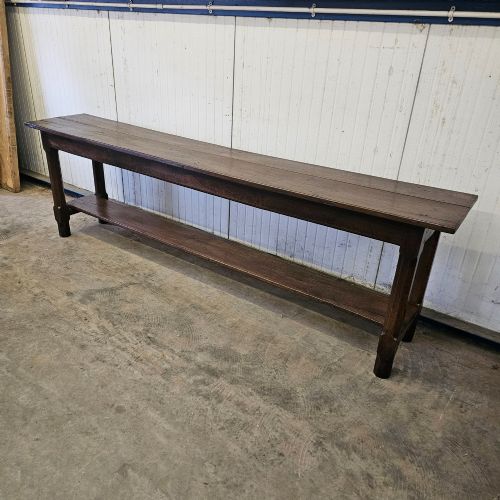
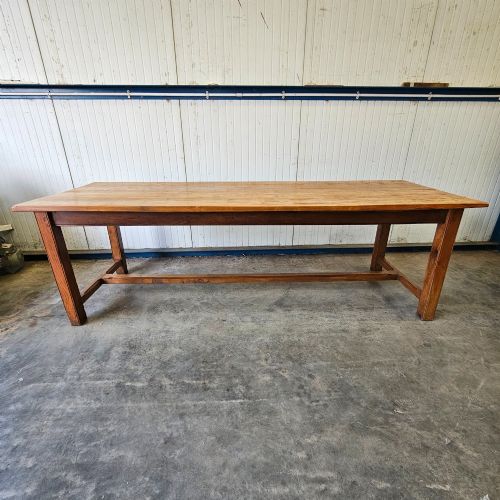
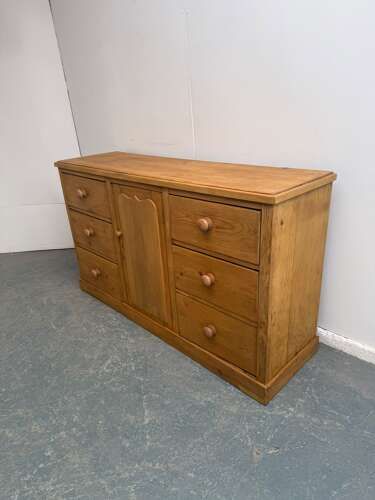

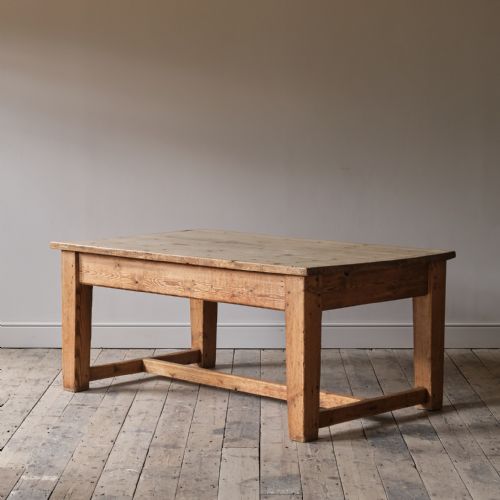
Country Farmhouse Base
A country farmhouse base provides the honest, utilitarian foundation for a busy kitchen or dining room.
Country Farmhouse Base
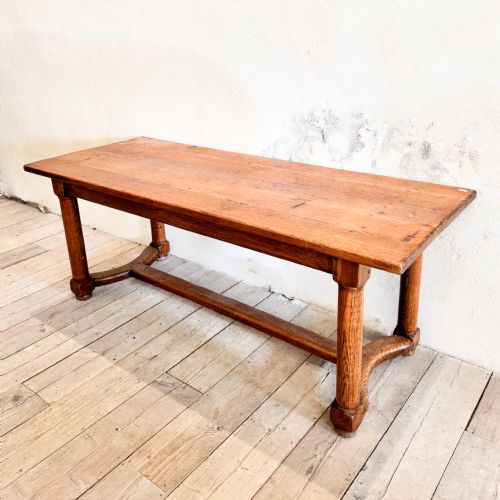
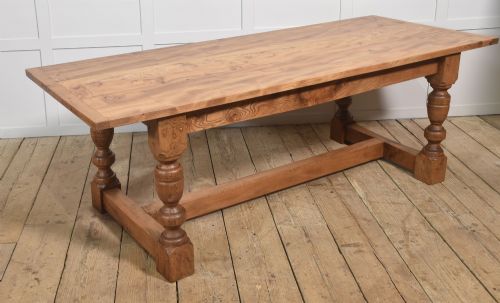
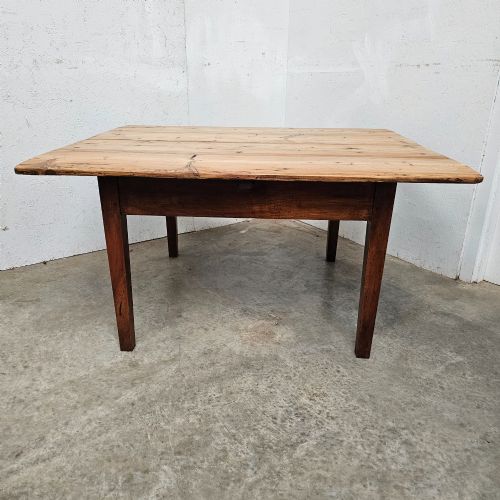
A country farmhouse base covers sturdy work tables, dresser bases, and serving tables designed for daily domestic utility. These pieces originate across the eighteenth, nineteenth, and early twentieth centuries, reflecting both English and French country traditions.
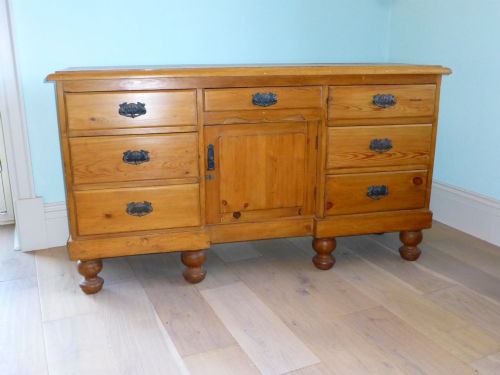
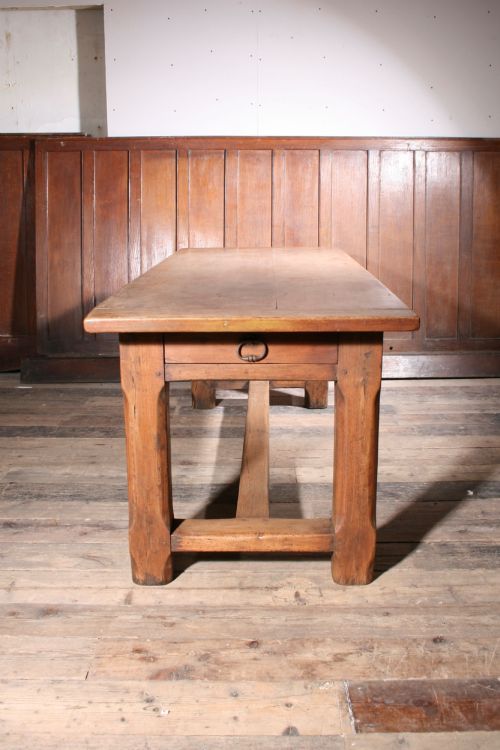
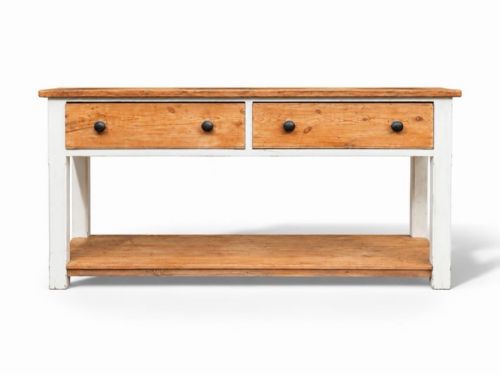
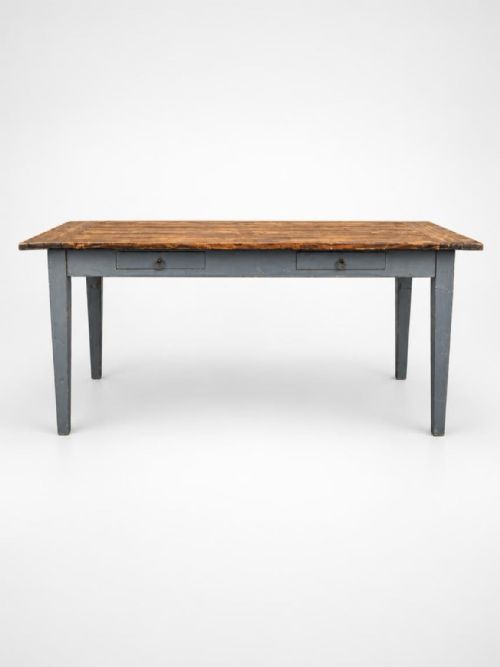
The selections on this page lean heavily toward robust pine and oak dining or kitchen tables, alongside practical storage units like potboard dresser bases. Buyers searching for a country farmhouse base will encounter scrub-top tables, heavy planked tops, and multi-drawer storage pieces shaped by decades of functional use.
Materials and construction methods
Makers relied on durable native timbers such as pine, oak, elm, chestnut, and fruitwood to withstand heavy daily labour. Tops were frequently fashioned from thick planks of oak or scrubbed pine, joined simply and solidly to support substantial weight.
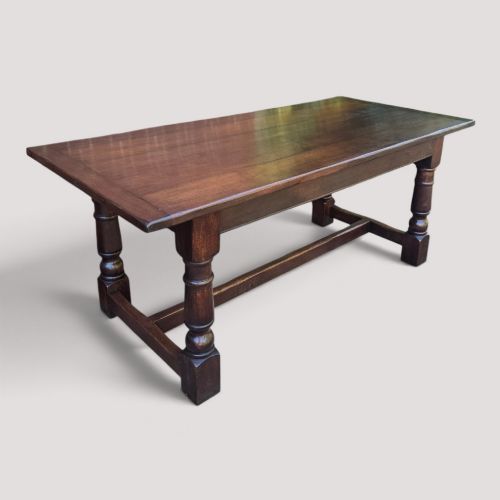
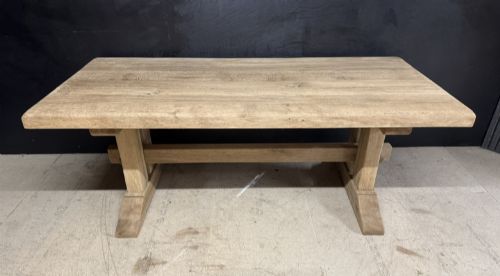
Surfaces show the physical record of their history through wax finishes, turned legs, and occasionally layers of original paint or bleached treatments. Construction prioritised utility, utilising sturdy stretchers, potboards, and deep drawers for practical kitchen storage.
Country Farmhouse Base Retail Price Guide 2026
Typical asking prices for country farmhouse base among the pieces listed under this phrase on Sellingantiques today, from the lower quarter to the upper quarter. They describe what is for sale here now, not the wider market.
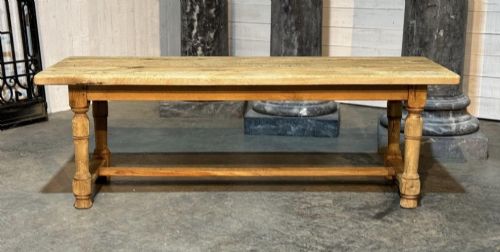
Forms range from refectory dining tables and scrub-top pantry surfaces to potboard dresser bases and multi-drawer kitchen cupboards.
Distinctions in construction and character
Quality rests in the integrity of the timber and the honesty of the surface wear rather than smooth perfection. Pieces featuring thick, well-figured oak planks or original untouched paint finishes stand apart from lesser examples.
Proportion and scale dictate the success of the piece, particularly in larger dining tables and monumental dresser bases. Structural soundness in the legs and stretchers ensures the piece handles daily use without losing its original stance.
The Country Farmhouse Base Glossary
- Potboard
- A lower shelf fitted beneath a table or dresser base, traditionally used for storing pots and pans. This open tier adds structural stability to the legs.
- Scrub-top
- A wooden tabletop designed to be scrubbed clean with water and sand after food preparation. This process leaves the grain raised and pale over time.
- Refectory table
- A long, narrow dining table originally built for communal dining halls. These examples feature robust wooden legs united by low stretchers.
- Dresser base
- A low cabinet or sideboard featuring drawers and sometimes a lower shelf. It served as a primary preparation and storage station in rural kitchens.
- Drop leaf
- A table design featuring hinged flaps that fold down to save space. This mechanism allows the surface area to expand when needed.
Country Farmhouse Base: Frequently Asked Questions
How do I use a farmhouse table daily?
These tables are built for heavy everyday use as dining surfaces or kitchen prep areas. Their robust timber construction absorbs the knocks of daily family life without issue.
Treat the surface with simple oils or waxes depending on the finish. A scrubbed top handles moisture and heat well, while waxed pine benefits from gentle cleaning.
What is a potboard base?
A potboard base incorporates a low slatted shelf near the floor between the table legs. This platform kept heavy cookware off damp stone kitchen floors.
Today, this lower tier provides practical open storage for baskets, large platters, or books. It also braces the legs firmly against lateral movement.
How do I date an old pine table?
Dating relies on examining construction marks, timber selection, and overall wear patterns. Hand-sawn boards and older joinery methods point toward eighteenth or nineteenth-century origins.
Surfaces that display accumulation of old wax or layered historical paint provide further clues to age. Comparison with dated pieces helps narrow down the decade.
Are scrub tops difficult to clean?
Scrub tops are made from unsealed timber meant to be washed vigorously with water and soap. The pale, weathered grain resists normal stains remarkably well due to repeated historical washing.
Spills should be wiped promptly, but minor marks simply add to the character of the wood. Regular light scrubbing maintains the dry, clean texture of the pine or fruitwood.