




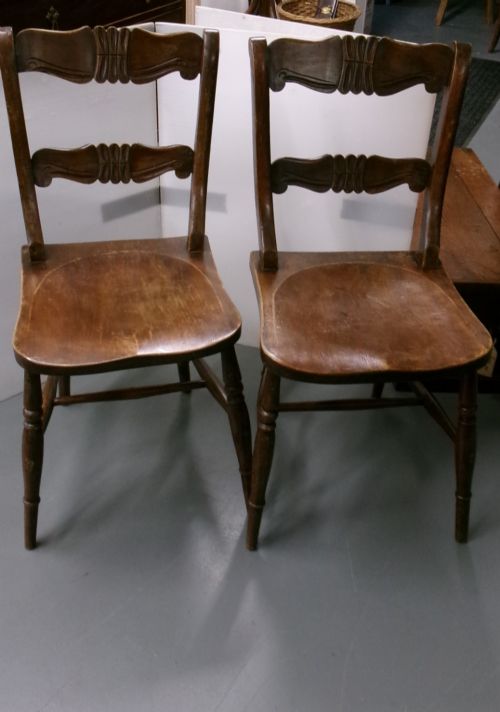
Cottage Kitchen Dining Chairs
Cottage kitchen dining chairs are robust domestic seats built from local woods to withstand daily family life.
Cottage Kitchen Dining Chairs
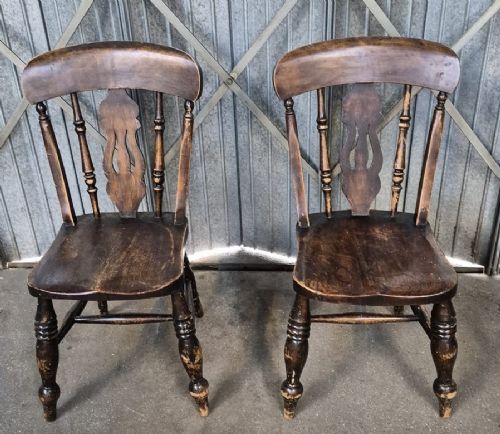
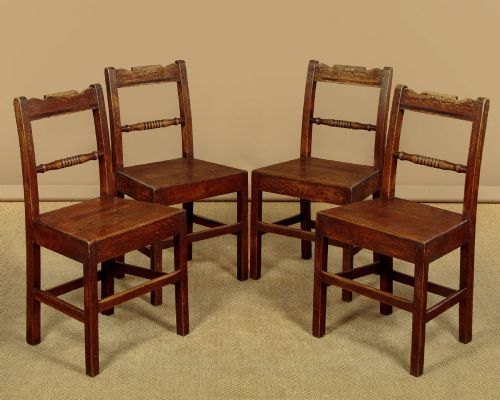
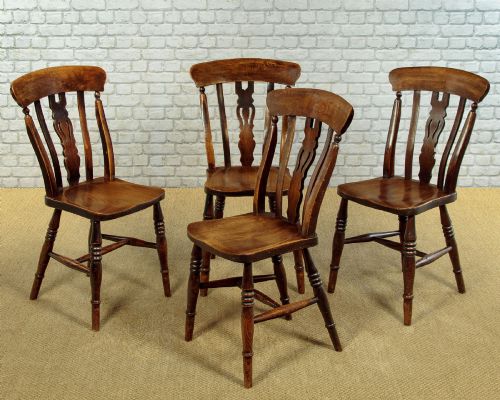
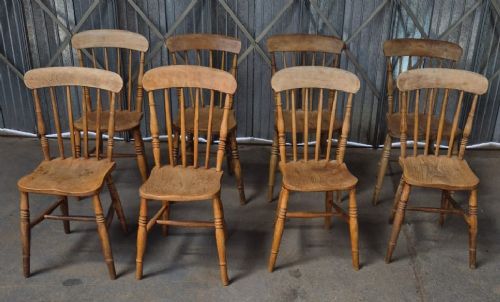
When you search for cottage kitchen dining chairs, you encounter sturdy timber seating originating from the nineteenth and early twentieth centuries. These pieces reflect regional vernacular traditions, often constructed in sets that range from pairs up to large groupings of ten or twenty-two.
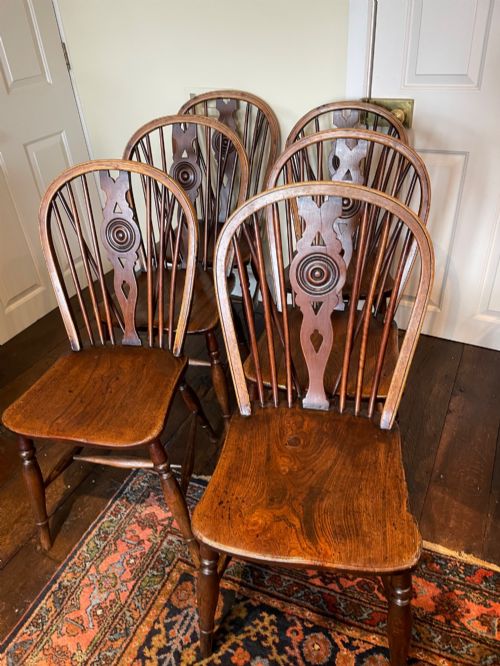
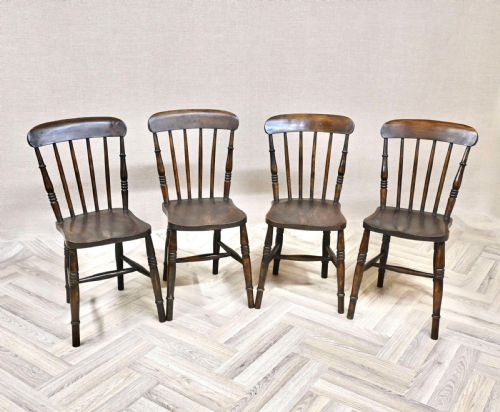
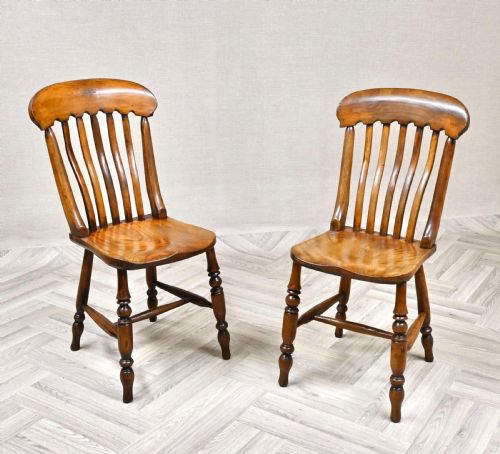
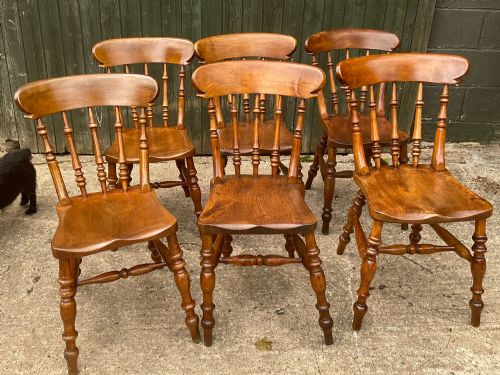
The version you are most likely to meet on this page is the nineteenth-century Windsor or stick-back form, typically combining elm seats with ash or beech framing. Such chairs served practical functions in farmhouse and cottage interiors before transitioning into decorative dining spaces.
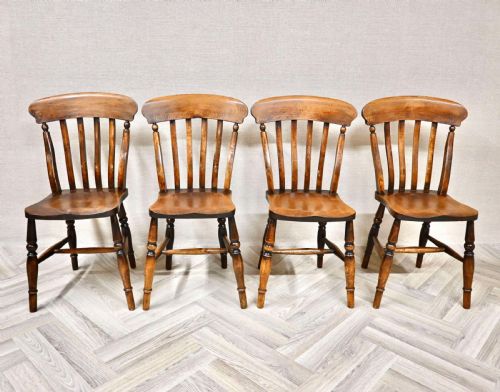
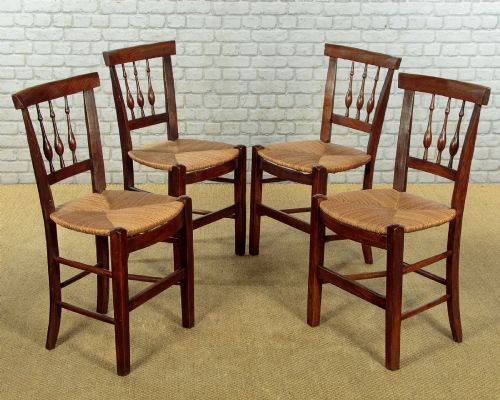
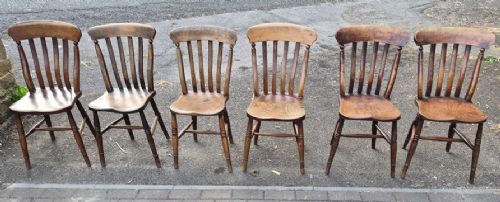
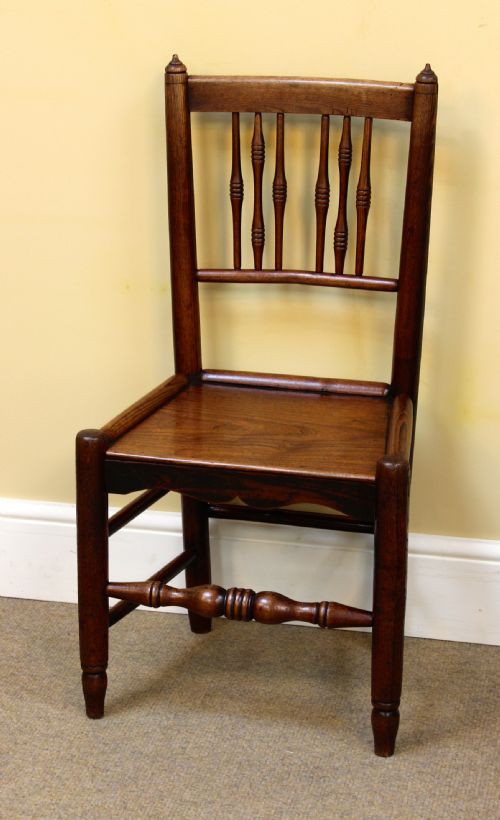
The selection encompasses wheel-back, lath-back, ladder-back, and spindle-back designs, spanning Victorian and Georgian provincial periods. Harlequin and matched sets demonstrate how older kitchens accumulated functional seating over decades of use.
Materials and construction
Constructed using traditional green woodworking techniques, these seats combine multiple timber species selected for specific structural roles. Elm provides a tough, non-splitting plank for the solid wooden seat, while flexible ash and beech form bentwood hoops, spindles, and legs.
Joinery relies on wedged through-tenons and pegning, securing turned legs and spindles directly into the bored underside of the thick elm seat. Rush seating also appears on specific regional ladder-back and spindle-back formats, woven directly onto wooden frames.
Cottage Kitchen Dining Chairs Retail Price Guide 2026
Typical asking prices for cottage kitchen dining chairs among the pieces listed under this phrase on Sellingantiques today, from the lower quarter to the upper quarter. They describe what is for sale here now, not the wider market.
Listings feature timbers including elm, beech, ash, oak, pine, and rush across the Georgian and Victorian periods.
Evaluating the seating
Quality in these vernacular seats rests upon timber selection and the integrity of the original joints. Thicker, well-figured elm seat slabs paired with slender, cleanly turned ash spindles demonstrate superior craftsmanship by regional makers.
Original matching sets command greater interest than assembled harlequin groups, though unified timber patination across mixed chairs holds its own appeal. The degree of wear upon the footings and the survival of the original surface finish dictate the enduring character of each piece.
Worksop Allsop
The Cottage Kitchen Dining Chairs Glossary
- Windsor
- A chair constructed with a solid wooden seat into which the legs and back spindles are separately inserted. This style originates from regional English woodworking traditions.
- Lath-back
- A Windsor variant featuring a horizontal wooden slat or lath across the upper backrest. This design offers robust support for daily kitchen use.
- Harlequin set
- A collection of chairs that share a similar style, period, or region but were not originally manufactured as a single unified group. These sets formed over time through domestic acquisition.
- Scumbled
- A paint finishing technique used to imitate the grain of more expensive hardwoods over a softer base timber. This surface treatment appears on nineteenth-century utility seating.
Cottage Kitchen Dining Chairs: Frequently Asked Questions
How do I clean wooden seats?
Wipe surfaces gently with a damp cloth and mild soap, avoiding harsh chemical cleaners that strip historical finishes.
Apply a traditional beeswax polish occasionally to nourish dry timber and maintain a soft sheen.
Are rush seats durable?
Natural rush seating withstands normal daily dining use when kept dry and away from excessive humidity.
Avoid kneeling on the woven surface or placing heavy point loads upon individual rush strands.
What defines a stick back?
A stick-back chair uses simple turned wooden uprights fitted between the seat and a bentwood top rail. This construction method forms a light yet rigid frame.
Victorian makers produced these variants extensively in the Thames Valley region.
Can I mix different chair styles?
Mixing regional chair designs creates an authentic harlequin arrangement reminiscent of historic cottage interiors.
Keep seat heights and overall proportions similar to ensure comfortable dining alignment around the table.