



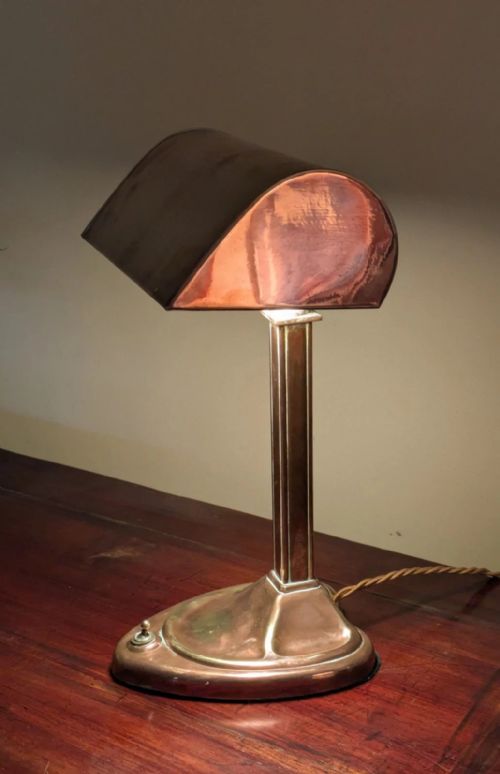


Copper Table Light
A copper table light brings warmth to a room through beaten metal and rich patination, spanning styles from Arts and Crafts to Art Deco.
Copper Table Light
A copper table light is an illuminating fixture designed for domestic use, utilising copper as its primary or substantial metal component. When searching for a copper table light, buyers encounter various forms including desk lamps, oil lamps, and candlesticks originating from periods such as the nineteenth century through the Art Deco era.
The pieces listed here showcase diverse aesthetic movements, including Arts and Crafts, Secessionist, and Amsterdam School designs. Many incorporate complementary materials like brass or opaline glass to soften the light and enhance the metalwork.
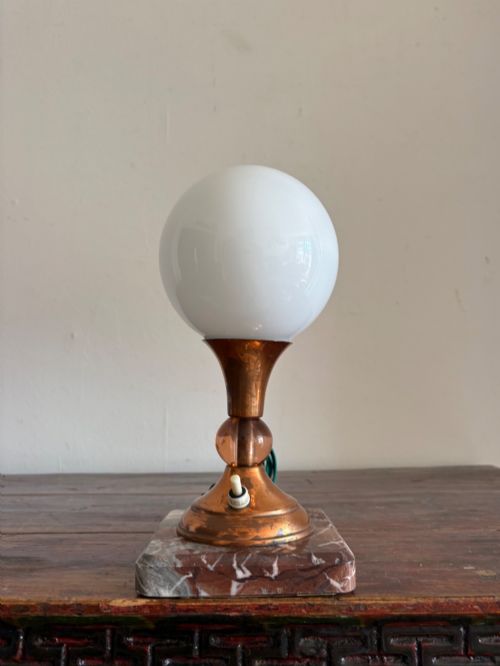
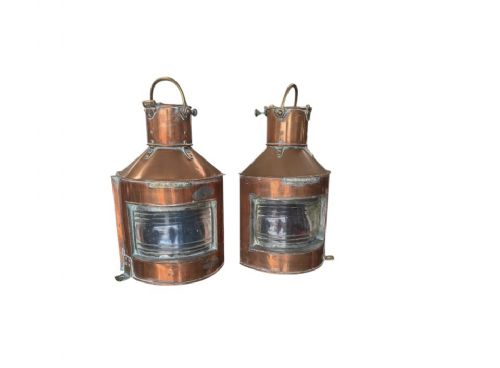
Examples range from utilitarian ship lanterns and adjustable desk lights to decorative French pieces featuring marble bases or classical motifs. Each version reflects the manufacturing methods and stylistic preferences of its specific decade, from eighteen fifty to nineteen forty.
How they were made
Makers constructed these pieces using sheet copper, brass, and cast metal, often employing hand-beaten techniques characteristic of the Arts and Crafts movement. Metal components were joined through soldering or riveting, while heavier bases utilised marble or weighted brass to ensure stability.
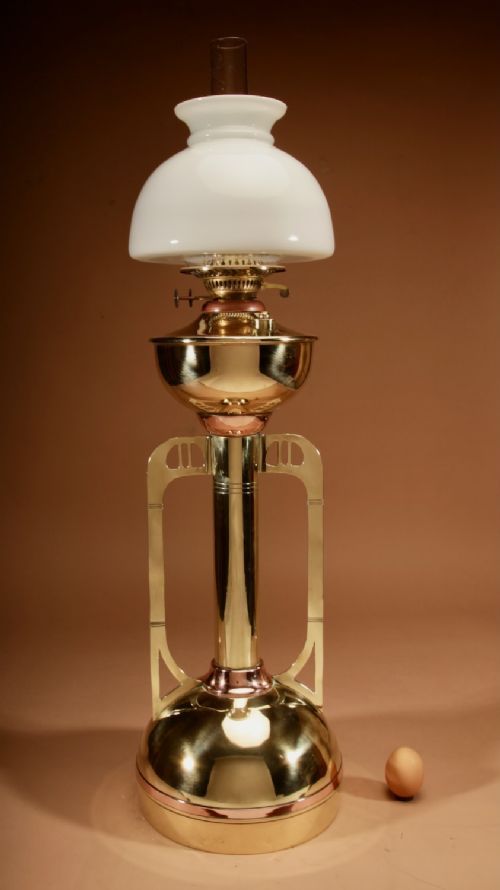
Lighting mechanisms varied according to period, transitioning from early paraffin and oil burners to electric fittings in later twentieth-century pieces. Shades were frequently formed from opaline or vaseline glass, shaped to diffuse the light cast by the metal body.
Copper Table Light Retail Price Guide 2026
Typical asking prices for copper table light among the pieces listed under this phrase on Sellingantiques today, from the lower quarter to the upper quarter. They describe what is for sale here now, not the wider market.
The listings span from the Georgian period through to nineteen forty, incorporating brass, marble, and opaline glass alongside copper.
What varies in quality
Quality in these pieces depends upon the integrity of the metalwork, the weight of the base materials, and the originality of components such as glass shades. Hand-beaten surfaces executed with precision display a higher standard of craftsmanship than mass-produced alternatives.
The refinement of design details, such as integrated adjustability, patination, and maker-attributed construction, separates standard utilitarian lighting from superior examples of period design.
Alderson and Gyde Ltd·Gustave Serrurier Bovy·Jan Eisenlöffel·W M F
The Copper Table Light Glossary
- Opaline glass
- A milky, translucent glass often used for lamp shades to diffuse light softly. It appears in various tones across French and English lighting of the period.
- Arts and Crafts
- A design movement valuing hand craftsmanship and traditional materials over industrial mass production. Copper was a favoured medium for its malleability and warm tone.
- Old Sheffield Plate
- A method of fusing a thin layer of silver to a thicker copper base, common in Georgian and Victorian candlesticks. This technique creates durable tableware and lighting with genuine silver content.
- Amsterdam School
- An architectural and design style originating in the early twentieth century, noted for expressive forms and rich texturing in metalwork. Pieces from this movement often combine copper with contrasting brass elements.
- Secessionist
- A Central European stylistic movement running parallel to Art Nouveau, favouring geometric abstraction and clean lines. Secessionist copper lighting frequently exhibits restrained ornamentation.
Copper Table Light: Frequently Asked Questions
How do I clean a copper table light?
Maintenance depends on the existing patination and whether the surface is sealed with a lacquer. Gentle dusting with a soft cloth preserves the historic finish.
Avoid abrasive metal polishes unless the metal is bare and modern cleaning is specifically desired, as harsh chemicals remove authentic aged surfaces.
Are these lamps wired for modern use?
Many antique and vintage lamps have been rewired at various points in their history to meet modern electrical standards. Buyers should inspect the flex and plug upon acquisition.
It is common practice to have older lighting checked by a qualified electrician before connecting it to a mains supply in the home.
What is the difference between an oil lamp and a table lamp?
Oil lamps were originally designed to burn paraffin or vegetable oil using a wick housed in a brass burner mechanism. Many of these have subsequently been converted to electricity.
Standard table lamps were manufactured specifically for electrical components, though both forms serve similar functional and decorative roles on a desk or side table.