




Coopered Log Bucket
These coopered log bucket pieces are robust vessels built to hold fuel by the hearth, combining sturdy staves with metal bands for daily utility.
Coopered Log Bucket
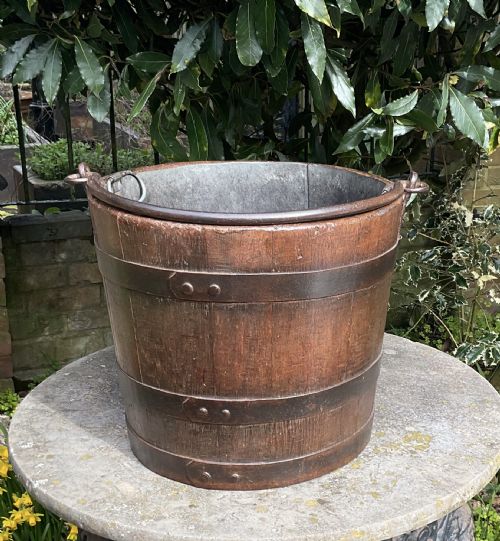
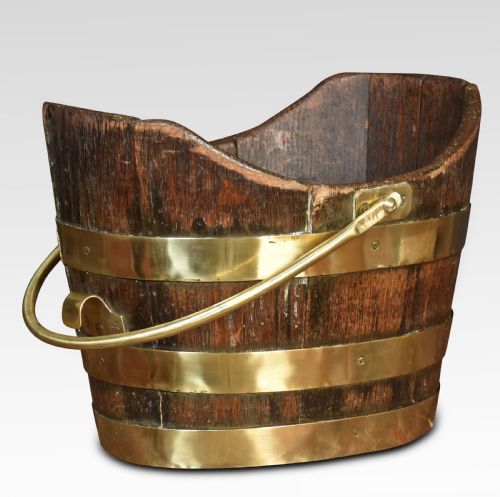
A coopered log bucket is a vessel constructed from vertical wooden staves bound tightly together by metal hoops, traditionally used beside the hearth for holding fuel such as logs, peat, or coal. When searching for a coopered log bucket, you encounter forms ranging from simple cylindrical barrels to specialised triangular fireside bins and peat buckets.
The examples on this page span several eras, showing the enduring popularity of stave-built vessels from the Georgian period through the Victorian and Edwardian eras up to nineteen-twenty. Oak and walnut form the primary wooden bodies, frequently complemented by brass or iron bands, handles, and occasional liners.
Beyond basic log storage, the evidence includes pieces adapted as stick stands, umbrella loops, and jardinières, demonstrating how these versatile containers served multiple domestic functions. Regional variations also appear, including Scottish peat buckets and Dutch brass-bound examples alongside traditional English forms.
Materials and construction
Makers built these vessels using tight-fitting wooden staves shaped to form a self-supporting cylinder or tapering body, employing hardwoods such as oak, walnut, and occasionally mahogany. The structural integrity relies entirely on the precise joining of these vertical boards.
Metal bands made from brass, iron, or wrought iron encircle the wooden staves to hold them under constant tension, often secured with rivets or clout nails. Handles, drop rings, and umbrella loops attached to the exterior utilise the same durable metals to withstand regular handling.
Coopered Log Bucket Retail Price Guide 2026
Typical asking prices for coopered log bucket among the pieces listed under this phrase on Sellingantiques today, from the lower quarter to the upper quarter. They describe what is for sale here now, not the wider market.
Listings feature vessels spanning the Georgian, Victorian, and Edwardian periods, constructed primarily from oak and walnut with brass or iron bands.
Assessing quality in construction
Quality rests in the precision of the stave joints and the snugness of the metal banding, which keeps the timber stable over decades of use near warm fires. Superior pieces maintain their structural tightness without relying on modern adhesives to hold the staves in place.
The choice of timber grain and the quality of the metalwork set finer examples apart from utility items, particularly where brass mounts, swing handles, or interior liners show careful finishing by the maker.
The Coopered Log Bucket Glossary
- Coopered
- Constructed from wooden staves shaped and fitted together side by side to form a hollow cylindrical or tapering vessel. This traditional method allows the container to hold dry materials or incorporate a liner for damp contents.
- Stave
- One of the narrow, tapered wooden pieces that form the vertical sides of a barrel or bucket. The edges are bevelled to ensure a tight, seamless fit against adjacent boards.
- Peat bucket
- A specialised container traditionally used in Scotland and Ireland for holding dried peat turf for fuel. These often feature distinctive handles or swing bails suited for carrying heavy loads of peat.
- Jardinière
- An ornamental pot or stand designed to hold growing plants or flowers. Several vessels in this category double as jardinières due to their waterproof linings and decorative wooden exteriors.
- Stick stand
- A tall domestic accessory used for holding walking sticks and umbrellas. Examples adapted from coopered buckets feature exterior loops or rings to keep long items upright.
Coopered Log Bucket: Frequently Asked Questions
What were coopered log buckets used for?
These vessels served primarily beside the fireplace to hold fuel, including split logs, coal, and dried peat turf. Their sturdy construction allowed them to withstand the heavy weight and abrasive nature of solid fuel.
Over time, many of these containers found secondary purposes in the home, functioning as umbrella stands, stick holders, or decorative plant jardinières.
How can I tell a Georgian log bucket from a Victorian one?
Georgian examples, often dating from the mid-eighteenth century, typically display refined cabinetmaker timbers and subtle proportions designed for formal drawing rooms. Victorian and later pieces tend to show heavier brass mounts, triangular footprints, or rustic farmhouse styling suited to busy domestic hearths.
Examining the construction methods, fastener types, and wood patination helps clarify the approximate age of each individual piece.
Do these buckets require interior metal liners?
Many surviving examples include metal liners made of zinc or brass designed to protect the wooden base from moisture and dirt. While original liners add utility and completeness, unlined timber bins remain authentic to period hearth use.