



Continental Hall Table
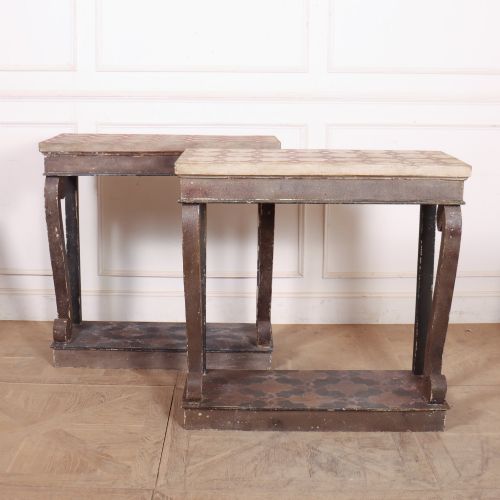
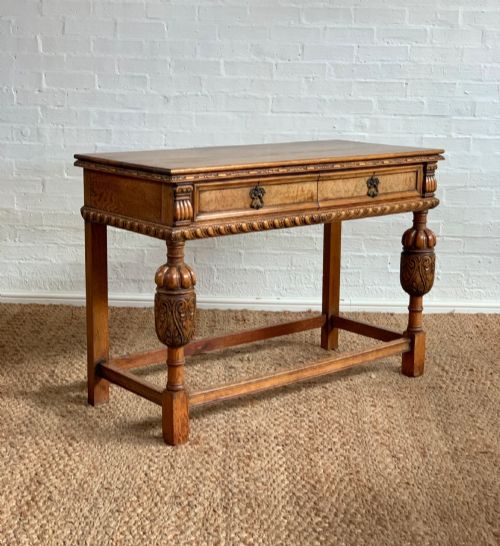
These continental hall table pieces offer striking character for an entranceway, combining timber construction with diverse period styles.
Continental Hall Table
A continental hall table serves as a functional and decorative piece for narrow spaces, typically taking the form of a console or side table. These items bridge multiple eras, ranging from seventeenth-century works to later nineteenth-century interpretations.
You will most frequently encounter nineteenth-century examples alongside earlier eighteenth-century variants on this page. The forms span simple single drawer side tables to elaborate console tables paired with mirrors.
Origins vary across European traditions, including Spanish painted designs, Biedermeier pieces, and Baroque creations. Each variant brings distinct regional craftsmanship to the entrance hall.
Materials and construction methods
Makers utilised a variety of woods including oak, walnut, maserbirch, Hungarian ash, and ebonised timber. Painted wood surfaces also appear among the Spanish items, adding colourful decorative finishes to the sturdy timber frames.
Carving represents a primary decorative technique, visible in Baroque and Jacobean Revival pieces. Metal elements such as brass and wrought iron provide structural support and surface contrast, while marble inserts top select eighteenth-century examples.
Continental Hall Table Retail Price Guide 2026
Typical asking prices for continental hall table among the pieces listed under this phrase on Sellingantiques today, from the lower quarter to the upper quarter. They describe what is for sale here now, not the wider market.
Listings feature oak, walnut, maserbirch, and ash alongside marble, brass, and wrought iron.
Judging the standard of execution
Quality rests upon the crispness of the carved details and the careful selection of timber veneers like maserbirch or ash. Superior examples display harmonious proportions and integrated marble tops rather than mismatched elements.
The sophistication of the regional style, whether restrained Biedermeier minimalism or exuberant Rococo Revival curves, dictates the visual success of the piece. Finer items maintain structural integrity alongside well-preserved painted or polished finishes.
Beresford and Hicks London
The Continental Hall Table Glossary
- Console table
- A table designed to be fixed against a wall, often supported by ornate brackets or legs. These pieces suit hallways and reception rooms.
- Biedermeier
- A central European style from the nineteenth century focusing on utilitarian comfort and clean lines. It often highlights the natural grain of timbers like maserbirch.
- Baroque
- An ornate European style characterised by dramatic carving, grandeur, and dynamic movement. This aesthetic defines several of the earlier pieces.
- Maserbirch
- A decorative birch wood featuring swirling grain patterns. Cabinetmakers prize it for creating striking veneered surfaces.
Continental Hall Table: Frequently Asked Questions
Where should I place a continental hall table?
These tables find their natural home in entrance halls, corridors, and narrow reception spaces where a slim profile is required. Their decorative tops and facades provide an immediate focal point upon entering a room.
Console variants often sit beneath mirrors or paintings, while side tables can function as serving surfaces or display areas for decorative objects.
How do I identify a Biedermeier table?
Biedermeier pieces typically date from the nineteenth century and prioritise clean, unpretentious geometric forms over heavy ornamentation. They frequently showcase blonde timbers and decorative veneers.
The aesthetic focuses on warm tones and the natural beauty of the wood grain rather than elaborate carving or gilding.
What is the difference between a console and a side table?
A console table traditionally attaches to a wall or relies on front legs for stability, designed specifically to stand flush against a vertical surface. Side tables are free-standing units with four legs finished on all sides.
Both forms serve similar functional roles in a hallway, though consoles often feature more decorative front aprons and wall-anchored designs.
How do I care for antique timber tables?
Maintain the wood by keeping the table away from direct heat sources and strong sunlight, which can dry out timber and fade polished or painted surfaces. Dust regularly with a dry cloth and apply appropriate beeswax sparingly.
Avoid using silicone-based polishes that can build up a residue and damage historic finishes over time.