





Collectible Sword Stick
A collectible sword stick combines the quiet dignity of a walking cane with a concealed steel blade, offering a fascinating glimpse into personal protection of the past.
Collectible Sword Stick
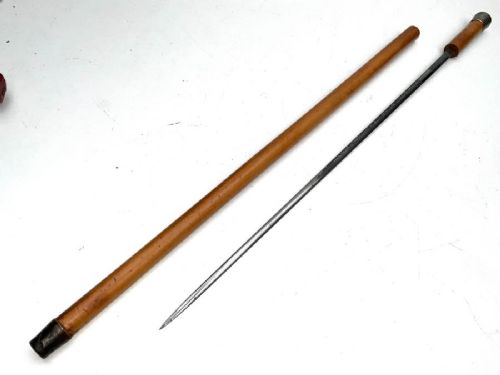
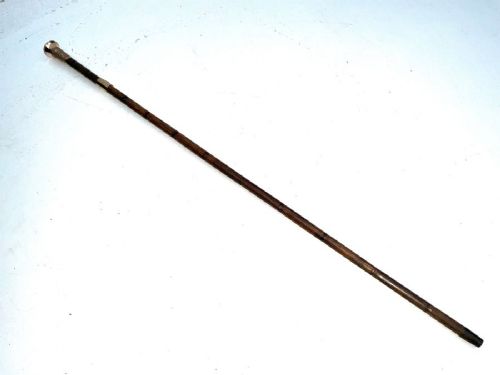
A collectible sword stick is a disguised walking cane that conceals a functional blade beneath a removable shaft and handle. These pieces emerge primarily from the Victorian and Edwardian eras, spanning the late nineteenth and early twentieth centuries.
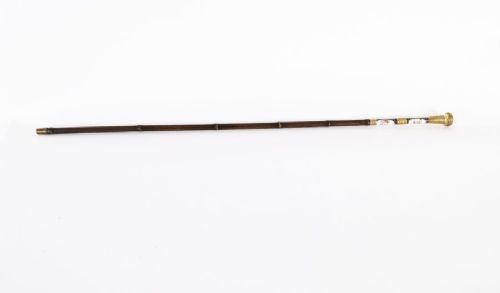
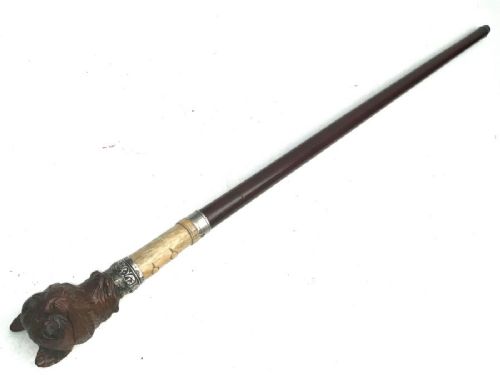
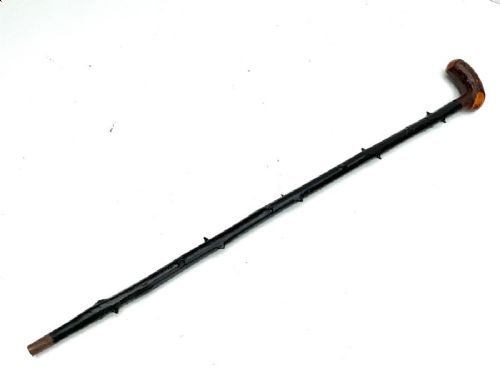
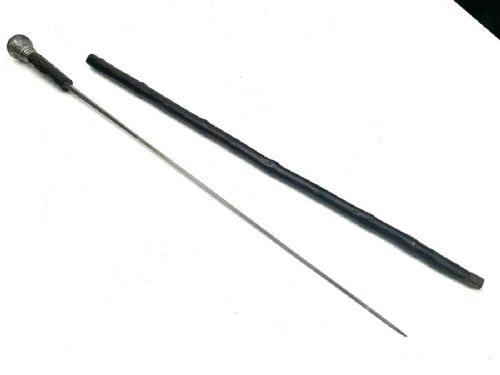
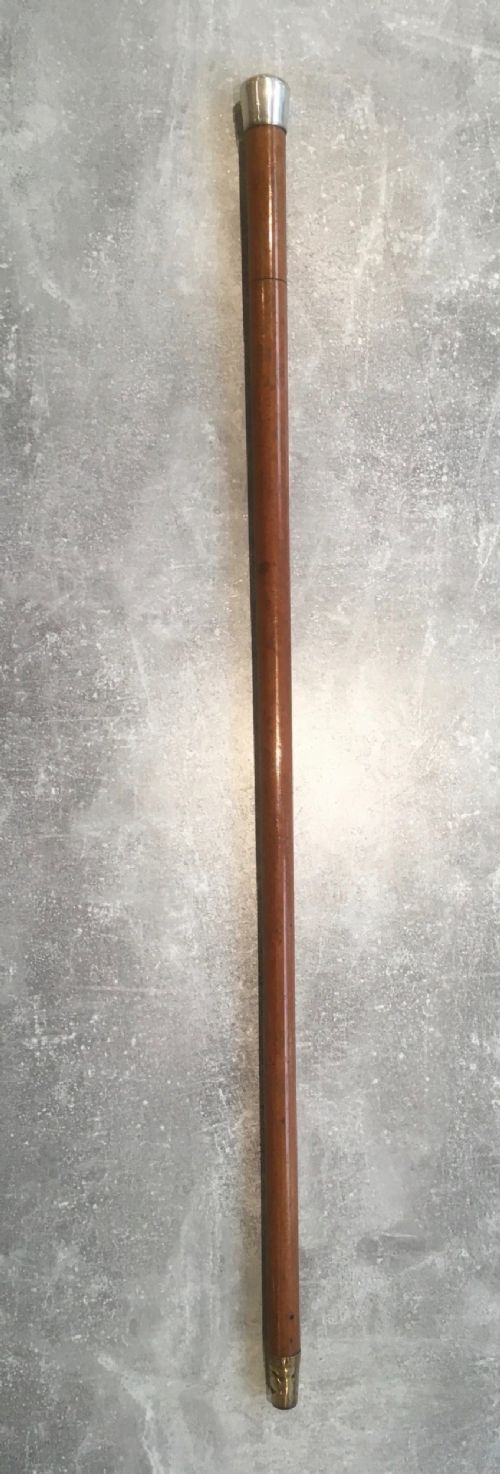
The versions most commonly met on this page include gentleman's walking sticks fitted with novel handles, silver knops, or animal motifs such as horses' heads. Traditional regional forms also appear, including Irish blackthorn and holly wood specimens.
Makers designed these items for civilian protection or ceremonial use, frequently incorporating Masonic symbols or military officer specifications. Each piece functions simultaneously as an everyday walking aid and a covert edged weapon.
How they were made
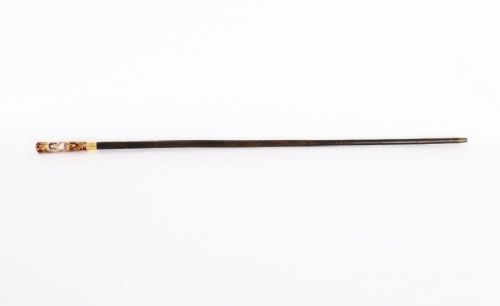
Artisans constructed the exterior shafts from natural materials such as wood, malacca, and leather-covered cores, while incorporating handles carved from bone, horn, and porcelain. French Sevres porcelain and gold plate frequently adorned the more elaborate grips.
The concealed blades relied on durable steel, fitted precisely into the wooden housing to ensure a seamless exterior appearance when closed. Silver and brass mounts reinforced the joints and provided decorative detail to the pommels and collars.
Some gentlemen preferred a concealed blade tucked inside a humble root-ended handle for an entirely unassuming stroll.
What varies in quality
The sophistication of the handle and the artistic merit of the materials separate the finer examples from standard walking sticks. Pieces featuring hand-painted porcelain or detailed silver mounts demonstrate superior craftsmanship compared to plain wooden shafts.
The engineering of the locking mechanism and the integrity of the steel blade dictate the overall standard of construction. A snug fit between the sheath and the handle indicates precise manufacturing by skilled workshops.
The Collectible Sword Stick Glossary
- Sword stick
- A walking cane containing a concealed blade. The shaft serves as a scabbard until the handle is pulled to release the weapon.
- Knop
- A rounded knob or pommel at the top of a walking stick. These decorative terminals often feature silver, horn, or porcelain decoration.
- Malacca
- A sturdy rattan cane imported from Southeast Asia and prized for its mottled brown finish. Makers valued this material for its resilience in walking stick shafts.
- Blackthorn
- A dense, hard wood traditionally used for Irish walking sticks. The natural growth knots remain visible along the length of the shaft.
Collectible Sword Stick: Frequently Asked Questions
What is a sword stick?
A sword stick is a hybrid object that appears to be a standard walking cane during casual observation. Inside the wooden or leather-covered shaft, a steel blade remains hidden until drawn.
Historically, gentlemen carried these items for personal security during urban transit. They combined practical walking support with a discreet means of defence.
How do you open a sword stick?
Most sword sticks open by releasing a simple latch, screw mechanism, or friction fit located just below the handle. Pulling the handle straight up extracts the concealed blade from the hollow shaft.
Care must be taken when handling older mechanisms to avoid damaging the original locking fit. The wooden channel acts as a precise scabbard for the steel interior.
Who carried sword sticks?
Nineteenth and early twentieth-century gentlemen, military officers, and civilians carried these disguised weapons for protection during travel. Masonic members also utilised specific decorated canes for fraternal identification and ceremony.
Different social classes purchased variations suited to their means, ranging from simple holly wood sticks to elaborate specimens with gold plate and porcelain.
How are Victorian canes dated?
Dating relies on stylistic clues, manufacturing techniques, and any accompanying hallmarks on silver mounts or collars. Victorian examples typically display dense woods, conservative carving, and specific metalworking traits from the nineteenth century.
Edwardian pieces often feature lighter handles and modified decorative motifs characteristic of the early twentieth century. Comparing handle materials and blade construction helps place the item in its correct era.