


Collectible Mantel Clock
These collectible mantel clock pieces bring functional timekeeping and period design into a room, offering brass, glass, and mahogany forms from the Victorian era onward.
Collectible Mantel Clock
A collectible mantel clock represents a diverse group of timepieces spanning the Victorian period, Edwardian era, Art Deco years, and mid-century modern design. Buyers searching for a collectible mantel clock encounter various formats including carriage clocks, desk clocks, and specialised glass designs.
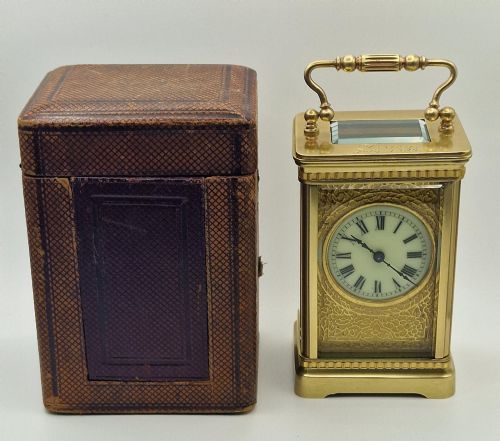
The pieces on this page heavily feature carriage clocks housed in brass or gilt brass, alongside striking architectural forms and opalescent glass creations. Origins range from British makers to French workshops producing pieces for international markets.
Makers and designers of the period utilised distinct regional styles, moving from heavy 19th-century French metalwork to sleek 1920s and 1930s glass objects and 1960s novelty timepieces.
Materials and construction
Makers constructed these timepieces using heavy brass and gilt brass frameworks, often enclosing mechanical movements behind glass panels and enamel dials. Leather cases occasionally accompanied travel clocks to protect the exterior during transit.
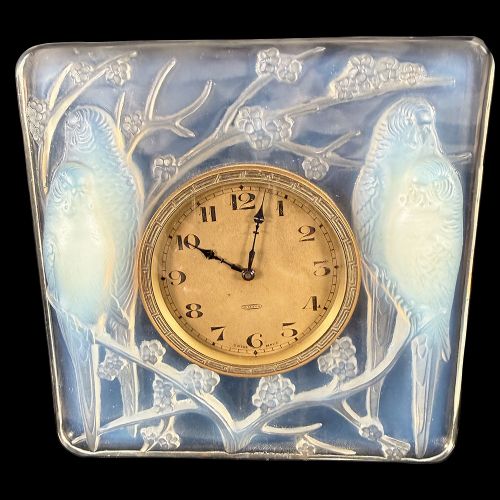
Art Deco examples incorporated opalescent glass moulded into sculptural shapes like love birds and cockerels, requiring precise glass-pressing techniques. Wooden housings such as mahogany also appeared alongside standard metal configurations.
Movements featured specialised functions including striking mechanisms, repeaters, alarms, and sweep seconds, demanding intricate gear assembly by skilled horologists.
Listings feature periods from the 19th Century and Victorian era through to the 1960s, using materials including glass, brass, and mahogany.
Factors determining quality
Quality rests in the reputation of the maker and the complexity of the movement, distinguishing standard production from high-end items by firms like Mappin and Webb or Jaeger Le Coultre. Superior pieces often include repeater functions, alarms, and original fitted boxes.
Artistry in the case materials dictates distinction, separating simple brass frames from moulded opalescent glass creations by Rene Lalique. The crispness of the enamel dial and the presence of original gilding further separate superior examples from ordinary ones.
Mappin and Webb·R Lalique·Jaeger Le Coultre
The Collectible Mantel Clock Glossary
- Carriage clock
- A portable spring-driven clock designed for travel, typically featuring a rectangular brass case with glass panels and a swing handle on top.
- Repeater
- A mechanism that chimes the hours and quarters on demand when a lever or button is pressed.
- Opalescent glass
- Glass containing ingredients that cause it to milky-blue or fire-like appearance when lit, frequently utilised in Art Deco decorative objects.
- Gilt brass
- Base metal treated with a thin layer of gold or gold-coloured wash to provide a bright metallic finish.
- Striking
- A clock function that sounds the hours audibly using bells or gongs.
Collectible Mantel Clock: Frequently Asked Questions
What is a carriage clock?
A carriage clock is a portable timepiece developed in the nineteenth century for travellers, housed in a brass and glass case.
These clocks rely on a spring-driven movement rather than a pendulum, allowing them to keep time while moving.
How do repeater clocks work?
A repeater mechanism allows the owner to press a button or lever to make the clock sound the last hour and quarter-hour.
This function was particularly useful for checking the time in the dark before electric lighting was common.
What materials are common?
Brass and gilt brass form the primary structural materials for the majority of these timepieces, often paired with glass panels.
Alternative materials include mahogany wood, leather for travel cases, and opalescent glass for decorative Art Deco designs.
How do I identify periods?
Periods are identified through a combination of case style, decorative motifs, and manufacturing materials used in the piece.
Victorian and Edwardian items often feature traditional brass carriage frames, while 1920s and 1930s examples show distinct Art Deco styling.