



Collectible Enamel Box
These collectible enamel box pieces range from Georgian patch boxes to Art Deco powder compacts, offering small-scale decorative artistry.
Collectible Enamel Box
A collectible enamel box brings together miniature craftsmanship and decorative utility across several historical periods. When searching for a collectible enamel box, buyers encounter items such as 18th century patch boxes, Victorian vesta cases, and 1930s powder compacts.
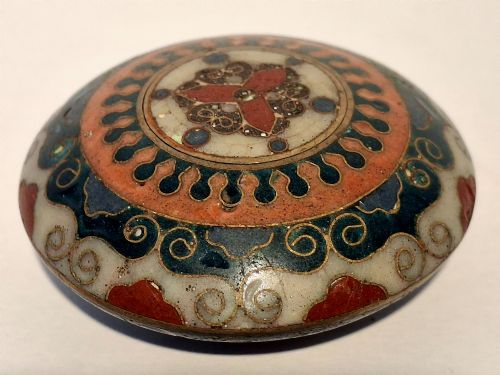
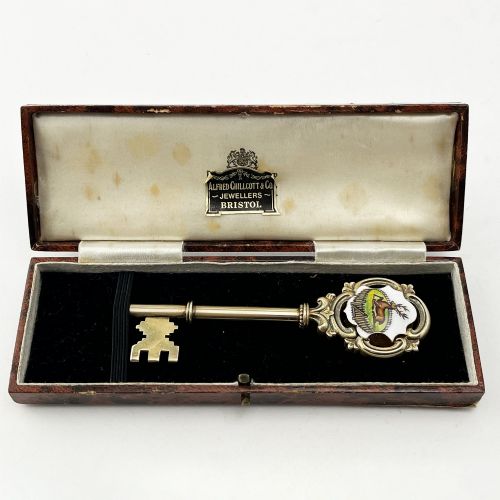
The selection on this page includes diverse forms ranging from Japanese cloisonne lidded netsuke to French guilloche enamel pill boxes and sterling silver presentation keys. Each object serves a distinct functional or decorative purpose characteristic of its era.
Origins span Georgian, Victorian, Edwardian, and Art Deco periods, alongside Japanese Edo period pieces. This variety reflects changing social habits, from snuff and patch usage to twentieth-century cosmetics.
How they were made
Construction relies heavily on metals such as brass, copper alloy, sterling silver, and chrome combined with vitreous enamel surfaces. Makers fused powdered glass to metal bases under high heat to create smooth, durable colour.
Techniques vary by origin and period, encompassing traditional cloisonne wirework, delicate guilloche engine-turning beneath translucent enamel, and hand-painted pictorial scenes on Bilston patches. Metal mounts and hinges complete the structural integrity of each piece.
What varies in quality
Quality in a collectible enamel box depends on the precision of the metalwork and the preservation of the vitreous surface. Finer examples display crisp hinges, secure closures, and minimal loss or crazing to the enamel artwork.
The sophistication of the design distinguishes standard items from exceptional ones, particularly in detailed hand-painting, complex guilloche patterns, or the inclusion of precious metals like sterling silver and silver-gilt.
Richard Hudnut·Houbigant
The Collectible Enamel Box Glossary
- Bilston enamel
- Enamel items produced in the English town of Bilston during the eighteenth century, often taking the form of small patch or snuff boxes.
- Guilloche enamel
- Decorative metal surface covered with translucent enamel where an intricate geometric pattern has been mechanically engraved.
- Cloisonne enamel
- Technique where enamel paste is applied within compartments created by soldered metal wires on a base.
- Vesta case
- A small pocket box designed to hold matches, frequently fashioned with hinged lids and decorated with enamel or silver.
- Patch box
- Small container used in the Georgian era to hold cosmetic beauty patches worn on the face.
Collectible Enamel Box: Frequently Asked Questions
What is a collectible enamel box used for?
These small containers served various historical purposes depending on their era, ranging from holding facial patches in the eighteenth century to storing matches or cosmetics later on.
Today, they function primarily as decorative cabinet pieces or miniature works of art for display.
How do I identify an eighteenth century box?
Eighteenth century examples often feature hand-painted copper construction used for specific social accessories like patch boxes or bonbonnires.
Examining the construction of the copper base and the style of the hand-painted enamel helps distinguish them from later Victorian or twentieth-century items.
What is Art Deco enamel work like?
Art Deco pieces from the 1920s and 1930s typically take the form of ladies powder compacts and combination cases made with chrome or silver.
They emphasise geometric lines, stylised motifs, and machine-turned textures such as guilloche.
How should I care for enamel items?
Enamel surfaces require gentle handling to prevent scratching or chipping of the vitreous glass layer against hard objects.
Keeping them away from moisture and harsh cleaning agents preserves both the metal mounts and the coloured decoration.