

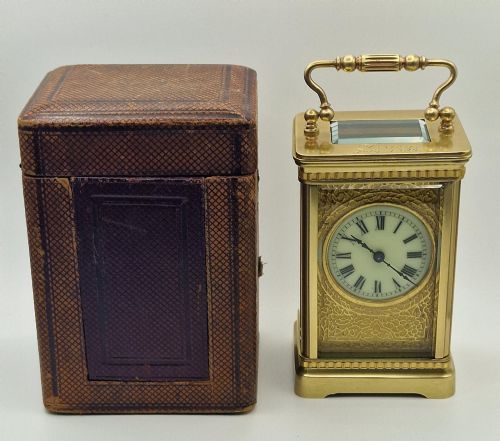


Collectible Brass Clock
These collectible brass clock pieces are heavy, dependable timepieces built in periods ranging from the seventeenth century to the mid-twentieth century.
Collectible Brass Clock
When you search for a collectible brass clock, you find domestic timepieces created across several centuries, with carriage clocks forming the most common type on this page.
The selection ranges from seventeenth-century longcase clocks to nineteenth-century French carriage clocks and twentieth-century desk pieces.
Most items combine brass framework with glass panels, enamel dials, and occasionally wooden elements like burr walnut or mahogany.
How they were made
Maker workshops constructed these timepieces primarily using cast and polished brass, frequently applying a gilt finish to the metal surfaces.
Internal movements required precise steel components, while visible dials typically featured white enamel with painted markings.
Enclosing cases combined brass framing with bevelled glass windows, and some examples integrated leather or exotic timbers such as burr walnut.
Collectible Brass Clock Retail Price Guide 2026
Typical asking prices for collectible brass clock among the pieces listed under this phrase on Sellingantiques today, from the lower quarter to the upper quarter. They describe what is for sale here now, not the wider market.
One notable timepiece takes the shape of a miniature lamp post, proving that past horologists enjoyed a sense of humour.
What varies in quality
Quality differences stem from the complexity of the internal movement, separating simple time-only models from striking and repeating mechanisms with alarms.
The finish of the cast brass and the clarity of the enamel dial also distinguish standard workshop output from higher-tier productions by recognised makers.
Mappin and Webb·Joseph Windmills·Jaeger Le Coultre
The Collectible Brass Clock Glossary
- Carriage clock
- A portable spring-driven timepiece designed for travellers during the nineteenth century, usually housed in a brass case with glass panels. These typically feature a swinging handle on top.
- Repeater
- A clock mechanism that strikes the hours and quarters upon demand when a lever or button is pressed. This complication added significant cost and complexity to the original production.
- Enamel dial
- A metal dial face covered with fused powdered glass, providing a smooth white surface for painted numerals. Enamel prevents the discoloration often seen on older metal faces.
- Gilt brass
- Brass treated with a thin layer of gold or gold-coloured wash to enhance appearance and prevent tarnish. This finish appears frequently on nineteenth-century French pieces.
Collectible Brass Clock: Frequently Asked Questions
How do carriage clocks work?
Carriage clocks utilise a spring-driven movement regulated by a platform escapement, allowing them to keep time while portable.
Most examples run for eight days on a single wind before requiring attention from a key.
What is a repeater clock?
A repeater is a mechanical timepiece that chimes the time when activated manually by the user.
This function allowed owners to check the hour in the dark before electric lighting was common.
How do I date a brass clock?
Dating relies on stylistic clues, case design, escapement type, and any maker signatures engraved on the movement backplate.
Materials such as burr walnut or specific dial treatments also point toward particular centuries.
Where should I place my clock?
These clocks suit stable surfaces away from direct sunlight, excessive moisture, and sudden temperature shifts.
Level tabletops or mantelpieces ensure the pendulum or platform escapement beats evenly.