



Collectible Book Set
A collectible book set brings history and literature directly to your shelves, offering matched bindings and multi-volume works that anchor a room.
Collectible Book Set
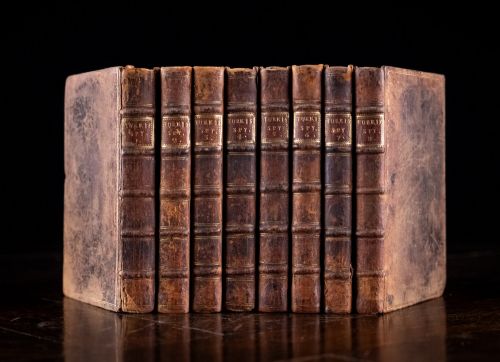
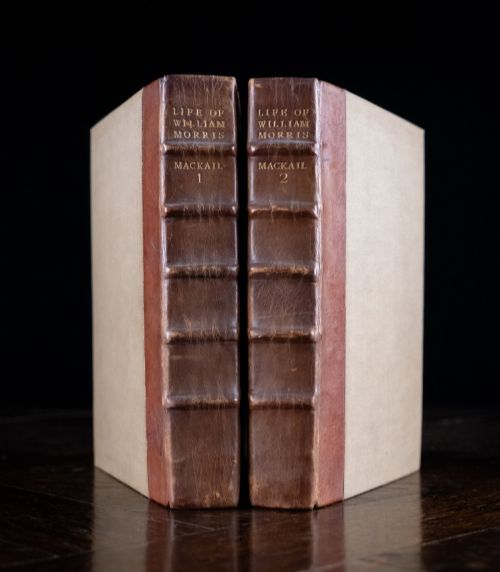
A collectible book set gathers multiple volumes under a single unified theme, author, or publisher, often sharing a uniform binding that looks striking on a shelf. These multi-volume works span centuries of printing history, from early eighteenth-century letters to Edwardian biographies.
The versions most commonly met on this page include nineteenth-century editions, Shakespeare collections, and historical reference books. Buyers often find complete multi-volume sets ranging from pocket-sized miniature works to substantial county histories bound in leather or cloth.
How they were made
Binders utilised traditional materials including leather, vellum, cloth, and paper, applying gold leaf for spine lettering and decorative tooling. Pages contain printed text using early ink techniques on rag or wood-pulp paper.
Many volumes feature publisher or binder bindings designed to keep multi-volume sets visually consistent. Some pieces incorporate wooden display structures, such as miniature bookcases housing small-format sets.
Collectible Book Set Retail Price Guide 2026
Typical asking prices for collectible book set among the pieces listed under this phrase on Sellingantiques today, from the lower quarter to the upper quarter. They describe what is for sale here now, not the wider market.
Listings feature periods spanning from the eighteenth century through the Edwardian era, utilising materials like vellum, leather, cloth, and gold leaf.
What varies in quality
Quality in a book set rests upon the integrity of the binding materials and the uniformity of the volumes. Sets that retain their original matched leather, cloth, or vellum bindings across all volumes command greater interest than assembled groups.
The presence of original first editions, first printings, or notable illustrative plates adds distinction to a multi-volume work. Finer sets display crisp gold leaf tooling on the spine and well-preserved internal pages without heavy degradation.
J W Mackail·Thomas Archer·Katharine Prescott Wormley
The Collectible Book Set Glossary
- First Edition
- The earliest printed appearance of a work from the initial typesetting. Subsequent printings follow this primary run.
- Vellum
- A fine parchment prepared from calfskin, used historically for durable and prestigious book bindings. It provides a smooth, pale surface.
- Gold Leaf
- Gold beaten into an extremely thin sheet, used for lettering and ornamenting book spines and covers. It resists tarnishing over time.
Collectible Book Set: Frequently Asked Questions
How do I care for antique leather book sets?
Keep leather-bound volumes away from direct sunlight and excessive humidity to prevent the skin from drying out and cracking. Maintain stable room temperatures to preserve the paper and bindings.
Dust the tops of the text blocks regularly with a soft brush rather than a cloth. Handle the spines carefully when removing volumes from a shelf to avoid tearing the headbands.
What makes a book set complete?
A complete set contains every volume issued by the publisher for that specific edition or title. Multi-volume works list the total number of books required to make up the complete sequence.
Check the title pages and volume numbers against the publication details recorded in the listing. Uniform bindings across all volumes help confirm that the set was issued together.
Are miniature book sets readable?
Many miniature sets feature genuinely printed text reduced in scale, often accompanied by tiny bindings and dedicated display cases. They were produced as novelty items or portable libraries for collectors.
While some volumes require magnification to read comfortably, others retain clear typography despite their small format. Their primary appeal lies in the intricate craftsmanship required to produce a full book at a fraction of normal size.
How are different publication periods told apart?
Eighteenth-century volumes often feature heavy ribbed spines, sprinkled calf leather, and typography distinct from later Victorian printing. Paper stock in these earlier books feels thicker and heavier due to rag content.
Nineteenth and early twentieth-century sets introduce publisher cloth bindings, machine-made paper, and more standardised pagination. Title pages and frontispiece dates provide the most direct evidence for specific eras such as the Edwardian period or Regency years.