

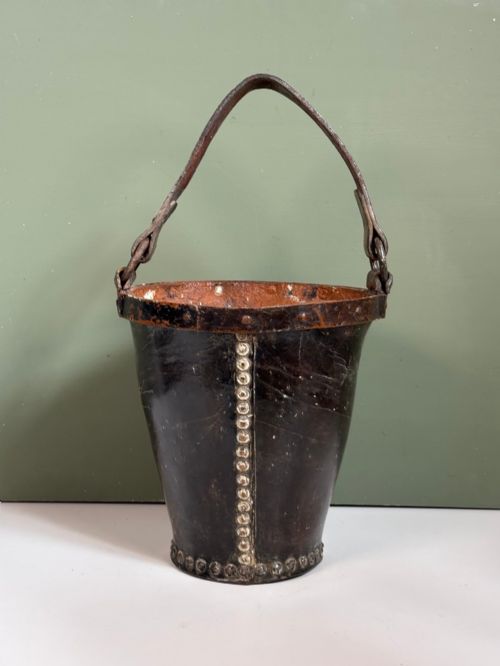


Coal Fire Basket
A coal fire basket brings hearth utility and period weight to a room, ranging from cast iron grates to leather and copper buckets.
Coal Fire Basket
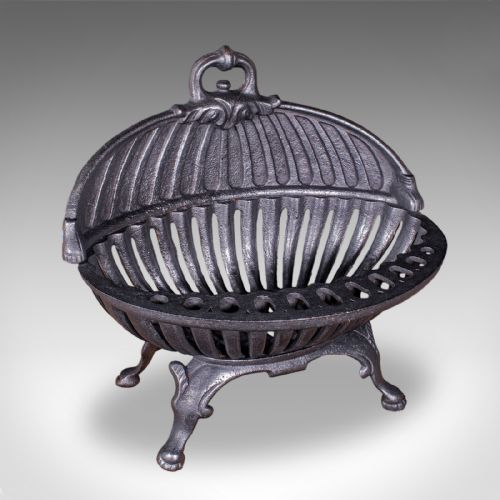
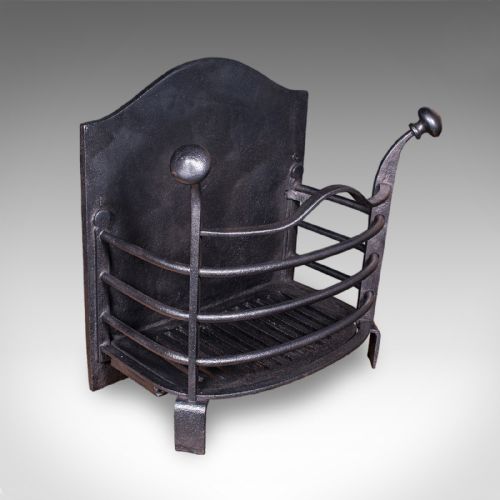
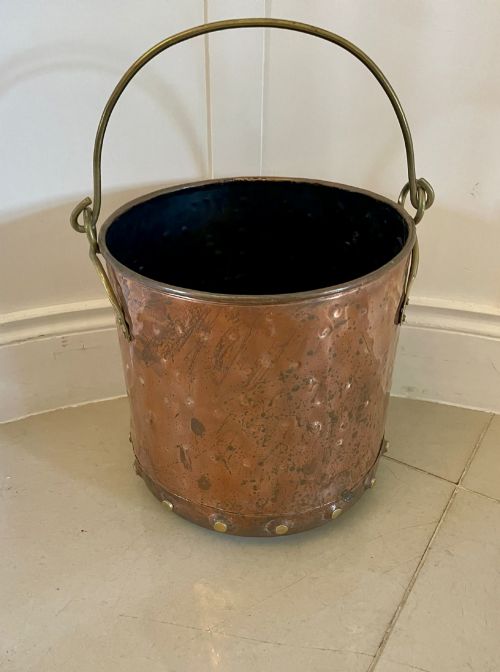
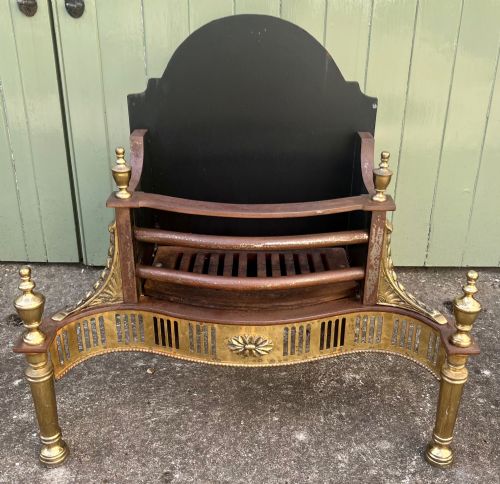
A coal fire basket encompasses both the metal grates designed to hold fuel within a fireplace and the vessels used to transport or store the coal beside the hearth. When searching for a coal fire basket, buyers encounter several distinct object types including fire grates, log bins, and studded leather buckets.
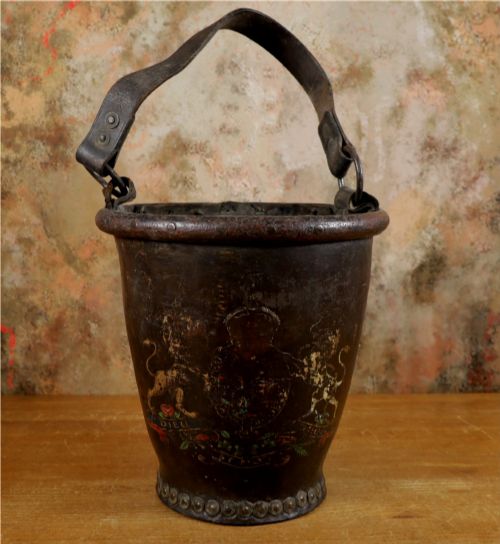
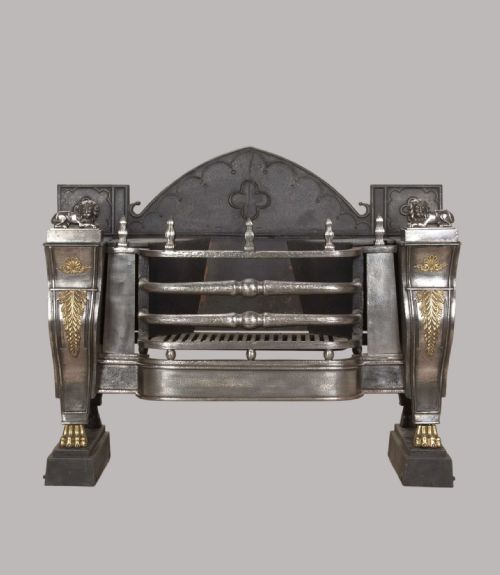
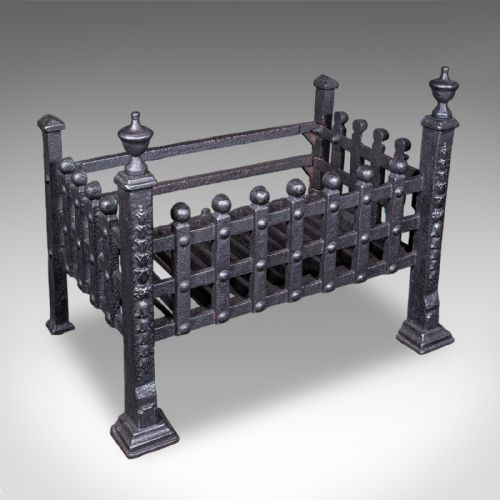
The pieces on this page span from the Georgian and Regency periods through the Victorian era into the early twentieth century. You will frequently find freestanding cast and wrought iron grates alongside copper log bins and boiled leather fire buckets decorated with studs.
Makers and craftsmen produced these items in various styles ranging from classical Adam designs and French Country to Arts and Crafts and Rustic Farmhouse. Each form serves a practical hearth function while carrying the distinct aesthetic of its nineteenth or early twentieth century period.
Materials and construction methods
Metalwork relies heavily on cast iron and wrought iron for structural fire grates, often combined with bright brass or copper components for decorative effect. These metals were cast in moulds or hammered and forged by hand to create durable hearth furniture that could withstand intense heat.
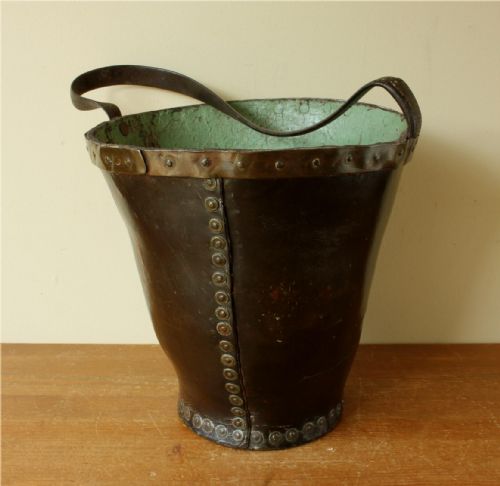
Containers take shape through alternative traditional materials such as boiled leather and oak, frequently embellished with copper or brass studs. Artisans shaped these organic materials to create sturdy log bins and fire buckets intended for daily domestic use.
Coal Fire Basket Retail Price Guide 2026
Typical asking prices for coal fire basket among the pieces listed under this phrase on Sellingantiques today, from the lower quarter to the upper quarter. They describe what is for sale here now, not the wider market.
Materials span cast iron, wrought iron, brass, copper, oak, and boiled leather with decorative studwork.
Assessing quality in hearth metalwork
Quality rests in the precision of the metal casting and the crispness of classical detailing, such as the distinct moulding on Regency and Adam style grates. Superior pieces display thoughtful proportions and robust construction that remain stable under regular heat exposure.
For leather and copper buckets, quality shows in the neatness of the studwork and the integrity of the seams. Better examples maintain their original form and retain a rich, authentic patina built up over decades of polishing and use.
The Coal Fire Basket Glossary
- Fire grate
- An iron basket or frame that holds coal or wood inside a fireplace. It sits directly within the hearth to allow airflow beneath the burning fuel.
- Hob grate
- A fireplace grate featuring flat side shelves or hobs for warming pots or kettles. This form is particularly associated with the Regency period.
- Log bin
- A large container used to store firewood near the hearth. They appear in materials like copper, brass, and oak.
- Register grate
- A metal fireplace insert equipped with a flap or damper to control the draught of the chimney. It became common during the nineteenth century.
- Boiled leather
- Leather hardened by being heated in water or wax, making it stiff and durable. It was utilised historically for making sturdy buckets.
Coal Fire Basket: Frequently Asked Questions
How do I use an antique fire basket?
These iron baskets sit inside an open hearth to hold solid fuel or logs safely off the floor. They allow air to circulate beneath the fire for better combustion.
Modern buyers also repurpose smaller grates or copper log bins purely as decorative fireplace inserts or plant holders when a working chimney is absent.
Are these grates suitable for a real fire?
Many cast iron and wrought iron grates were built for active coal or wood fires and remain structurally capable of holding fuel. You should check the metal for deep cracks or structural thinning before lighting a real fire.
Some decorative or very small Victorian examples are better suited to ornamental hearth displays rather than intense daily burning.
What is the difference between a log bin and a fire bucket?
Fire buckets were historically designed to carry water for extinguishing sparks and often feature thick leather or metal construction with heraldic studwork. Log bins are generally wider containers meant specifically for storing dry fuel logs by the fireside.
Both items served essential domestic functions near the nineteenth century hearth but fulfill purely decorative or storage roles today.
How do I date a brass and iron grate?
Dating relies on stylistic clues, such as the classical motifs of the Regency and Adam periods or the hand-hammered surfaces typical of Arts and Crafts pieces. Manufacturing marks, screw types, and the method of iron casting also provide clear indicators of age.
Victorian pieces often display heavier proportions and more ornate brass decoration compared to earlier Georgian designs.