



Cluster Stone Necklace
A cluster stone necklace brings together vibrant gemstones and precious metals to form a striking centrepiece.
Cluster Stone Necklace
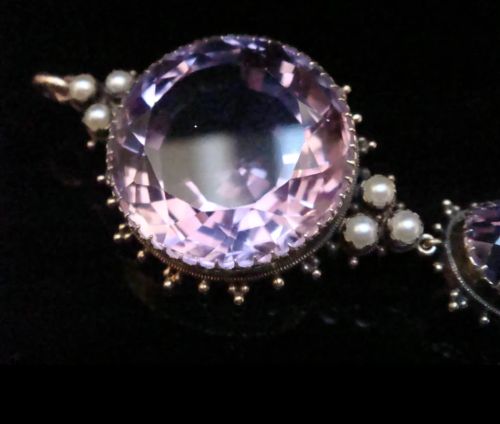
You are most likely to meet gold settings paired with amethyst, zircon, and diamond on this page. The designs range from Arts and Crafts silver work to traditional fine jewellery and Art Deco creations.
The selection reflects both early twentieth-century craftsmanship and Victorian sensibilities. Each cluster stone necklace highlights central gem groupings supported by gold, silver, or platinum chains.
Materials and construction
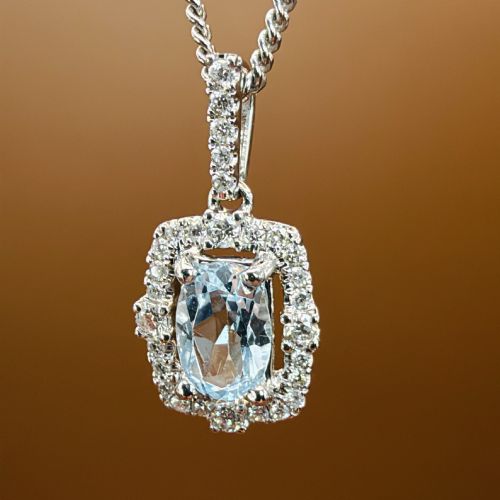
Maker construction relies heavily on nine-carat gold, eighteen-carat white gold, platinum, and silver to house the diverse gemstones. Stones such as amethyst, zircon, diamond, aquamarine, garnet, iolite, peridot, and citrine are secured within these precious metal frameworks.
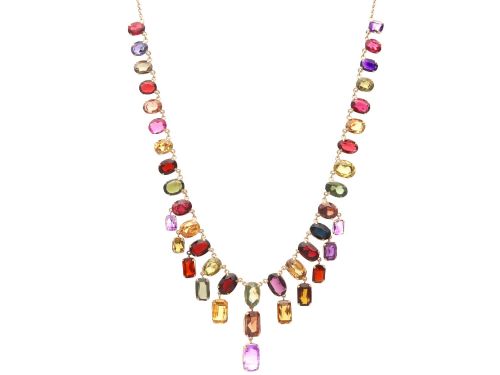
Techniques range from elaborate fringe drops featuring multiple dangling stones to tightly configured oval cut gemstone clusters. Artisans balance substantial carat weight distributions with delicate chains or structured collars.
Cluster Stone Necklace Retail Price Guide 2026
Typical asking prices for cluster stone necklace among the pieces listed under this phrase on Sellingantiques today, from the lower quarter to the upper quarter. They describe what is for sale here now, not the wider market.
Several pieces feature dangling stone fringes that gently shimmy when you move.
Assessing quality
Quality rests upon the clarity and carat weight of the stones, alongside the structural integrity of the metal setting. Pieces featuring substantial diamond or zircon carat weights alongside large amethysts command higher regard.
Artisanal execution in period pieces, particularly the handiwork visible in Arts and Crafts silver settings or intricate Victorian fringe drops, dictates the refinement of the finished jewel.
The Cluster Stone Necklace Glossary
- Fringe necklace
- A necklace design featuring hanging drops or tassels of stones suspended along the lower front edge. These drops move freely with the wearer.
- Cluster pendant
- A central gathering of gemstones grouped closely together to resemble a single large floral or geometric motif. This focal element hangs directly from a chain.
- Carat
- A unit of weight used for measuring gemstones. Higher carat weights indicate larger stone sizes within the cluster settings.
- Art Deco
- A design style spanning the 1920s and 1930s characterised by geometric precision and sleek lines. Pieces from this period often utilise platinum and white gold.
Cluster Stone Necklace: Frequently Asked Questions
What periods do these necklaces come from?
The pieces span the Victorian era, the 1920s, 1930s, 1940s, 1950s, and 1960s. This gives you a wide chronological range of historical designs to explore.
You will find specific styling traits unique to each decade, from Victorian garnet work to mid-century gold clusters.
How do I wear a fringe necklace?
Fringe necklaces feature dangling drops that sit along the collarbone and chest. They work best as the primary focal point of an outfit.
Because the drops add movement and length, they suit evening wear and open necklines particularly well.
What metals are used in these pendants?
The mountings utilise nine-carat gold, nine-carat rose gold, eighteen-carat white gold, silver, and platinum. Each metal reflects the prevailing fashion of its specific period of manufacture.
White metals dominate the earlier twentieth-century pieces, while yellow and rose gold feature prominently across mid-century designs.
Are all the stones natural gems?
The listings feature genuine mined stones including diamonds, amethysts, aquamarines, zircons, garnets, iolites, peridots, and citrines. These are set into precious metal structures by period artisans.
Each stone type brings distinct colour profiles and refractive qualities to the cluster arrangements.