
Clear Wine Glass
A clear wine glass carries centuries of craftsmanship in the hand, moving from Georgian baluster stems to twentieth-century crystal.
Clear Wine Glass
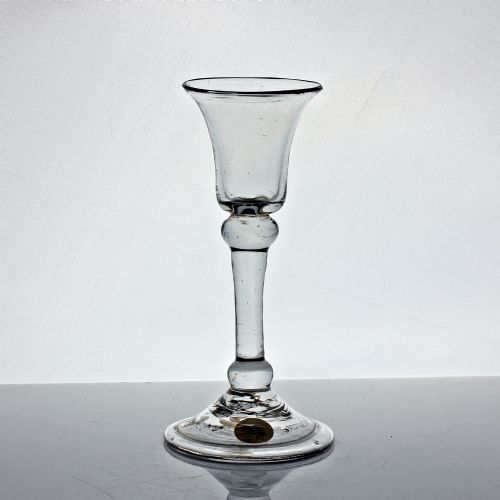
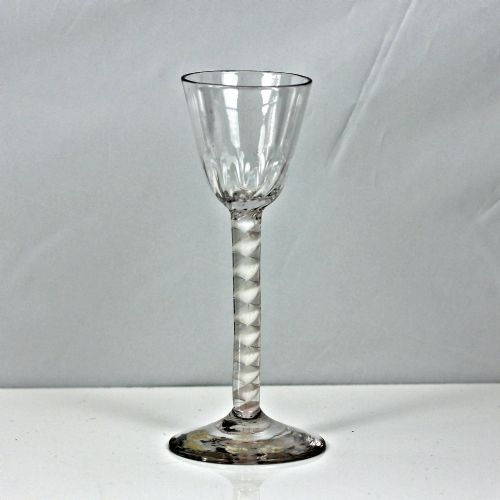
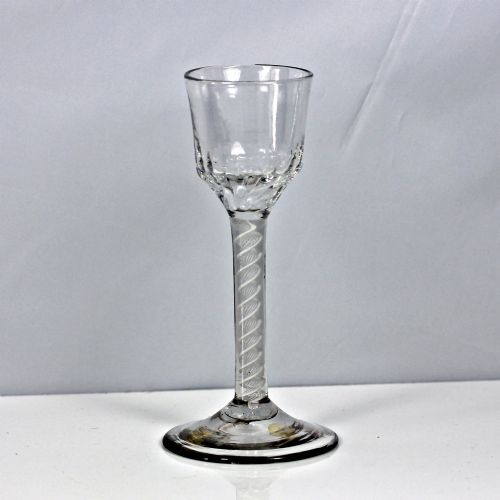
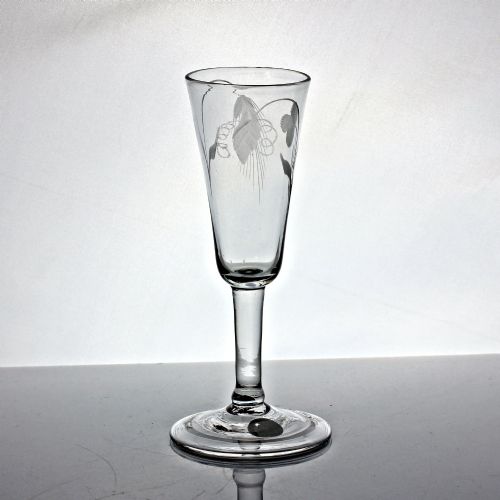
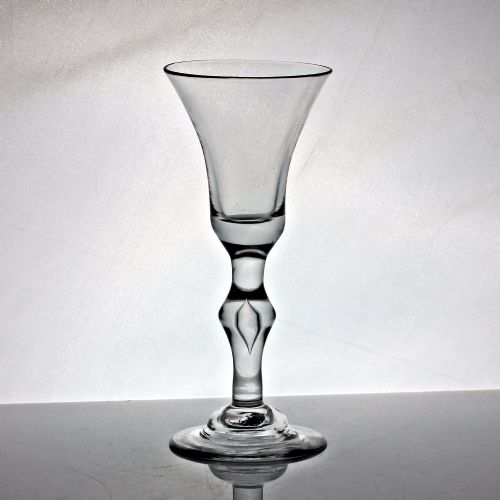
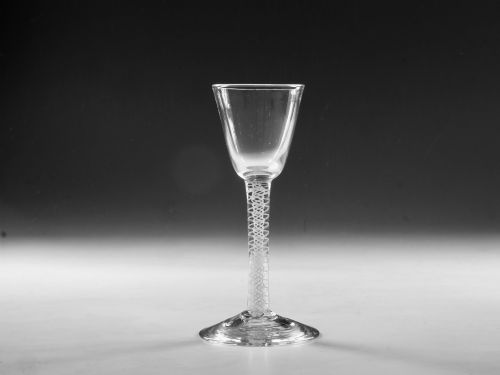
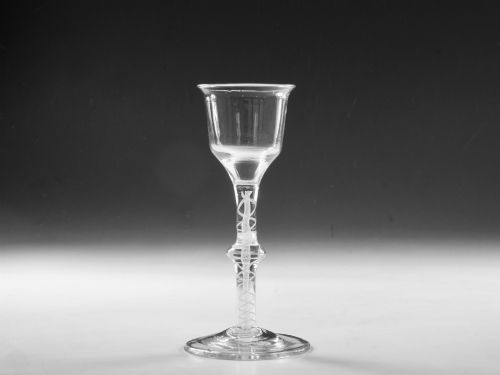
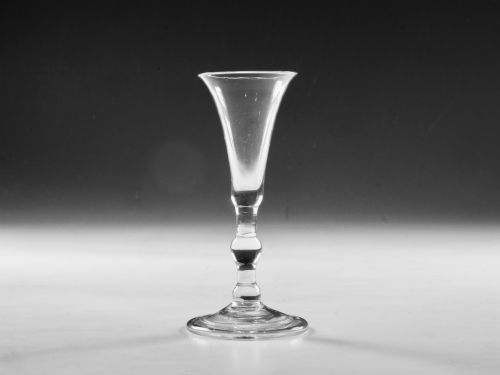
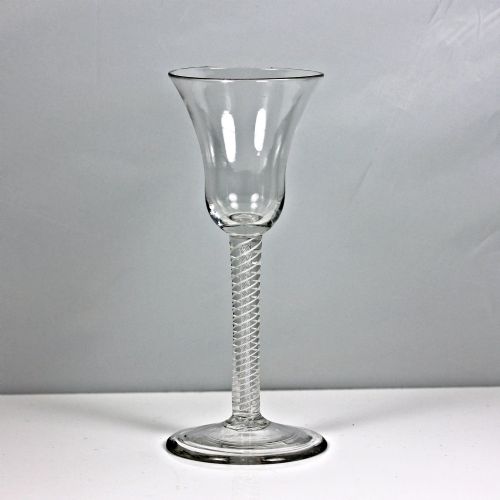
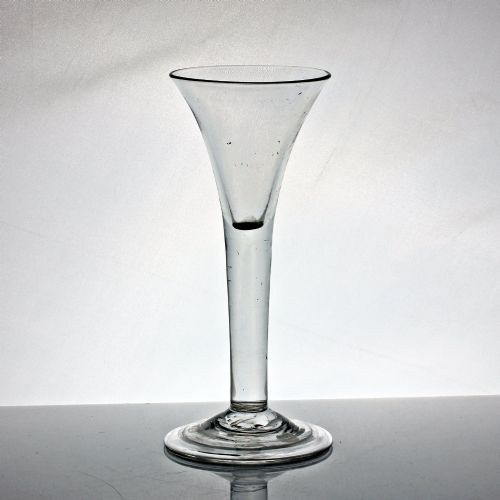
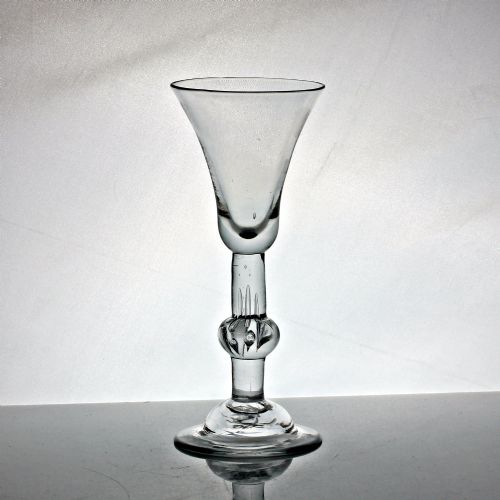
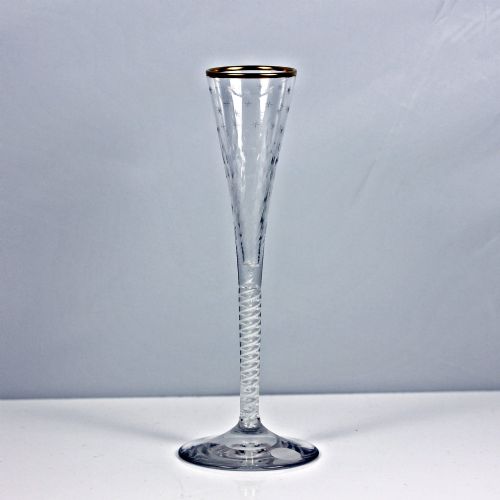
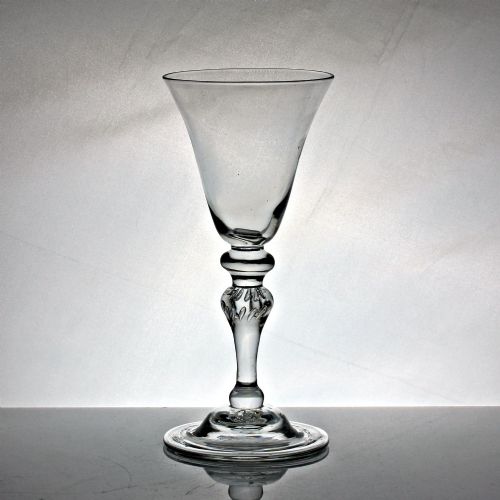
A clear wine glass on this page most often takes the form of an eighteenth-century Georgian vessel, shaped with opaque twists, air tears, or baluster stems. Buyers encounter diverse silhouettes ranging from bell bowls and trumpet bowls to ogee and rounded funnel forms.
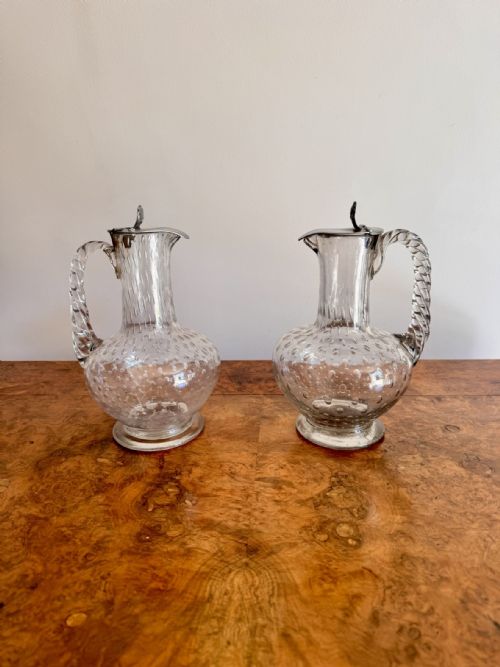
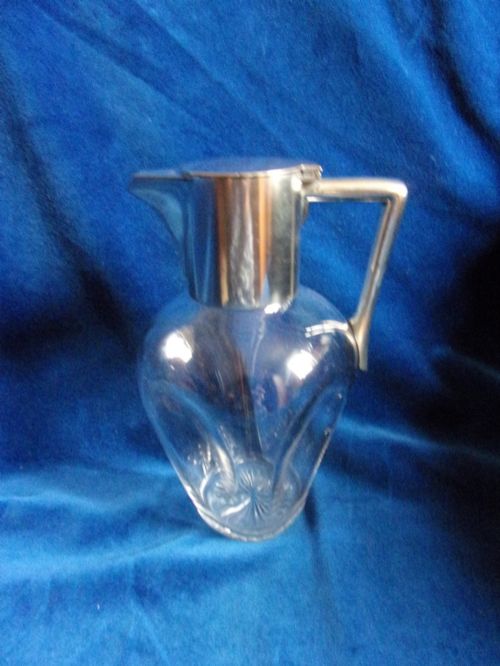
Beyond standard wine glasses, the selection encompasses related drinking vessels including gin glasses, dram glasses, ale glasses, ratafia glasses, and rummers. Later nineteenth-century and Edwardian pieces bring star-etched champagne flutes, cut glass ewers, and claret jugs into the mix.
Origins span English glasshouses alongside continental European centres like Bohemia, France, and Czechoslovakia. Periods stretch from the Georgian era through Victorian, Edwardian, Art Nouveau, and Art Deco movements.
Materials and Techniques
Makers utilised lead glass and lead crystal to achieve clarity, weight, and resonance in each vessel. Free-blown and mould-blown techniques formed the bowls and feet, while optical effects were introduced through air bubbles and intricate glass threads.
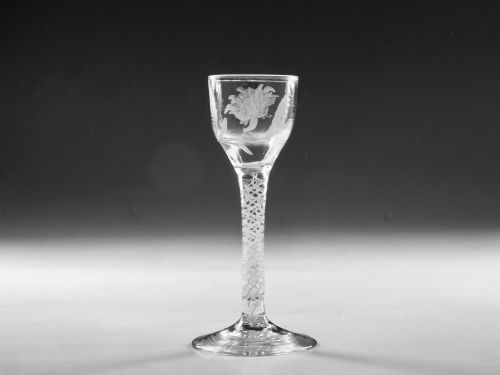
Twist stems required master skill, combining single or double series opaque white enamel rods within the molten metal to form spiral patterns. Cutting, engraving, and gilding embellished surfaces, sometimes utilising wheel-cut facets or enamel decoration.
Early glass blowers occasionally trapped air bubbles on purpose, transforming a simple manufacturing flaw into a celebrated decorative feature.
The Measure of Quality
Subtlety of form and proportion define the finer examples, where the weight of the metal balances the height of the stem. Cleanness of the metal without excessive cloudiness or heavy impurities distinguishes superior glasshouses.
The crispness of wheel engraving, precision of twist stems, and delicacy of folded feet separate standard production from masterwork execution.
Baccarat Vallee·William Comyns·James Giles·PH Vogel·Moser Bohemian
The Clear Wine Glass Glossary
- Air twist
- A stem containing spiral air threads formed by drawing bubbles through the molten metal. This technique creates a delicate internal pattern.
- Baluster
- A heavy, swelling stem shape reminiscent of architectural pillars found on Georgian drinking vessels. It provides a substantial weight in the hand.
- Ogee
- An S-curve bowl profile curving inward at the rim and outward below. This shape concentrated aromas effectively.
- Wrythen
- A decorative optical swirl pattern moulded into the bowl or body of the glass. It catches light dynamically.
- Ratafia
- A tall, slender glass designed for sweet fruit liqueurs. These pieces often feature detailed engraving.
Clear Wine Glass: Frequently Asked Questions
How do I identify a Georgian clear wine glass?
Georgian pieces display distinct characteristics like pontil marks on the base, heavier lead metal, and stem formations such as balusters or opaque twists.
Bowl shapes also tend toward traditional forms like bell, ogee, or trumpet styles.
Can I use antique wine glasses daily?
Many collectors enjoy using sturdy lead glass pieces for special occasions, provided they receive careful hand washing.
Avoiding extreme temperature changes protects the aged material.
What distinguishes cut glass from blown glass?
Blown glass relies on manipulation while molten to shape bowls and stems. Cut glass involves grinding decorative facets into cooled metal.
Later Victorian and Edwardian pieces frequently combine both techniques.