
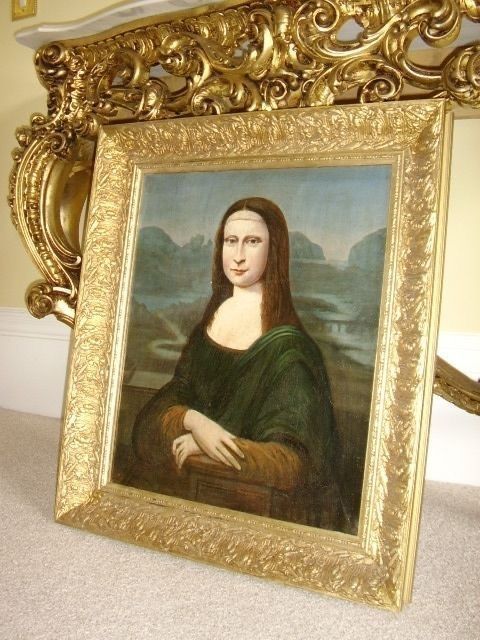
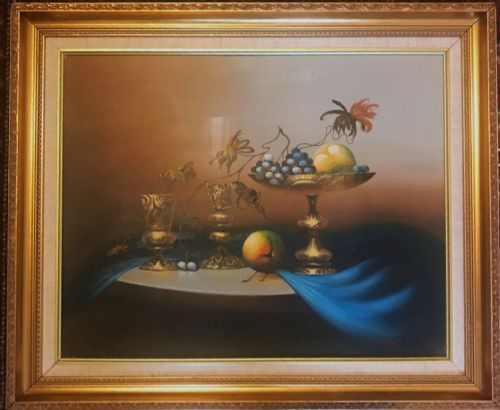
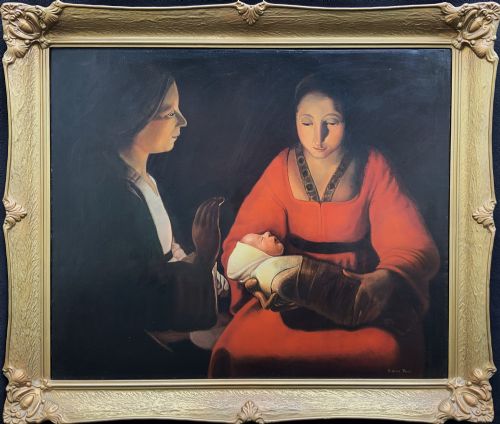
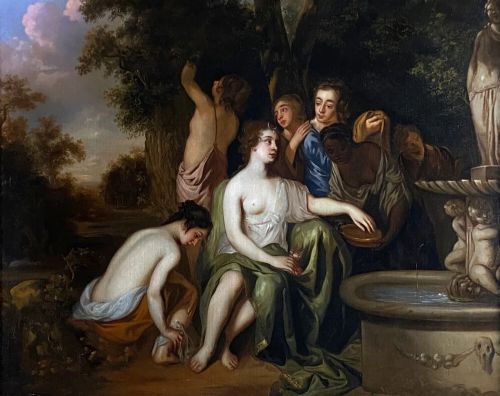
Classical Oil Painting Canvas
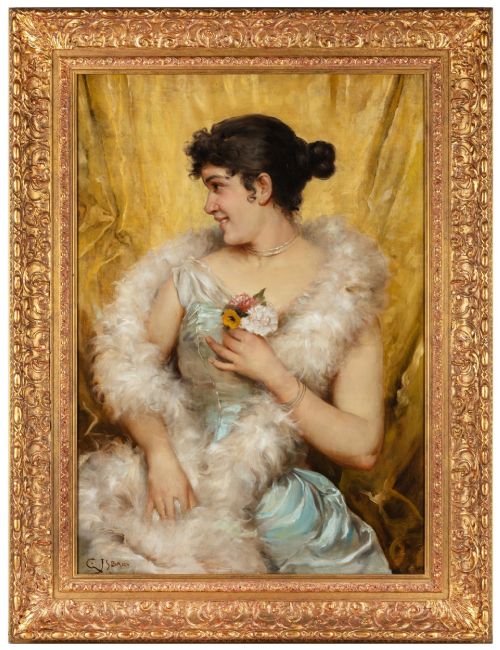
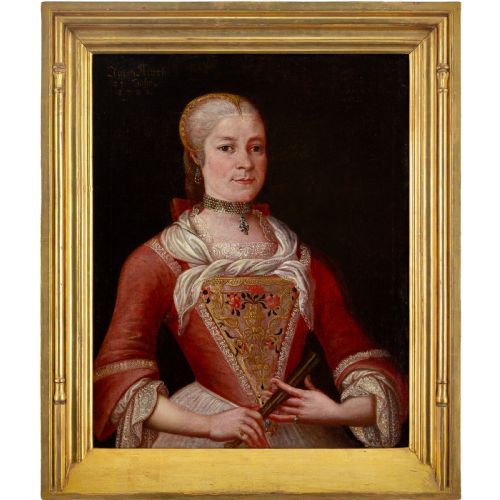
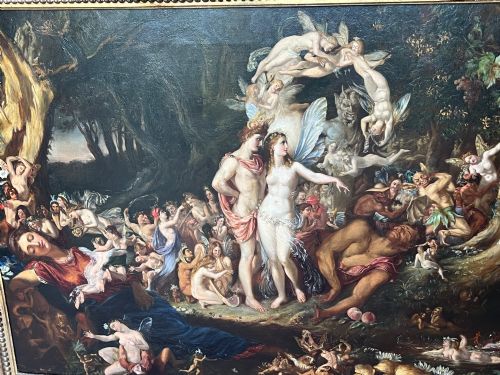
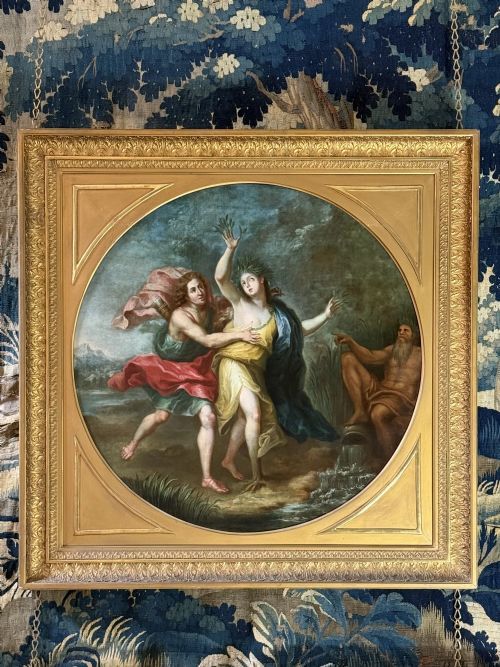
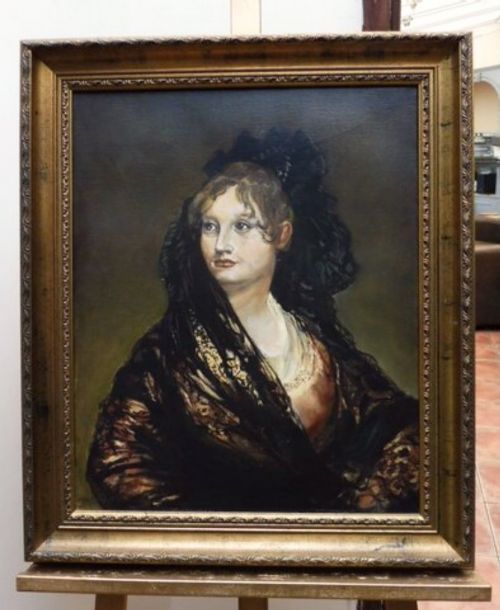
A classical oil painting canvas brings mythological scenes and historic portraits into a room, framed in rich giltwood and gesso.
Classical Oil Painting Canvas
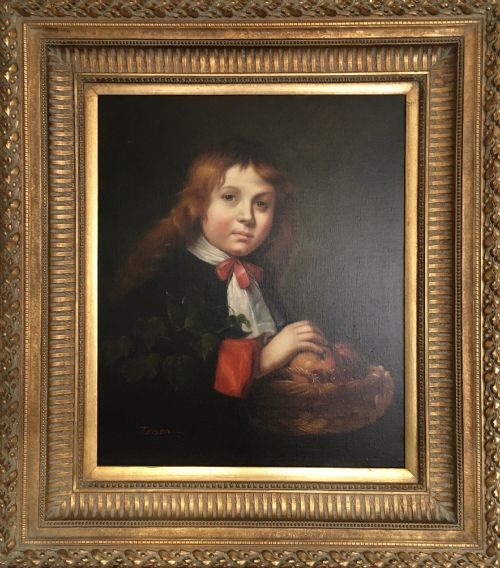
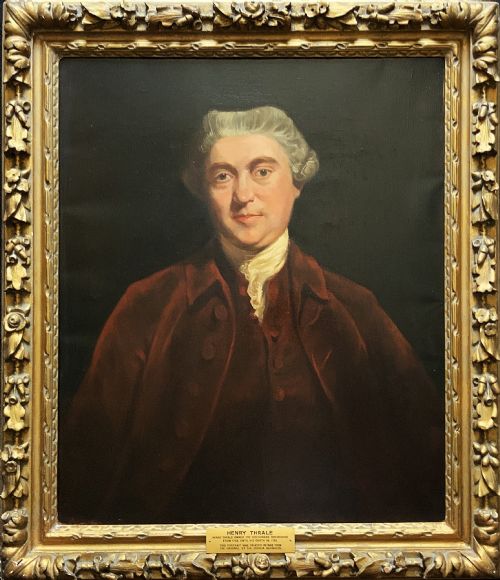
A classical oil painting canvas captures centuries of artistic tradition, ranging from grand mythological narratives to detailed portraits and still life arrangements. Buyers searching for a classical oil painting canvas often encounter works spanning the seventeenth, eighteenth, and nineteenth centuries, alongside later reinterpretations and academic studies.
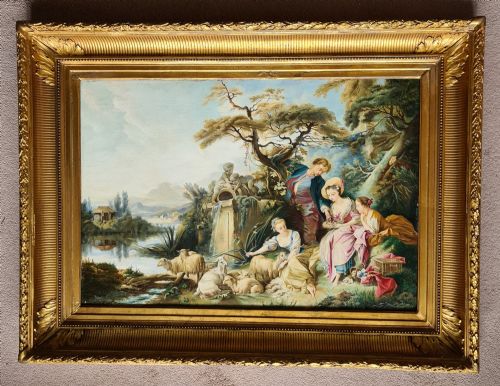
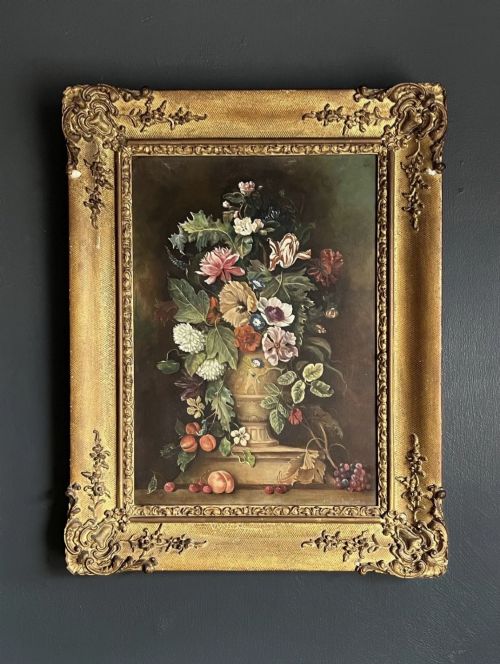
The subjects on this page extend from Dutch floral still lifes and Italian landscapes to dramatic depictions of deities and historical figures. Many pieces reflect established European schools, including French Rococo, Dutch Baroque, and Italian Renaissance styles.
Originating from periods like the Georgian era or the Grand Tour tradition, these works frequently arrive set within heavy carved wooden frames. The selection balances original period pieces with later twentieth-century studies executed after historic masters.
Materials and technique
Pigments mixed in oil paint are applied directly to a stretched woven canvas, allowing for subtle tonal shifts and deep glazing. This foundational medium permits the fine detail seen in portraiture and landscape work.
Support structures typically involve a timber stretcher frame, sometimes reinforced with wood backing or laid onto card in later conservation methods. Canvases are frequently housed in ornate giltwood or gilt gesso frames featuring relief decoration and gold leaf.
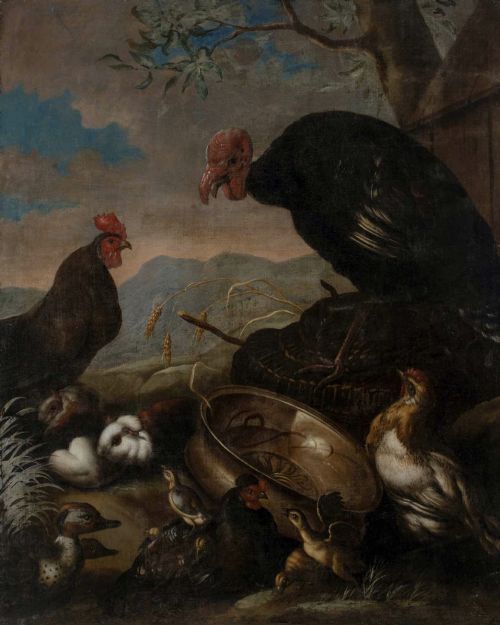
Several canvases feature unexpected details, including vigilant birds surveying castle ruins and baskets overflowing with grapes.
Distinctions in quality
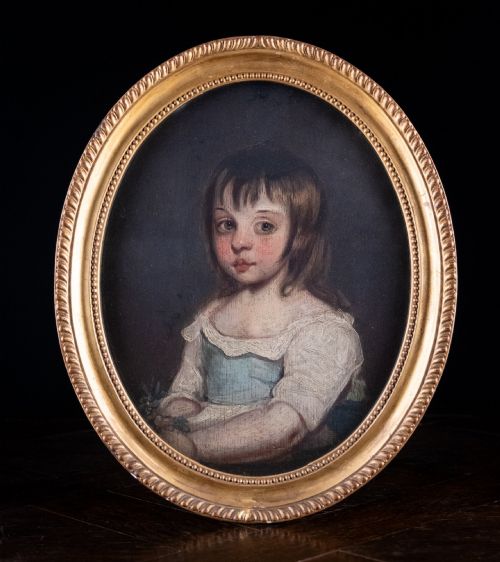
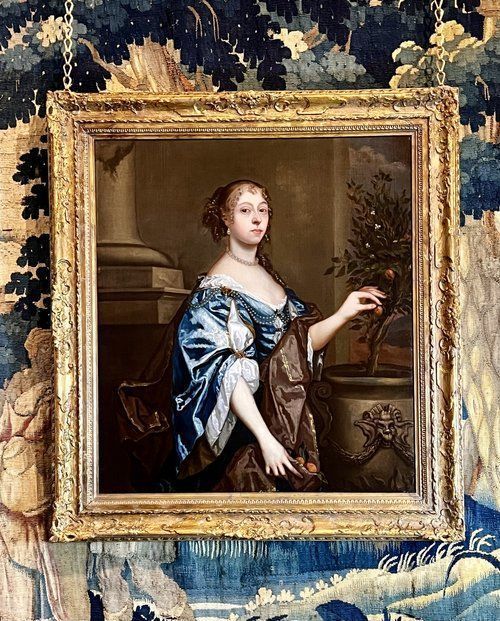
Quality rests upon the execution of brushwork, anatomical proportion, and the depth achieved through layered oil paint. Works attributed to named studios or direct circles of historic painters display superior draughtsmanship compared to generic decorative copies.
The integrity of the canvas and the preservation of the original pigment layer dictate the overall standing of a piece. Finer examples retain crisp details in drapery and facial expression, supported by period frames that match the age and origin of the artwork.
Charles Antoine Coypel·Sir Peter Lely·Angelo Maria Crivelli·Pieter Borsseler·Jacob Philipp Hackert·John Opie
The Classical Oil Painting Canvas Glossary
- Canvas
- A heavy woven fabric stretched across a wooden frame to act as the primary support for oil painting.
- Gesso
- A plaster-like mixture applied to wooden frames as a smooth base before gilding with gold leaf.
- Baroque
- An artistic style originating in the seventeenth century characterised by dramatic movement and deep chiaroscuro lighting.
- Grand Tour
- A cultural journey across Europe undertaken by wealthy young men in the eighteenth and nineteenth centuries, often resulting in the acquisition of art.
- Still life
- An artwork dedicated to the representation of inanimate objects, such as fruit, flowers, or domestic items.
Classical Oil Painting Canvas: Frequently Asked Questions
How do I care for an oil painting canvas?
Keep the canvas away from direct sunlight and sudden shifts in room temperature to prevent the paint from cracking.
Dust the surface gently with a soft dry brush and avoid using any liquids or household cleaning products.
What is the difference between an original and an after work?
An original period work was painted during the lifetime of the artist or within their active school and era.
A work created 'after' an artist is a later study or reproduction painted by another hand to honour the composition.
How can I tell the age of a frame?
Period frames often display hand-carved wooden elements and genuine gold leaf applied over traditional gesso layers.
Later or replacement frames may show machine-cut joins or modern composition materials beneath the gilt surface.
Where were these paintings displayed historically?
Large mythological scenes and grand portraits hung in the panelled reception rooms and galleries of country houses.
Smaller still lifes and landscape panels decorated private studies and drawing rooms across Europe.