
Classical Desk Ornament
A classical desk ornament brings the grand architecture and mythology of antiquity into a smaller study, offering tangible connection to classical sculpture and monuments.
Classical Desk Ornament
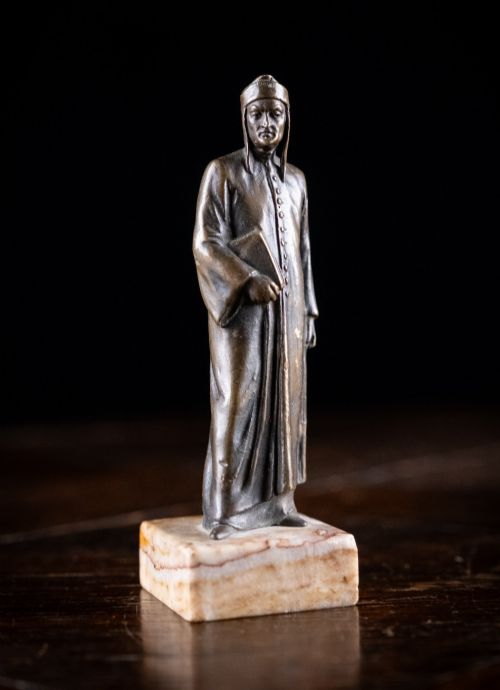
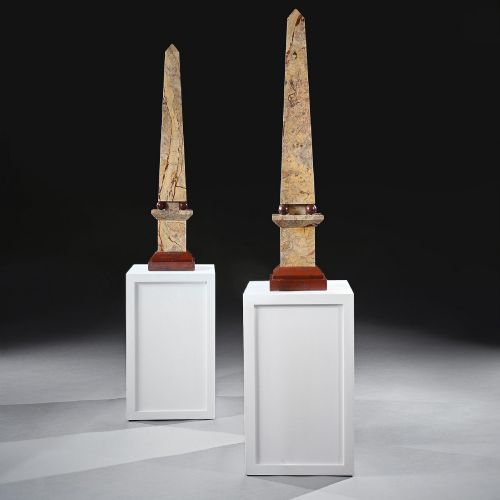
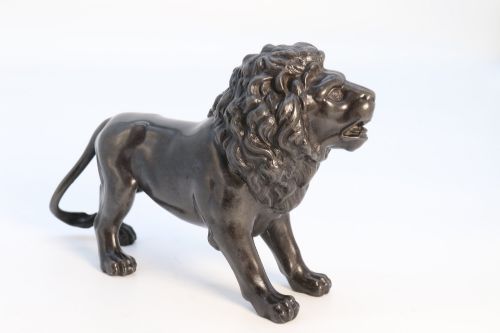
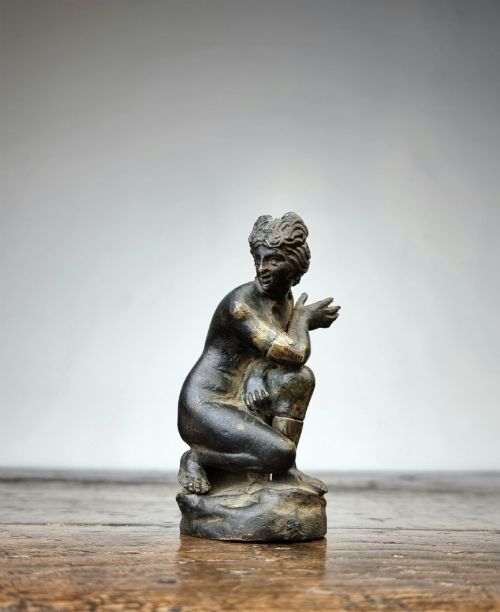
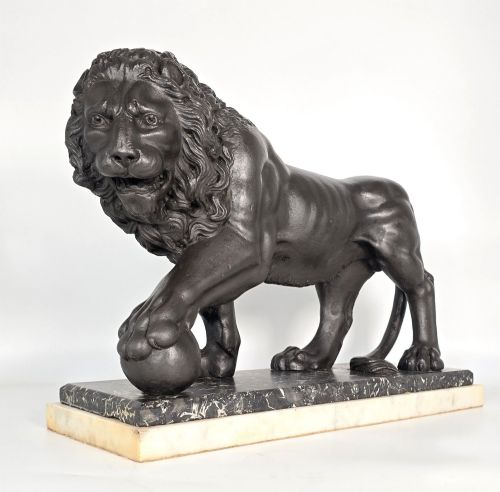
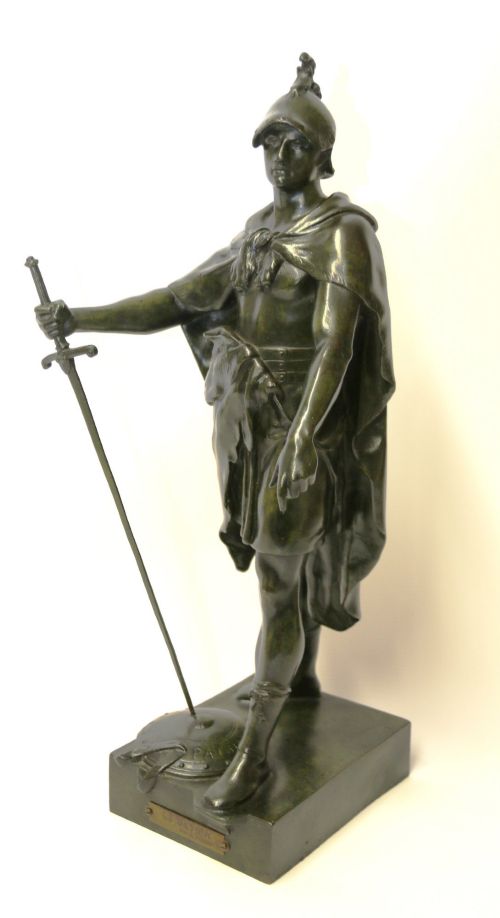
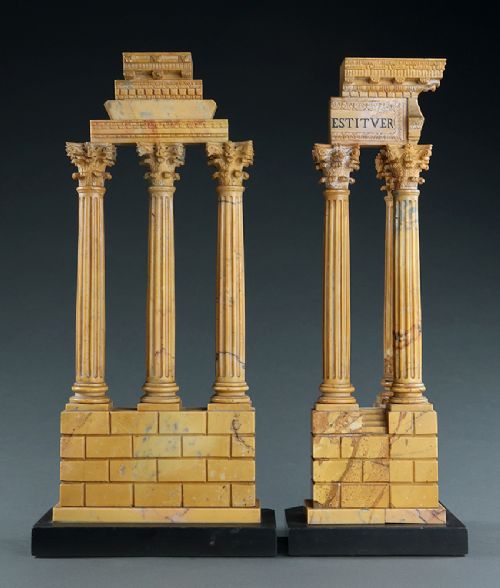
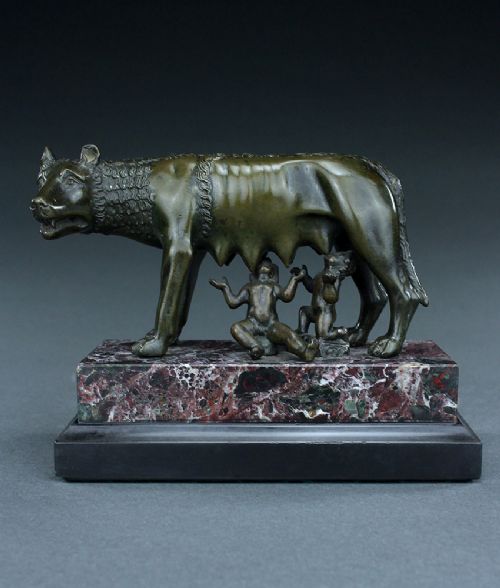
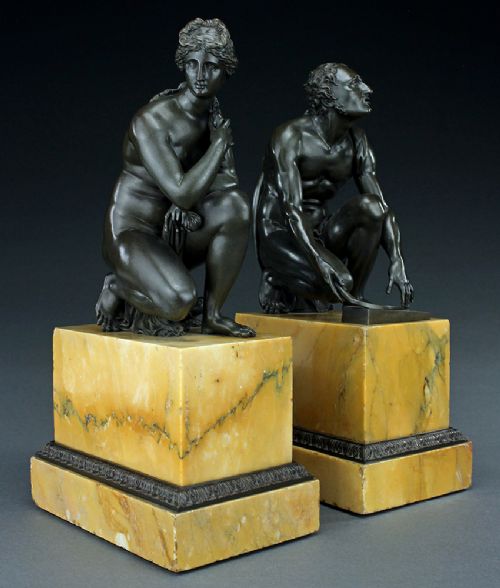
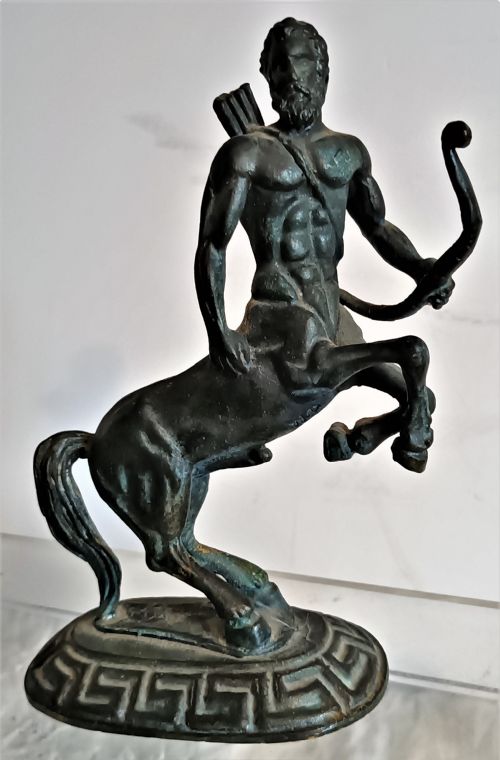
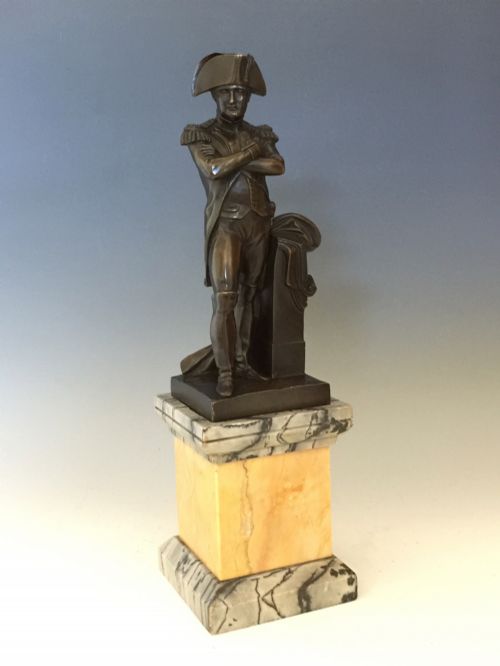
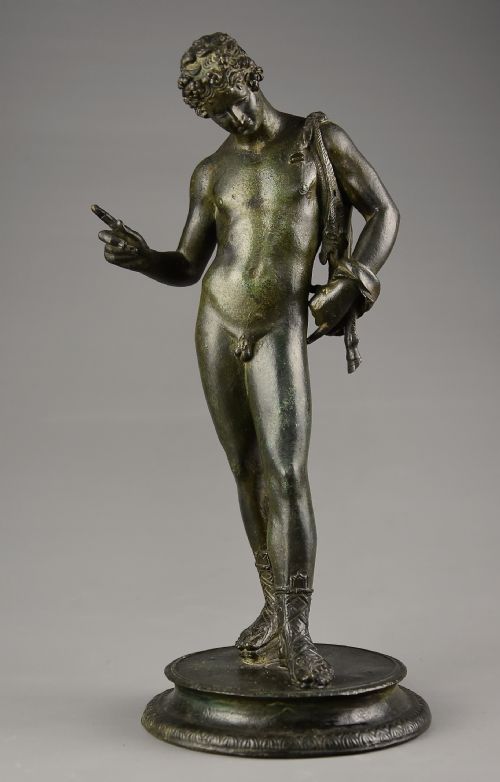
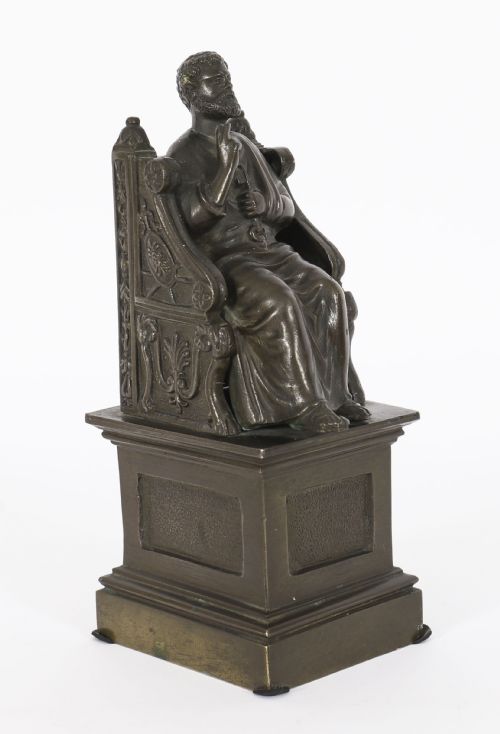
A classical desk ornament is typically a small bronze sculpture, statuette, or marble architectural model created to decorate a writing surface or library table. These pieces draw heavily on historical subjects, ranging from Roman lions and mythological figures to miniature temple obelisks.
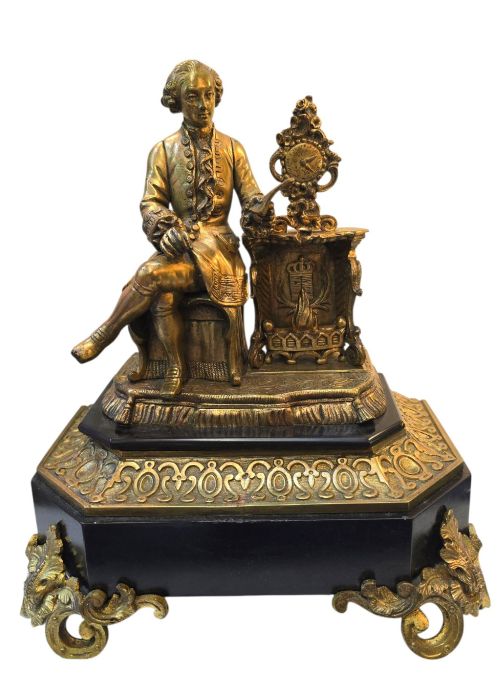
The versions most commonly met on this page are Grand Tour souvenirs and nineteenth-century French cabinet bronzes. These objects reflect a long-standing European fascination with classical antiquity, capturing ancient forms in portable formats suitable for domestic display.
Materials and casting techniques
The physical presence of these pieces relies heavily on cast bronze, often treated with dark or green patination to mimic excavated antiquities, alongside gilded finishes like ormolu. Many sculptures are mounted directly onto heavy plinths or bases formed from decorative stone.
Marbles such as Siena, Portasanta, Rosso Antico, and veined Carrara provide contrasting colour and weight for bases, columns, and architectural models. These materials were laboriously cut, turned, and polished to frame the metalwork above.
Materials recorded across the inventory include bronze, ormolu, pewter, terracotta, and seven distinct varieties of decorative marble.
Distinguishing quality in small sculptures
The choice and execution of the stone base also signal superior manufacture, seen in tight joints, rich natural veining, and stable mounting. A well-proportioned pairing of bronze and marble elevates an ordinary casting into a cohesive cabinet piece.
Émile Louis Picault·Eugène Désiré Piron·Carl Kauba·Joseph Gott·Paul Fournier
The Classical Desk Ornament Glossary
- Grand Tour
- A traditional trip through Europe, notably Italy, undertaken by upper-class young men to absorb classical art and culture. The souvenirs they brought home form the core of many nineteenth-century collections.
- Patinated bronze
- Bronze that has been treated with chemical solutions to produce a specific surface colour or aged finish. This technique protects the metal and mimics the appearance of buried antiquities.
- Ormolu
- Gilded bronze produced by applying a mercury and gold amalgam to the metal surface and heating it. The technique creates a rich, durable golden finish popular in decorative arts.
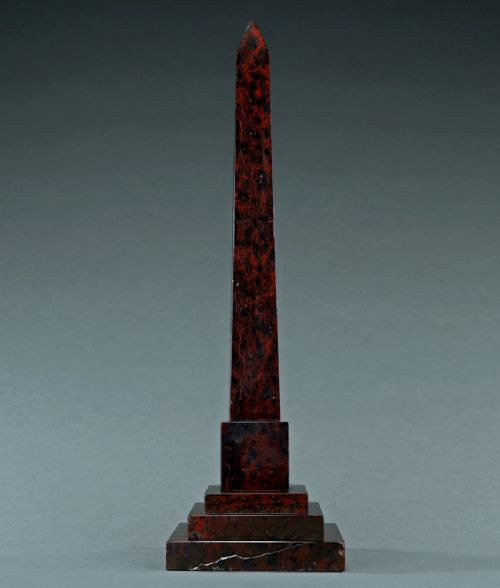
- Obelisk
- A tall, four-sided, narrow tapering monument which ends in a pyramid-like shape at the top. In desk ornaments, these are frequently rendered in coloured marbles.
- Neoclassical
- A Western cultural movement drawing inspiration from the art and culture of classical antiquity. It prioritises symmetry, proportion, and classical subjects.
Classical Desk Ornament: Frequently Asked Questions
What are classical desk ornaments made of?
These pieces are constructed primarily from cast bronze, frequently finished with patination or gilt details. Many incorporate distinct varieties of decorative marble for their bases or architectural elements.
Secondary materials include pewter and terracotta in specific nineteenth-century studies. The combination of metal figure and stone plinth remains standard across the category.
How were these decorative objects used?
They were designed to sit upon writing desks, library tables, and mantelpieces in private studies and parlours. Owners utilised them as paperweights, conversation pieces, and visible markers of classical education.
Travellers returning from continental Europe also displayed them to record their journeys through Italy and Greece. Their scale allowed grand architectural forms to fit comfortably within domestic interiors.
How do I care for a bronze and marble desk ornament?
Keep the piece away from direct sunlight and fluctuating humidity to protect both the metal patina and the polished stone base. Dust gently with a soft, dry cloth without applying modern chemical polishes.
Wax can occasionally be used on bronze by experienced collectors, but natural oils from hands should be avoided on bare metal surfaces. Marble bases require only a dry wipe to maintain their polished finish.
How can I tell a Grand Tour piece apart from other nineteenth-century bronzes?
Grand Tour pieces directly replicate famous Roman and Greek antiquities, such as specific statues housed in Italian museums or architectural monuments in Rome and Naples. They often feature characteristic dark patination designed to evoke ancient finds.
They are frequently mounted on distinctive coloured Italian marbles like Siena or Rosso Antico. The subjects lean heavily towards lions, mythological deities, and miniature temples rather than contemporary genre scenes.