


Classical Ceiling Pendant
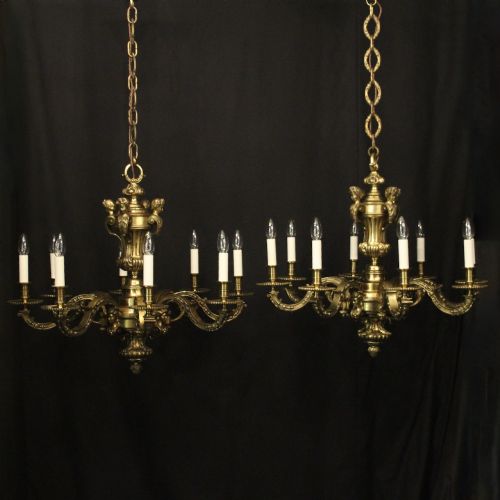
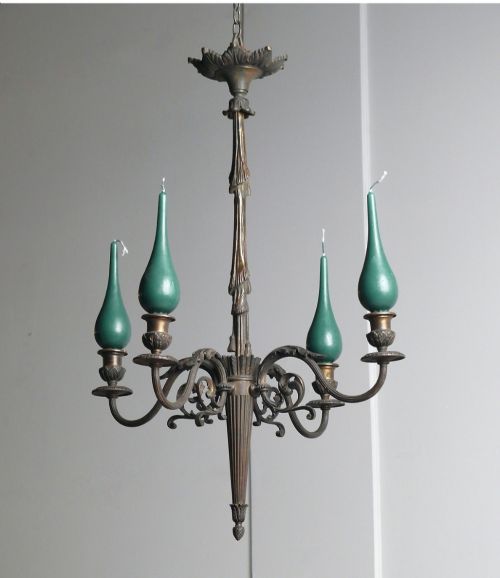
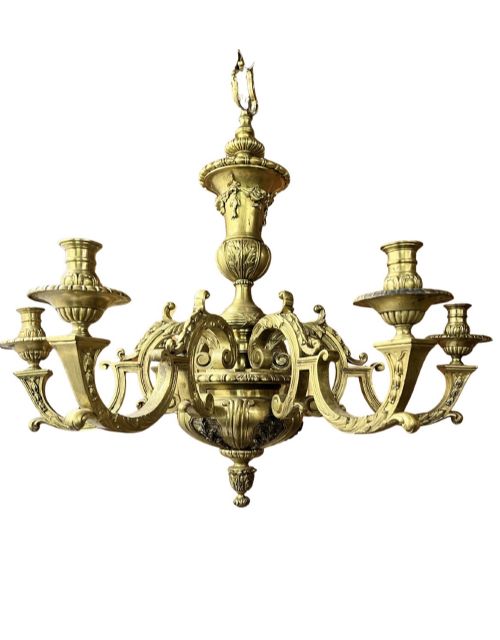
A classical ceiling pendant brings enduring proportion and dignity overhead, channelling historical forms from French Empire to Italian Baroque.
Classical Ceiling Pendant
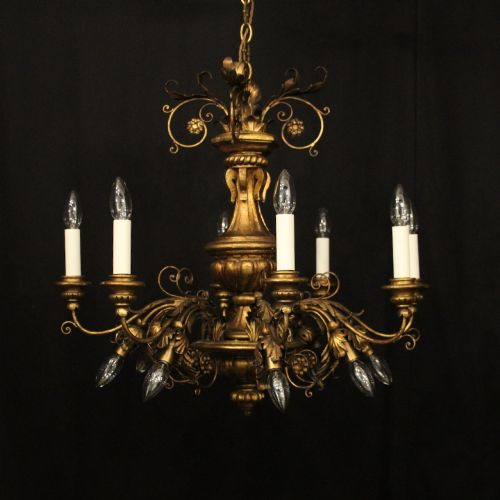
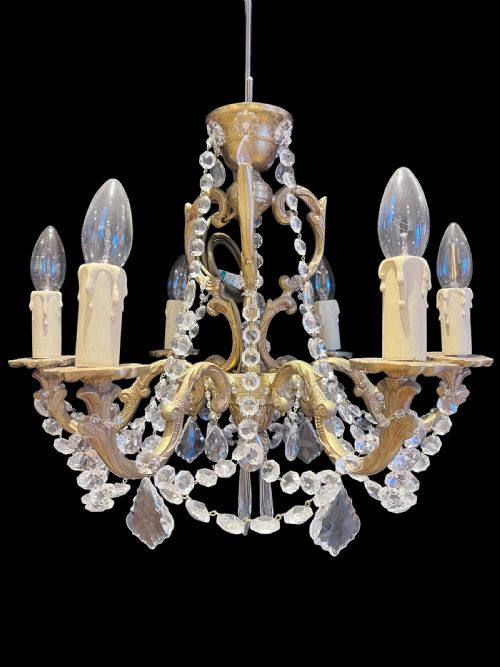
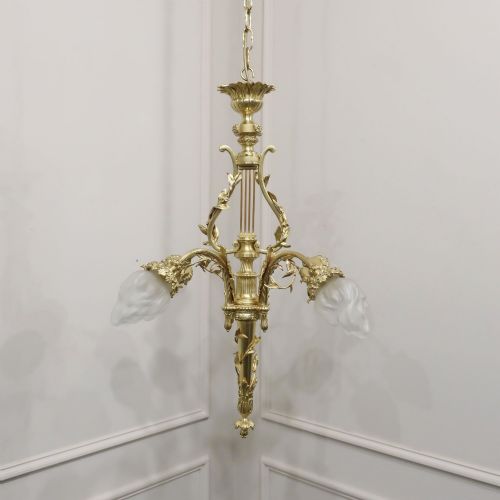
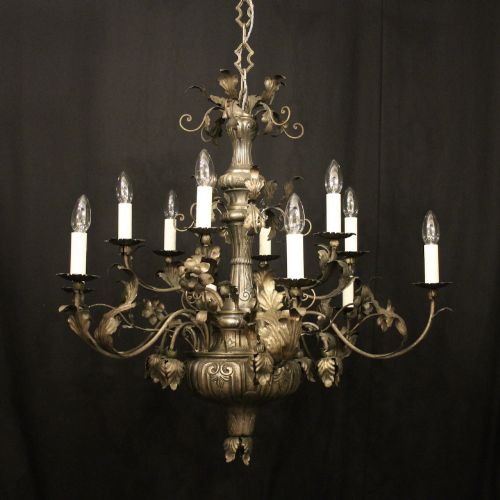
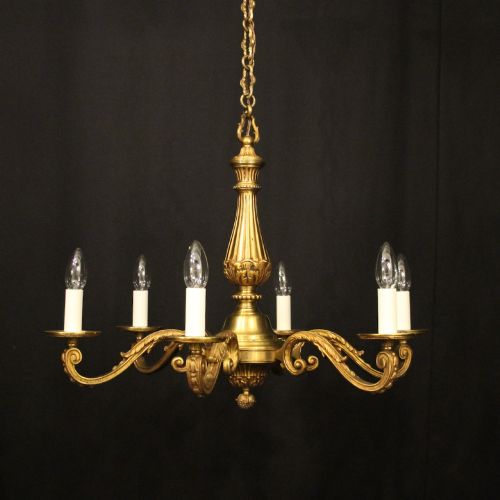
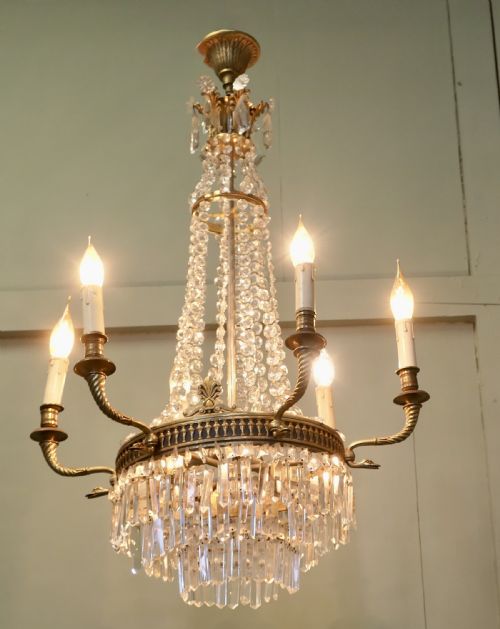
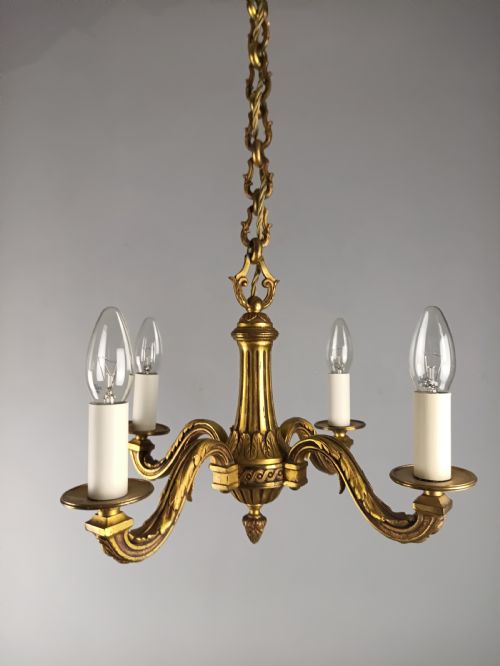
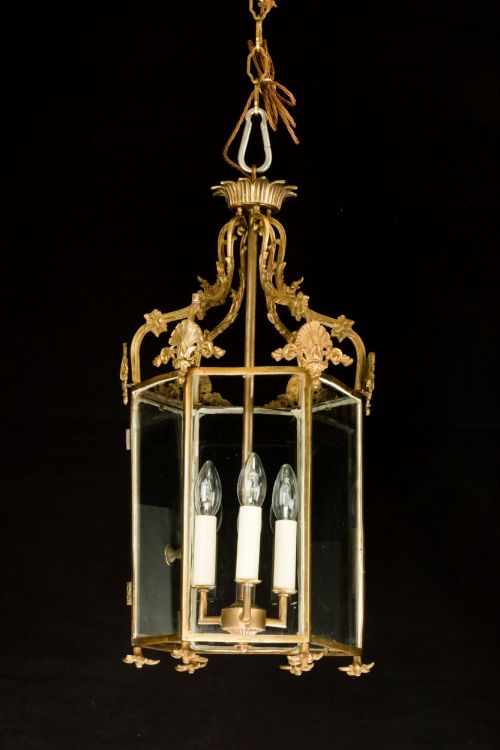
A classical ceiling pendant encompasses grand multi-light chandeliers and restrained hall lanterns spanning the nineteenth century through the 1930s. Buyers investigating a classical ceiling pendant encounter sturdy cast bronze fixtures, elegant tent and waterfall arrangements, and restrained alabaster dishes.
French taste dominates the selection, ranging from French Neoclassical lyre designs to ornate French Rococo and Louis XVI styles. English and Italian workshops contribute alternative interpretations, including heavy Baroque ormolu and painted glass plafonniers.
Materials and construction
Foundries cast these heavy fixtures in brass, bronze, and gilt bronze, often highlighting details through fire gilding or silver gilding. Artisans combined these metals with cut crystal drops and polished glass panels to catch and refract light across high ceilings.
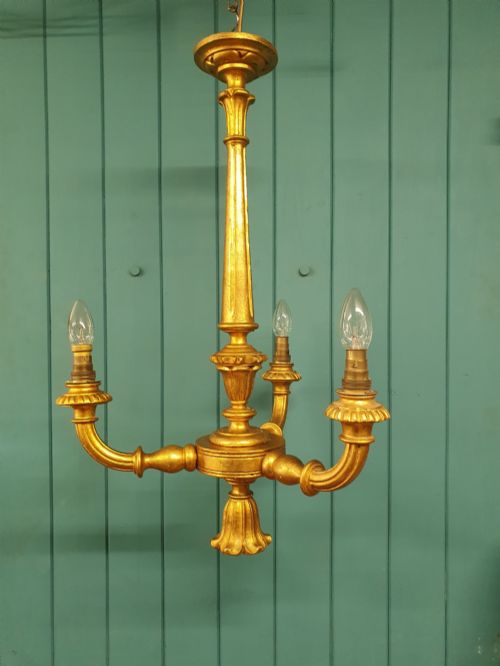
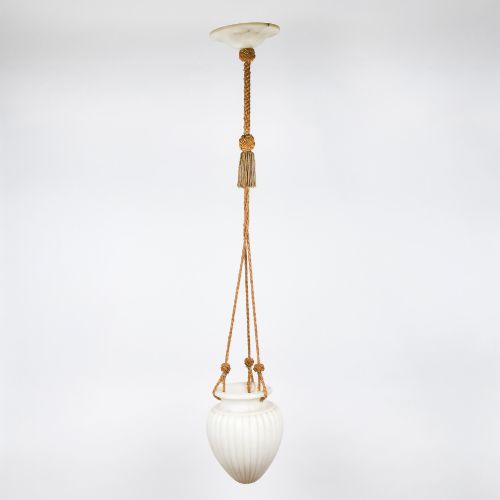
Carved giltwood and white alabaster appear in specific architectural contexts, offering contrasting textures of matte stone or gilded timber. Frame construction relies on bolted tiers, heavy chains, and substantial ceiling roses designed to support considerable weight safely.
Classical Ceiling Pendant Retail Price Guide 2026
Typical asking prices for classical ceiling pendant among the pieces listed under this phrase on Sellingantiques today, from the lower quarter to the upper quarter. They describe what is for sale here now, not the wider market.
Materials span cast bronze, gilt brass, and crystal, originating from nineteenth-century workshops up to the 1930s.
Gradations of quality
Distinction rests in the crispness of the casting and the depth of the metal finishing, particularly where hand-chasing defines acanthus leaves and classical motifs. Superior examples maintain strict symmetry across multiple tiers and retain their original gilding without excessive rubbing.
The integration of crystal elements dictates overall brilliance, with hand-cut prisms creating sharper light dispersion than pressed glass alternatives. Heavier gauge brass and solid bronze frameworks ensure structural integrity over decades of hanging.
The Classical Ceiling Pendant Glossary
- Ormolu
- Gilded bronze produced through a mercury amalgamation technique common in French decorative arts. This finish yields a deep, warm metallic lustre.
- Plafonnier
- A ceiling-mounted light fixture, often featuring a glass bowl or shade held close to the plaster. These suit rooms with restricted vertical clearance.
- Tent and waterfall
- A chandelier configuration where strings of crystal beads form an upper conical tent above a cascading shower of drops. This arrangement maximises light refraction.
- Hall lantern
- An enclosed ceiling pendant designed primarily for entranceways and corridors. Panels of glass protect the internal candle or electric light sources from draughts.
Classical Ceiling Pendant: Frequently Asked Questions
How do I choose the right size?
Consider both room dimensions and ceiling height when selecting a heavy multi-armed fixture or a compact hall lantern. Larger multi-tiered chandeliers demand substantial floor space to balance their visual weight.
Measuring the drop from the ceiling ensures the lower tier clears human traffic while remaining a focal point within the room.
Are these converted for electricity?
Most antique fixtures arrive adapted for modern electrical wiring while retaining their historic metalwork and candle tubes. Rewiring preserves the visual integrity of the original arms and sockets.
Professional installation is recommended due to the substantial weight of cast bronze and crystal components.
What defines a French Empire style?
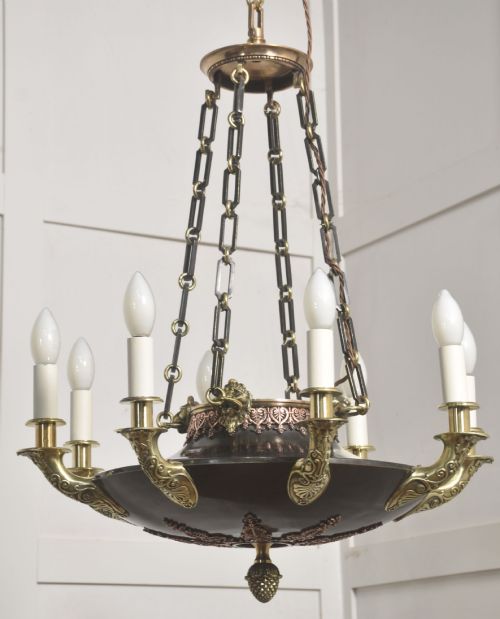
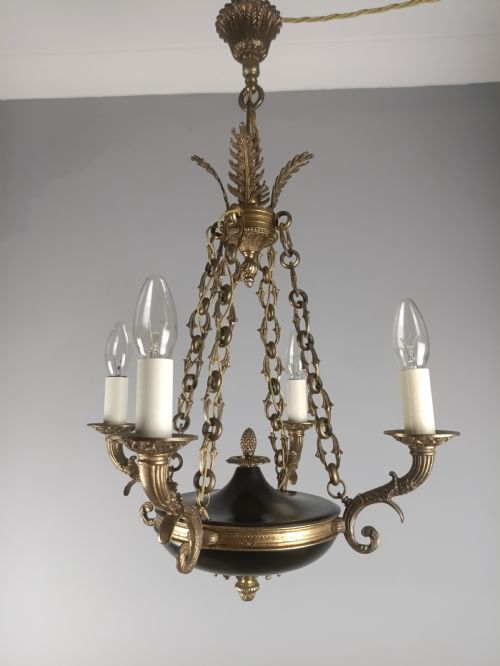
French Empire lighting draws on neoclassical military and classical motifs popular during the early nineteenth century. Expect symmetrical arrangements featuring laurel wreaths, sphinxes, and classical urns.
These pieces utilise gilt bronze and patinated bronze to create striking tonal contrasts.
How do I clean crystal drops?
Remove delicate glass and crystal elements individually to wash them in lukewarm water with mild soap. Gentle cleaning restores the original sparkle without damaging historic pins or wiring.
Allow each piece to dry thoroughly before rehanging them on the metal frame.