


Classical Ceiling Light
A classical ceiling light brings architectural symmetry and warm illumination overhead, turning everyday rooms into formal salons through enduring motifs.
Classical Ceiling Light
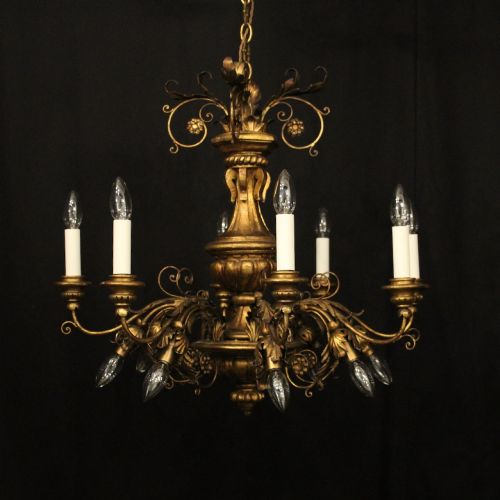
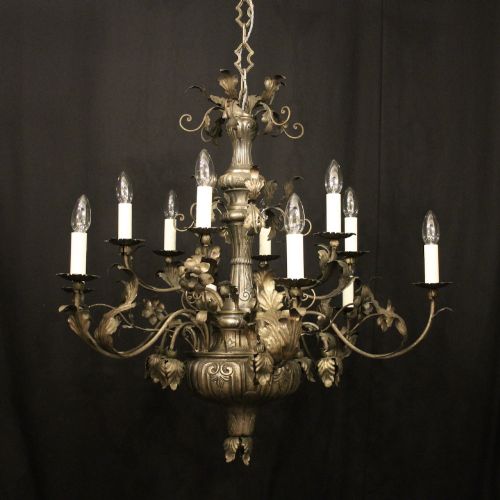
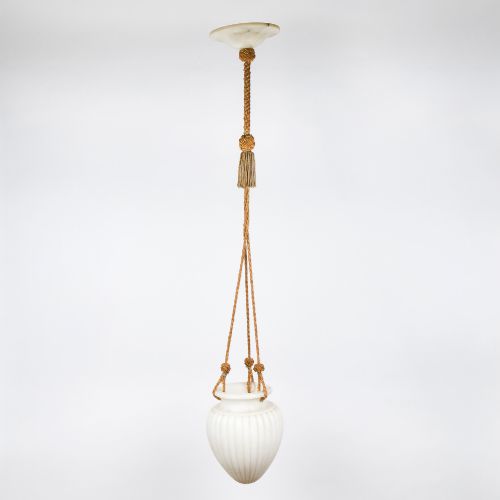
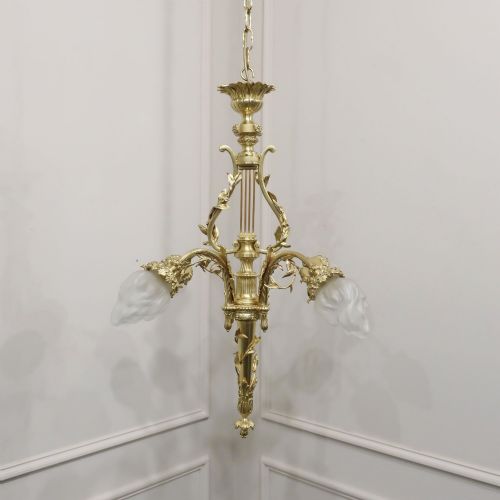
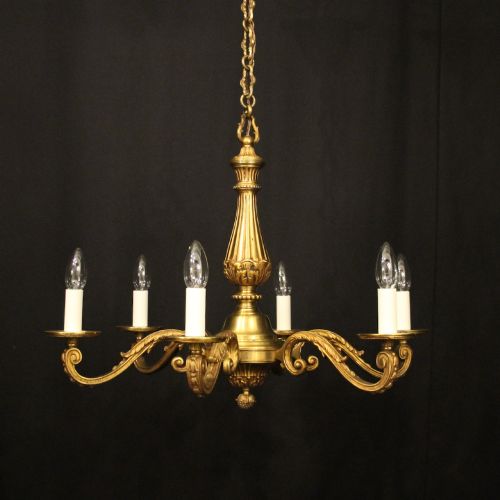
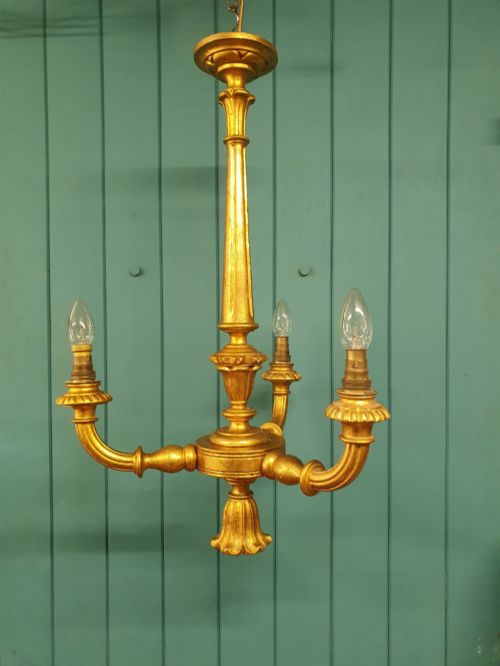
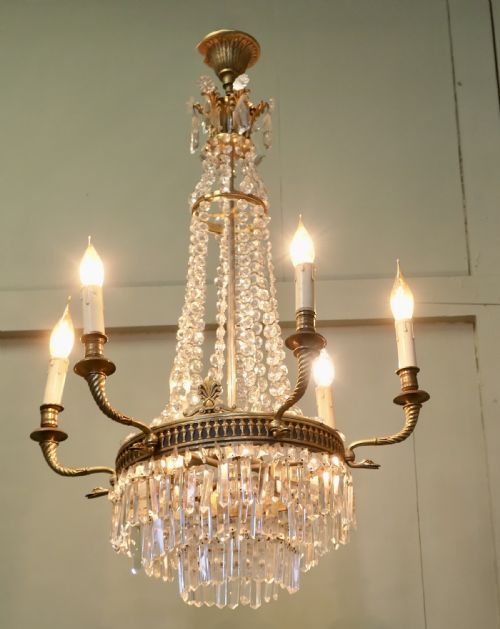
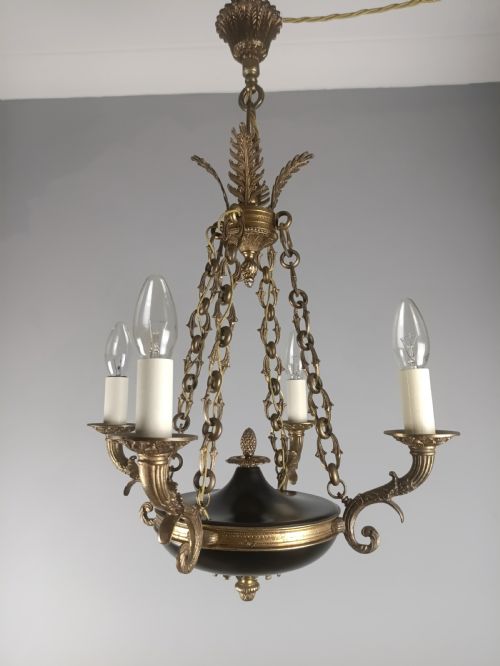
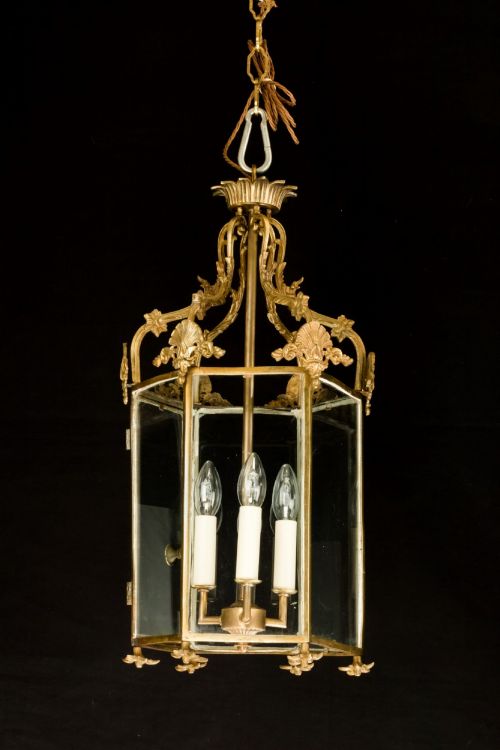
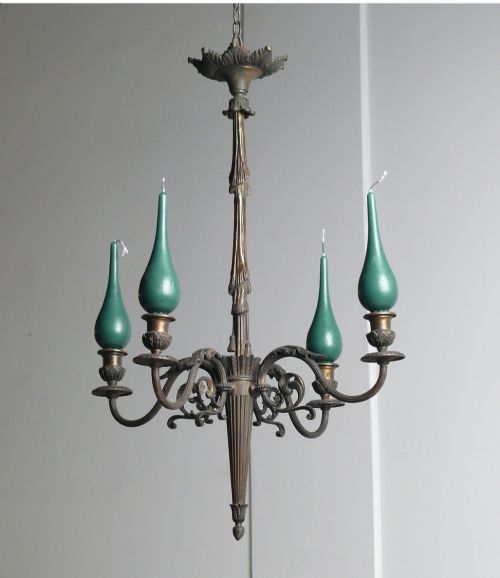
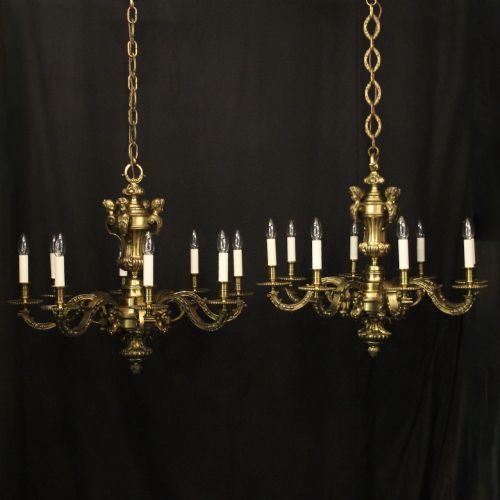
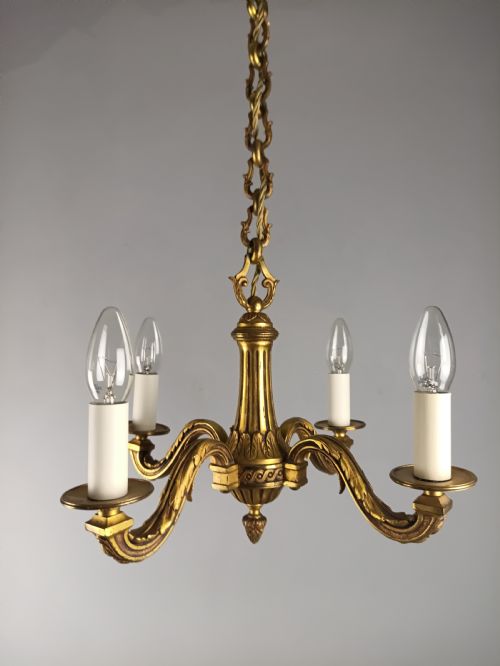
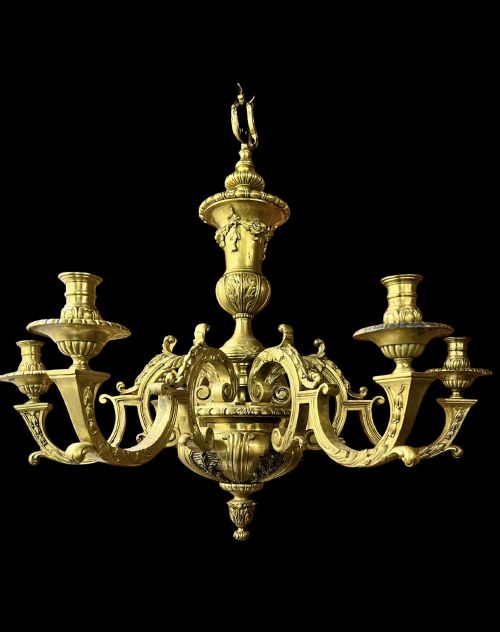
A classical ceiling light encompasses grand chandeliers, multi-tiered brass fixtures, and convex hall lanterns designed to anchor large spaces with dignified proportion. When exploring this selection, buyers most frequently encounter French chandeliers alongside Italian giltwood pieces and English alabaster dishes.
The inventory spans from the nineteenth century through the early twentieth century, taking in Edwardian examples and specific decades up to nineteen thirty. Pieces range from modest four-light configurations to twelve-light structures adorned with cut glass.
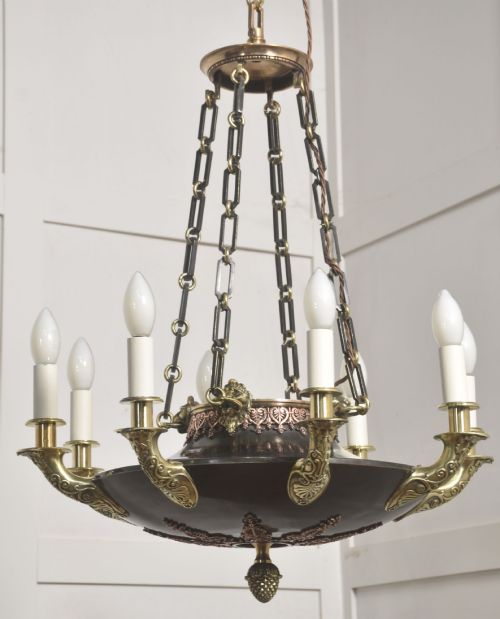
Stylistic influences lean heavily toward French neoclassical, empire, and baroque revivals, where symmetry and ornamental restraint dominate. These fixtures serve as the central focal point of a room, bridging historical design with practical domestic lighting.
Casting metals and cutting crystal
Makers shaped these fixtures using cast bronze, heavy brass, and copper, often applying layers of gold leaf or silver gilt to create rich metallic surfaces. Gilt bronze and ormolu provide a durable, luminous finish that reflects candlelight and early electric bulbs with equal brilliance.
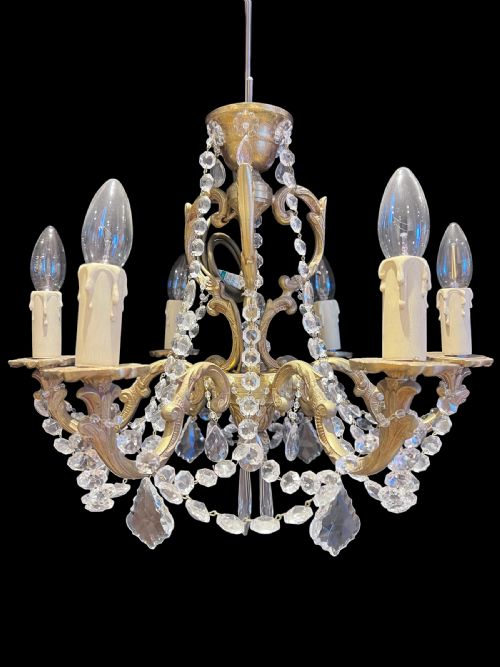
Crystal drops, cut glass panels, and white alabaster bowls introduce varied textures that diffuse illumination across ceilings and walls. Carved giltwood frames supply a lighter wooden alternative to heavy metal castings, utilising intricate floral and geometric motifs.
Classical Ceiling Light Retail Price Guide 2026
Typical asking prices for classical ceiling light among the pieces listed under this phrase on Sellingantiques today, from the lower quarter to the upper quarter. They describe what is for sale here now, not the wider market.
Some nineteenth-century brass lanterns required a nimble servant with a long pole to extinguish the internal candles before bedtime.
Distinctions in casting and assembly
Quality reveals itself in the crispness of bronze and brass castings, where finer examples retain sharp leaf and dart details without softening. The depth of the gilding and the clarity of the cut glass or crystal drops further separate standard production from superior workshop output.
Structural integrity depends on how securely arms, tiers, and hanging tent formations join together beneath the ceiling rose. Superior examples exhibit heavy, substantial metalwork where components fit tightly without visible gaps or misalignment.
The Classical Ceiling Light Glossary
- Chandelier
- A branched decorative ceiling light designed to hold multiple light sources. These fixtures hang suspended from chains or rods and often incorporate crystal drops to amplify brightness.
- Plafonnier
- A bowl-shaped or flat glass ceiling light shade mounted flush or semi-flush against the ceiling. This form directs illumination downward while concealing the bulb.
- Ormolu
- Gilt bronze produced by applying a mercury and gold amalgam to cast bronze. The technique yields a rich golden surface that resists tarnishing over decades.
- Tent and waterfall
- A chandelier configuration featuring strings of glass beads gathered in a conical tent shape above a cascading shower of crystals. This arrangement maximises light refraction across formal interiors.
- Hall lantern
- An enclosed ceiling light, frequently glazed on four sides with a brass or bronze frame. These fixtures originally illuminated entrance hallways and stairwells.
Classical Ceiling Light: Frequently Asked Questions
How do I choose the right size?
Consider the proportions of your room and the height of your ceiling before selecting a multi-light fixture. Larger multi-tiered chandeliers require substantial vertical space to hang comfortably without overwhelming the furniture below.
Smaller spaces benefit from single-tier lanterns or flush plafonnier shades that maintain adequate clearance beneath them.
Can these lights use modern bulbs?
Most antique fixtures accommodate modern electrical wiring and standard screw or bayonet fittings installed by a qualified electrician. It remains sensible to check that the internal lampholders meet current safety regulations.
Low-wattage LED candle bulbs replicate the warm glow of historical lighting while generating minimal heat near vintage metal and glass.
How do I clean crystal components?
Remove delicate glass drops and crystal garlands carefully before washing them in warm soapy water with a mild detergent. Dry each piece with a lint-free cloth to restore its reflective brilliance before rehanging.
Metal frames require gentle dusting with a soft brush to protect patinated bronze and fragile gilt surfaces from abrasion.
What defines Empire style lighting?
Empire style draws heavily on classical Roman and Greek motifs, featuring military emblems, stars, laurel wreaths, and sphinxes. These fixtures project a monumental presence through disciplined symmetry and rich bronze or ormolu construction.
Tent and waterfall arrangements frequently accompany this aesthetic to heighten the sense of neoclassical grandeur.