



Classical Ceiling Lamp
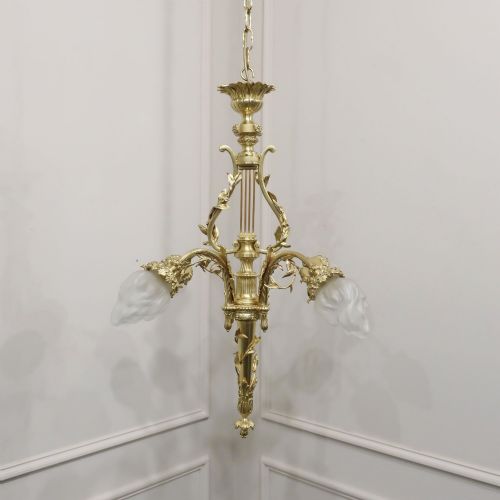
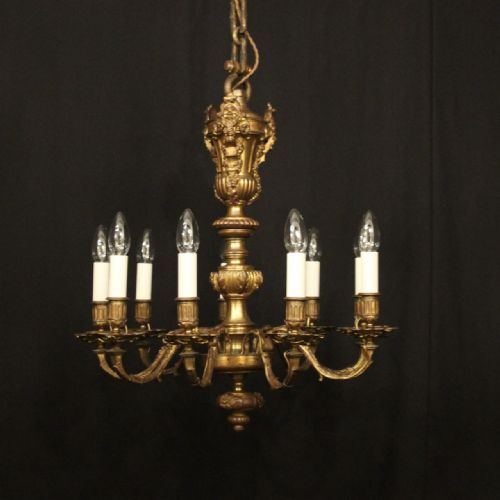
A classical ceiling lamp brings enduring architectural dignity to a room, offering warm illumination through polished metal and cut glass.
Classical Ceiling Lamp
A classical ceiling lamp represents an overhead lighting fixture drawn from historical design vocabulary, spanning several centuries and revival movements. When searching for a classical ceiling lamp, a buyer encounters pieces originating from the nineteenth and early twentieth centuries, drawing heavily upon French stylistic traditions.
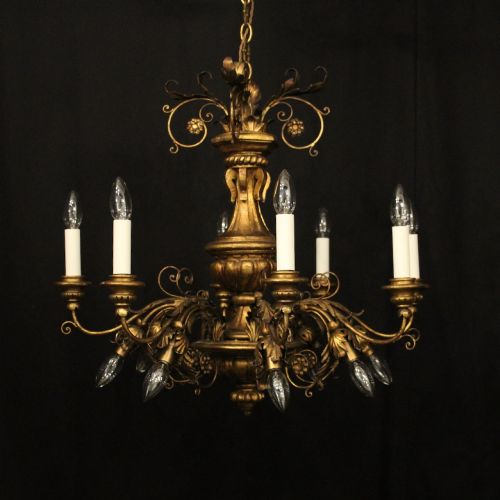
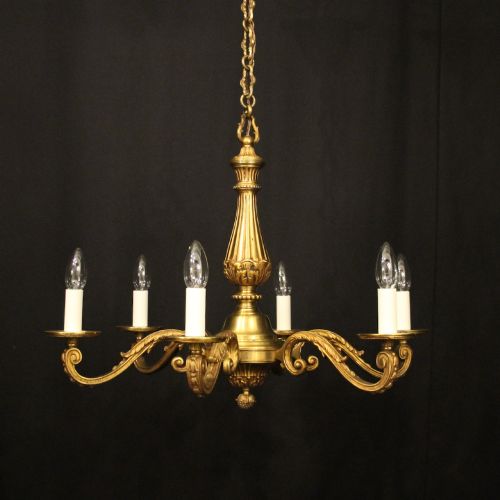
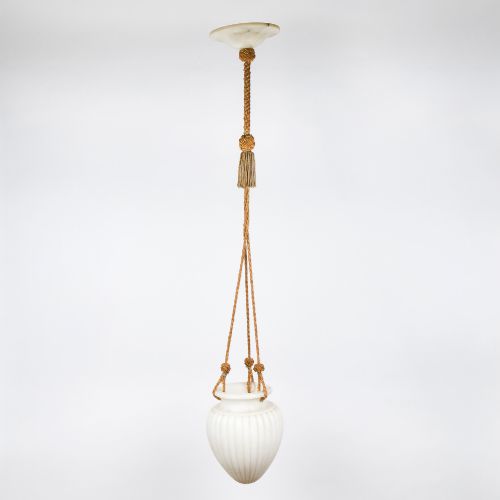
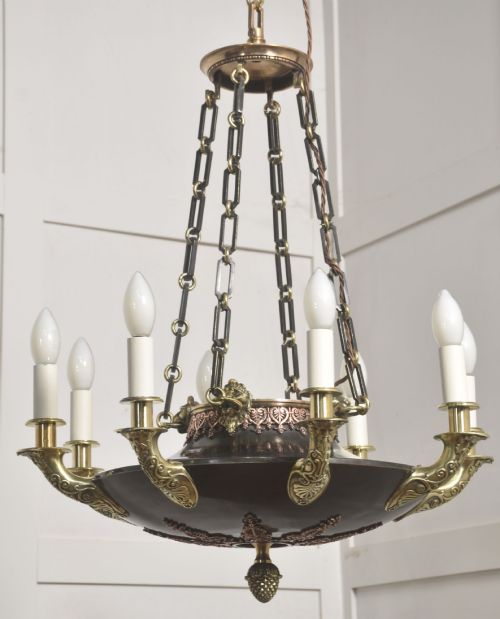
The selection here encompasses diverse forms, predominantly multi-light chandeliers alongside pendant lights and ceiling lanterns. Pieces range from modest configurations of six lights up to twelve-branch arrangements designed for larger interior spaces.
Most items on this page reflect continental European influences, particularly French Neoclassical, Louis XVI, and Empire Revival styles. These fixtures often combine substantial cast metal structures with decorative glass or crystal elements.
How they were made
Makers utilised cast bronze, brass, and copper to form the robust structural skeletons of these lamps, frequently applying a gilt or gilded finish to the metal surfaces. Bronze castings provide the necessary weight and rigidity to support multiple arms and hanging crystal droplets.
Translucent materials such as white alabaster and cut glass are incorporated to diffuse the electric or gas illumination effectively. Hand-cut glass prisms and crystal elements are wired or pinned into place to catch and refract light across the room.
Suspension methods rely upon durable hardware, including braided cord or matching metal chains attached to ceiling canopies. Structural components demonstrate traditional metalworking techniques such as casting, chasing, and gilding.
Classical Ceiling Lamp Retail Price Guide 2026
Typical asking prices for classical ceiling lamp among the pieces listed under this phrase on Sellingantiques today, from the lower quarter to the upper quarter. They describe what is for sale here now, not the wider market.
Listings feature pieces spanning the nineteenth century through the early twentieth century, including Edwardian and 1930s variations.
What varies in quality
The crispness of the metal casting and the depth of the chasing separate standard examples from finer commissions. Finer fixtures exhibit sharply defined acanthus leaves, urns, and lyre motifs rather than softened, mass-produced contours.
The quality of the glass and crystal dressing dictates the brilliance of the piece when illuminated. Hand-cut lead glass and well-polished alabaster bowls display superior light refraction compared to simpler pressed glass alternatives.
Engineering and scale also determine the calibre of a lamp, with heavier multi-branch structures requiring sophisticated internal framing. The integrity of the original mercury gilding or fire-gilt surfaces preserves the intended visual warmth of the metal.
The Classical Ceiling Lamp Glossary
- Ormolu
- Finely chased bronze that has been coated with a gold amalgam. This technique creates a rich, durable golden surface characteristic of high-end French lighting.
- Lyre
- A symmetrical musical instrument shape frequently used as a central decorative motif in Neoclassical design. It often forms the vertical spine of a chandelier.
- Alabaster
- A fine-grained, translucent stone used for bowls and shades. It allows light to pass through with a soft, even glow.
- Chandelier
- A branched, suspended lighting fixture designed to hold multiple bulbs or candles. They serve as primary overhead illumination in formal rooms.
- Palladian
- An architectural and decorative style based on symmetry and classical proportions. Fixtures of this style emphasise formal balance and robust classical ornamentation.
Classical Ceiling Lamp: Frequently Asked Questions
How do I clean a crystal chandelier?
Maintenance involves wiping individual glass drops and metal arms with a soft, lint-free cloth dampened with a mild cleaning solution. Avoid using harsh chemical sprays that might damage the gilt or bronze finishes.
For intricate fixtures, clean components in place rather than dismantling the wiring. Regular dusting prevents grime buildup on the cut glass and preserves its reflective clarity.
How do I identify a French Louis XVI style lamp?
Louis XVI style lighting is characterised by straight geometric lines, symmetry, and classical motifs such as ribbons, urns, and floral garlands. Unlike earlier ornate styles, this aesthetic favours restrained rectangular or circular geometry.
Bronze or gilt finishes are paired with cut glass or crystal to maintain an air of refined proportion. The overall silhouette remains orderly and restrained rather than exuberant.
What ceiling height do I need?
A hanging light requires sufficient clearance beneath it for people to walk underneath comfortably, typically leaving at least seven feet of space from the floor. Larger multi-branch fixtures are best suited to rooms with generous proportions and elevated ceilings.
Shorter pendant lights or flush ceiling lanterns work effectively in spaces with standard room heights. Measuring the drop length helps determine whether a specific chandelier fits the intended room.