
Classical Canvas Painting
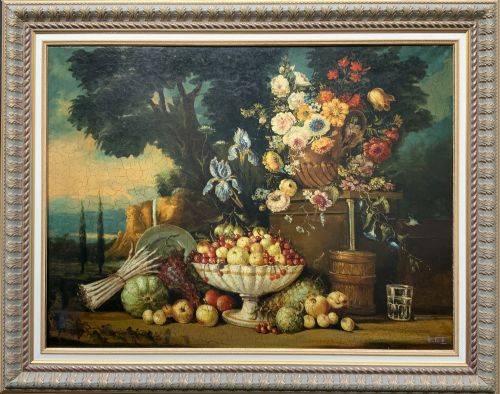
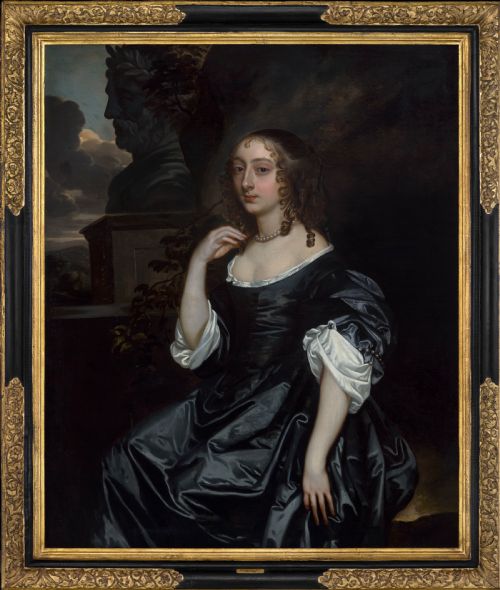
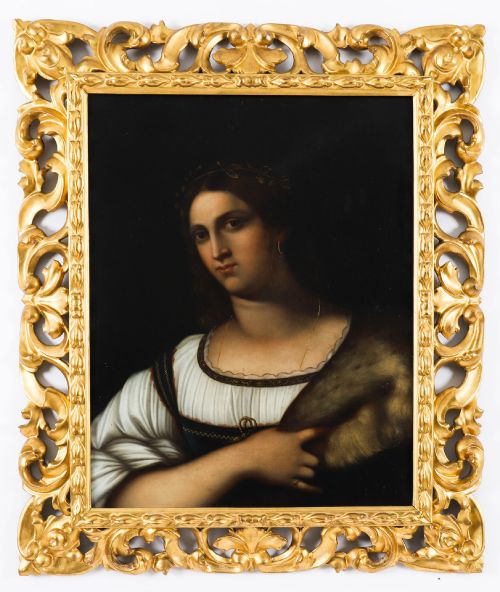
A classical canvas painting brings centuries of European portraiture, landscape and still life into a room with traditional presence.
Classical Canvas Painting
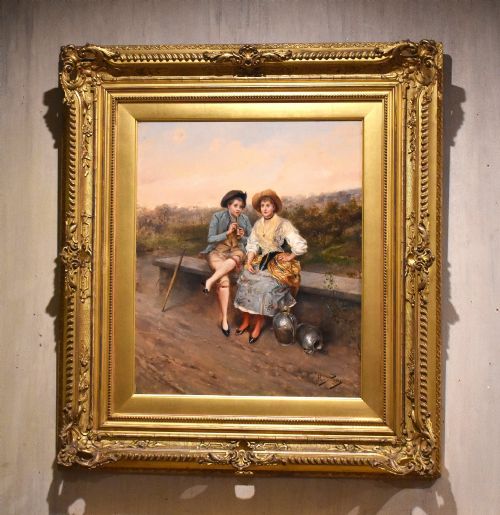
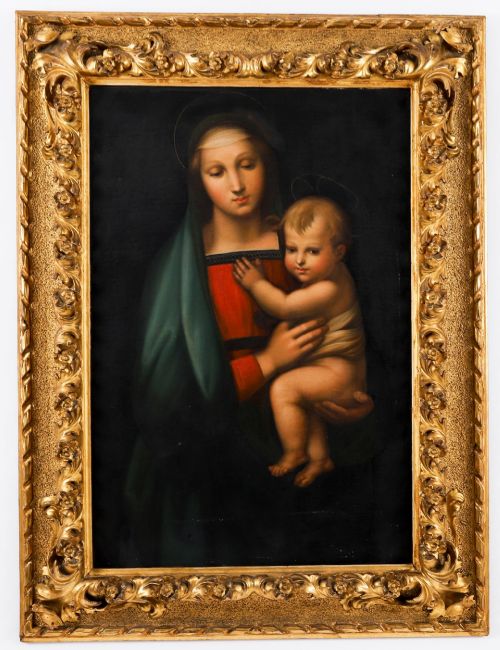
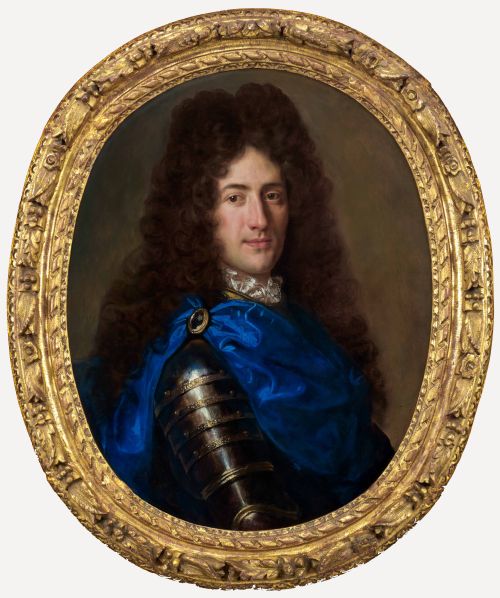
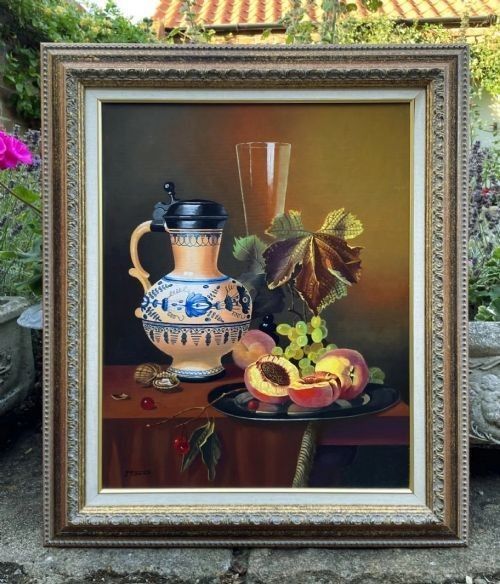
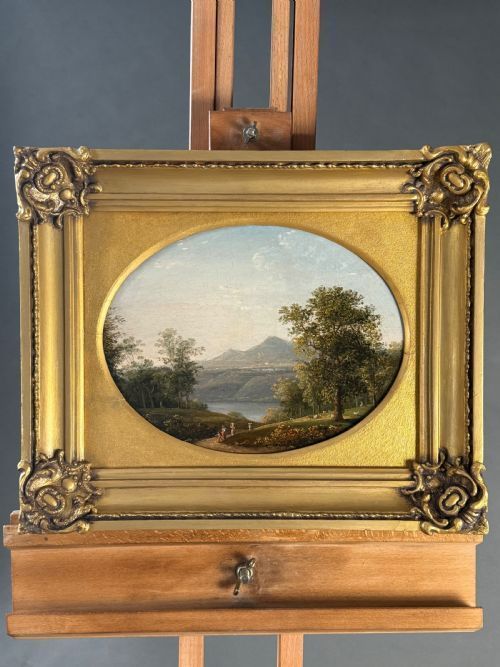
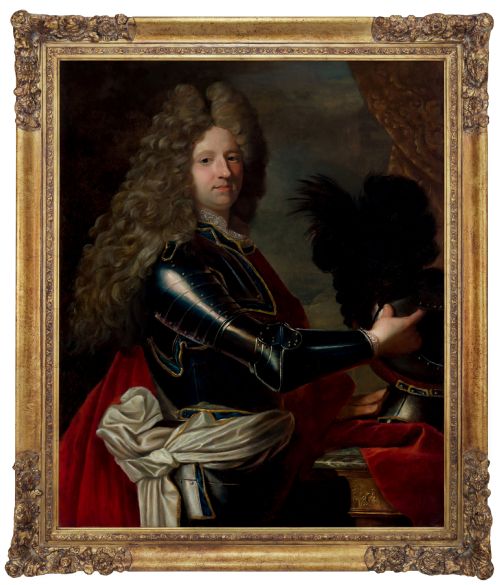
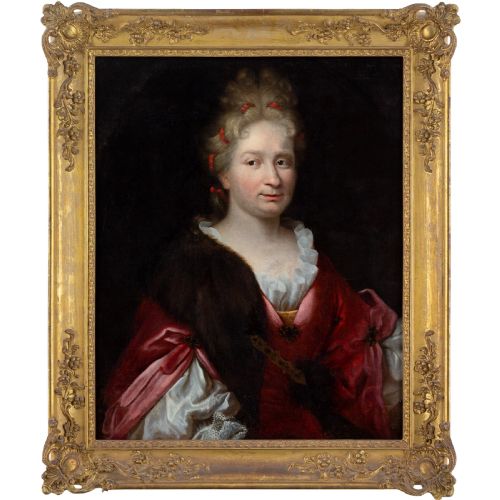
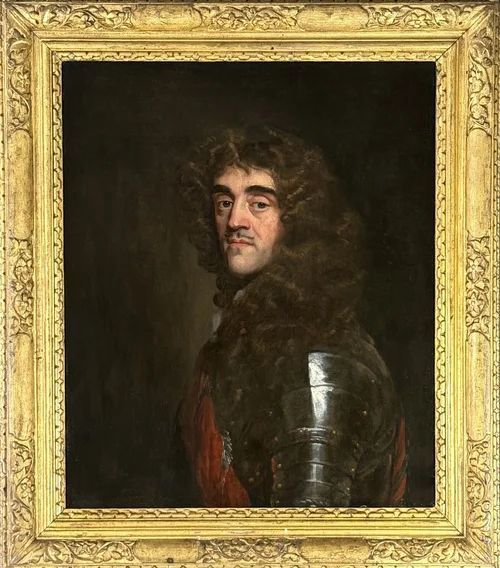
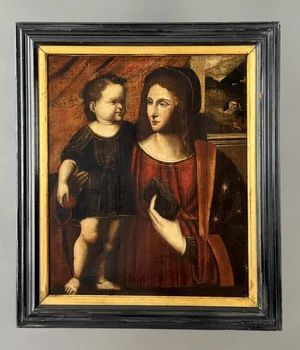
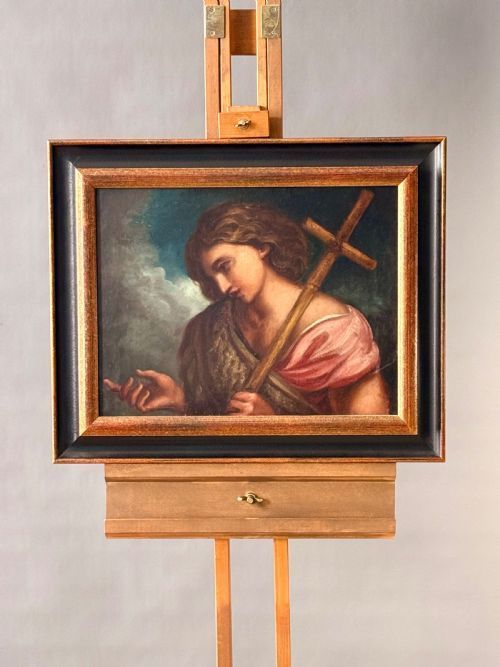
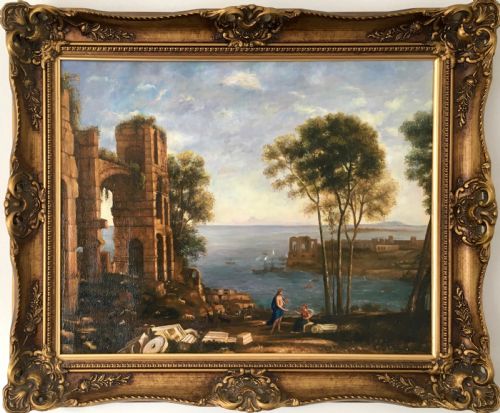
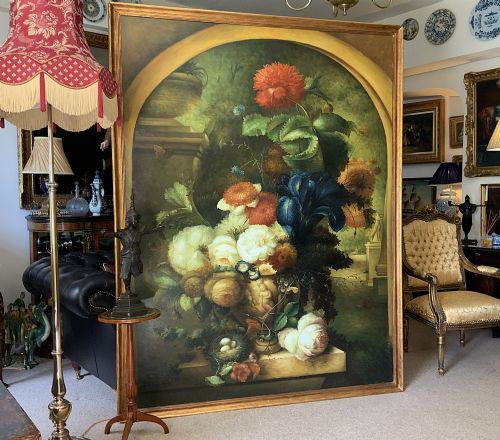
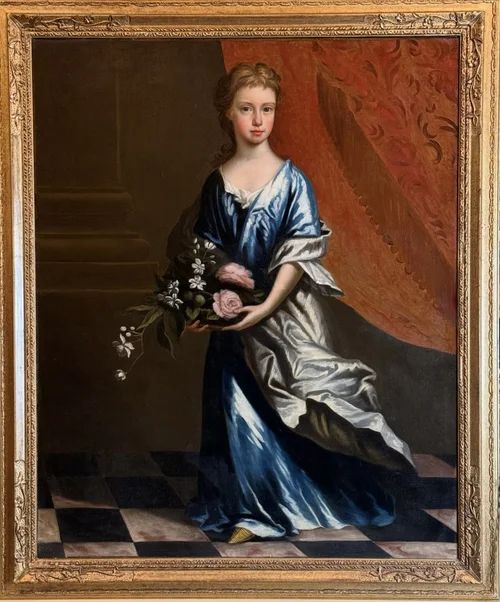
A classical canvas painting encompasses centuries of fine art spanning the seventeenth through the nineteenth centuries alongside later derivative works and grand tour pieces. Buyers seeking a classical canvas painting encounter formal oil portraits, pastoral landscapes, and floral still lifes executed in established European styles.
The selections on this page range from seventeenth-century British and Dutch portraiture to eighteenth-century mythological scenes and nineteenth-century academic compositions. Most examples utilise oil on canvas stretched over wooden frames, frequently housed within period giltwood surrounds.
Works attributed to regional schools sit alongside studio copies after masters such as Sir Peter Lely, Raphael, and Leonardo da Vinci. This variety allows collectors to select pieces representing specific European movements from Baroque to Neoclassical.
How They Were Made
These artworks rely upon traditional application of oil paint onto woven canvas substrates stretched across rigid wooden frames. Painters built up compositions through successive layers of ground, underpainting, and translucent glazes to achieve depth and luminosity.
Surrounding many canvases are ornate frames constructed from carved wood, embellished with gesso, and finished in gold leaf or gilt. The physical construction of both the stretcher frames and the heavy oil paint layers determines the long-term stability of the piece.
Listings feature works across the 17th Century, 18th Century, and 19th Century alongside later 20th-century pieces.
What Varies in Quality
The standard of a classical canvas painting rests upon the precision of the brushwork, the anatomical accuracy in figures, and the handling of light and shadow. Works produced by the primary hand of a recorded artist command greater attention than studio repetitions or later copies.
Condition plays a central role in valuation, specifically the stability of the original oil paint layer and the presence of historic relining or canvas repairs. Original frames matching the period of the artwork further elevate the integrity of the piece.
Sir Peter Lely·Joseph Vivienne·Jacob Philipp Hackert·Hyacinthe Rigaud·John Greenhill·Bernardino Luini·Francesco Guardi·Robert Byng·Barent Gael·Carlo Ferranti·Ernst Stierhof·Thomas Thomas·G. J. S. Bary·Sir Joseph Noel Paton·Charles-Antoine Coypel·Leonardo Da Vinci·Jozsef Molnar·Georges de La Tour·Angelo Maria Crivelli·Francois Boucher·Pieter Borsseler·Francisco Jose de Goya·Jean-Baptiste Greuze·Sir Joshua Reynolds
The Classical Canvas Painting Glossary
- Oil on Canvas
- A painting medium where pigments are suspended in a drying oil, typically linseed, and applied to a woven fabric support. This combination allows for rich colour blending and lasting flexibility.
- Giltwood
- Wood that has been coated with a thin layer of gold leaf or gold paint, commonly utilised for ornate picture frames. It provides a reflective, decorative border that complements classical artworks.
- Capriccio
- An architectural fantasy placing together fictitious or real buildings, ruins, and other elements in a fictional landscape. Painters during the grand tour frequently employed this genre.
- Still Life
- A work depicting inanimate subject matter, typically commonplace objects such as fruit, flowers, or dead game. These compositions often symbolised the transience of life.
- Provenance
- The chronological documentation showing the ownership history of a work of art. Clear records establish authenticity and historical context.
Classical Canvas Painting: Frequently Asked Questions
How do I care for an antique oil painting?
Keep the canvas away from direct sunlight and sources of extreme heat or humidity to prevent the paint from cracking or warping. Dust the surface gently with a soft, dry brush without applying pressure to the paint layer.
Avoid using liquid cleaners or water on the canvas. Professional conservation should be sought if structural repairs or cleaning of old varnish become necessary.
What is the difference between an original and an after-work?
An original painting represents an independent composition conceived and executed directly by the artist. Works designated as after an artist are period or later copies created by other painters studying the primary composition.
Copies often served educational purposes or fulfilled demand from travellers on the grand tour. Both hold historical interest, though primary works carry distinct attribution value.
How can I tell the age of a canvas?
Examination of the stretcher frame, the weave of the canvas, and the composition of the ground layer helps determine the age of a work. Older canvases display hand-woven textures and square-headed nails, while newer supports use uniform factory-woven cotton.
Craquelure, the fine pattern of cracking in the paint film, develops naturally as oil paint ages over centuries. Pigment analysis and ultraviolet light examination reveal later restorations and underdrawing details.
Where should I hang a large classical painting?
Select a wall with stable ambient temperatures and no exposure to direct sunlight to protect the pigments and canvas. Large works require secure wall anchors fixed directly into masonry or heavy studs to support the combined weight of the painting and frame.
Position the piece at eye level to replicate gallery presentation standards. Allow adequate wall space around the frame so the decorative giltwood elements are not crowded by adjacent furniture.