
Classical Canvas Art
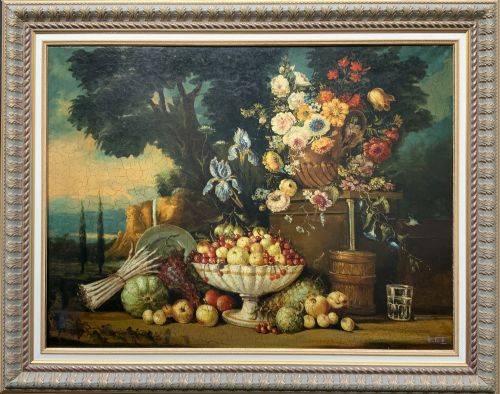
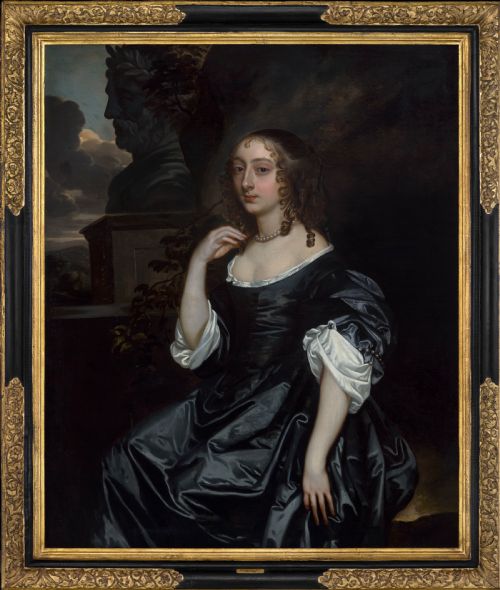
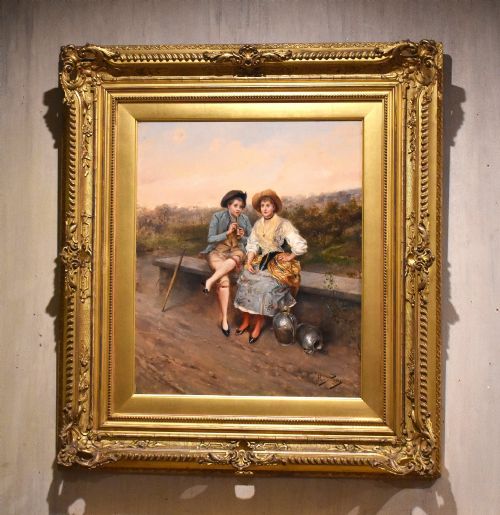
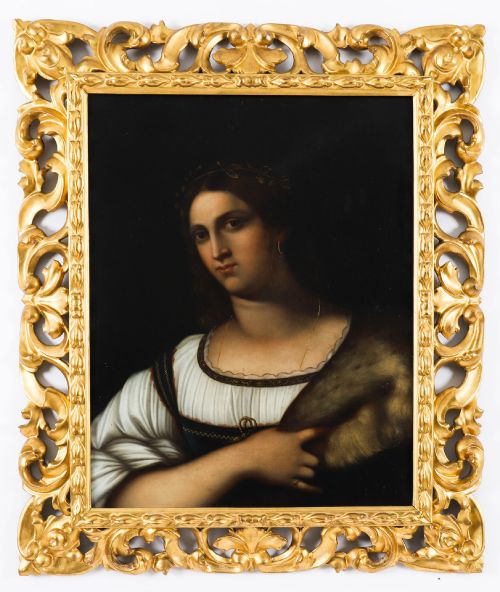
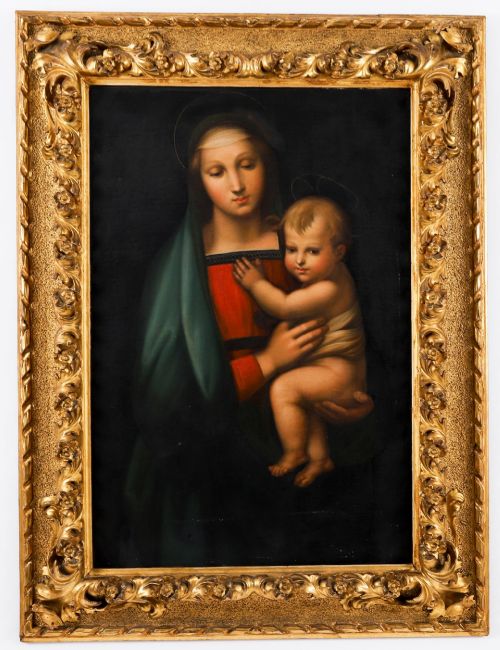
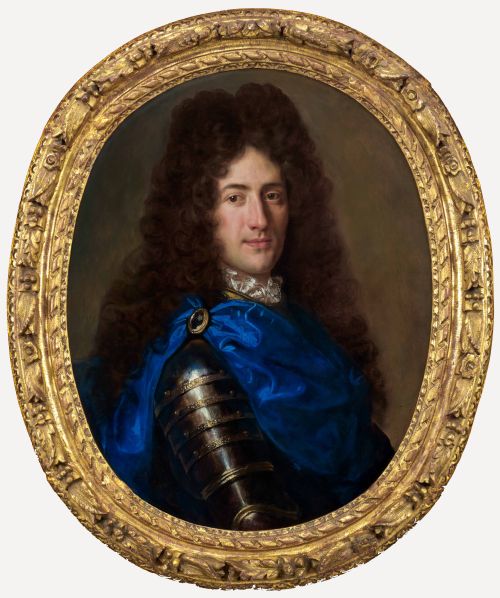
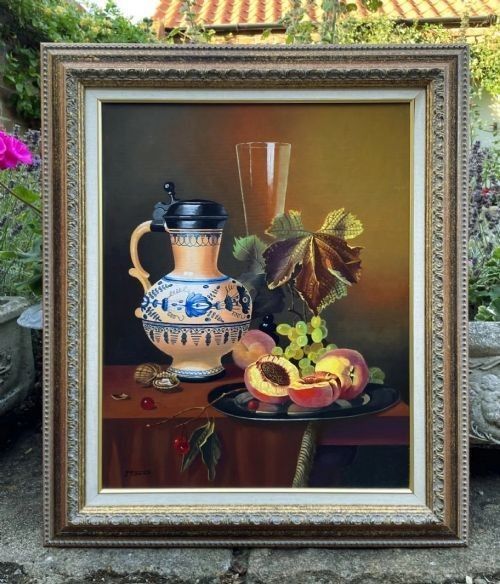
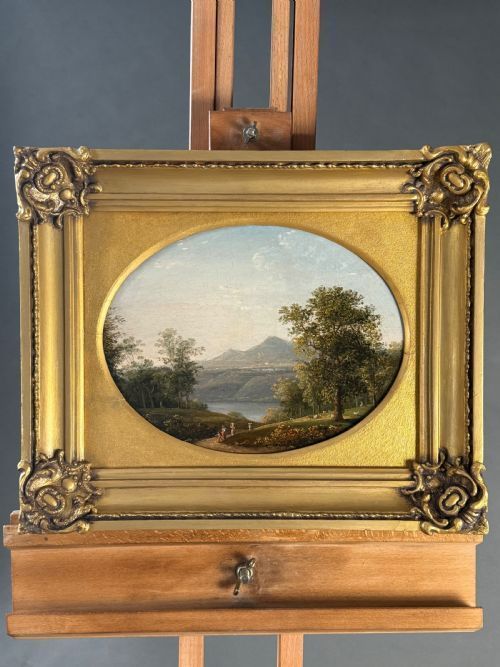
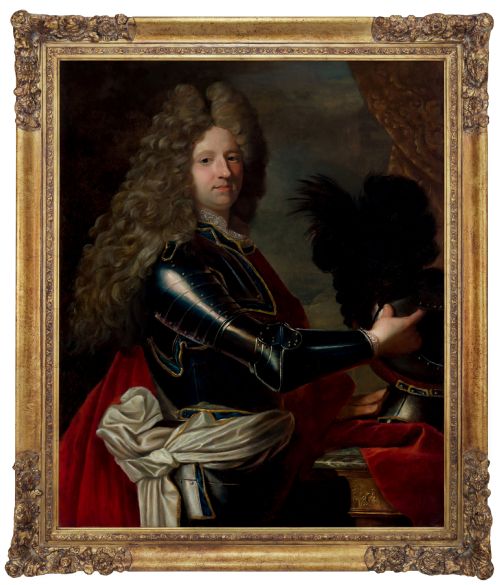
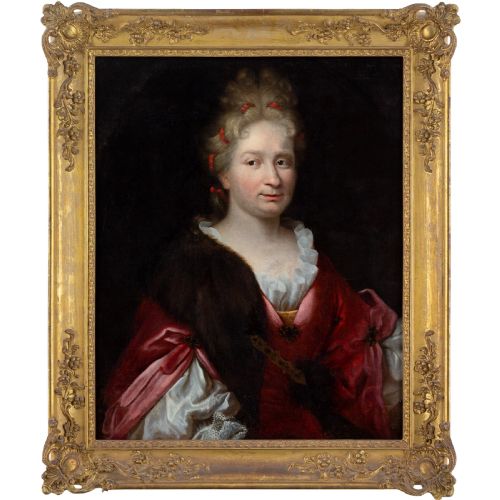
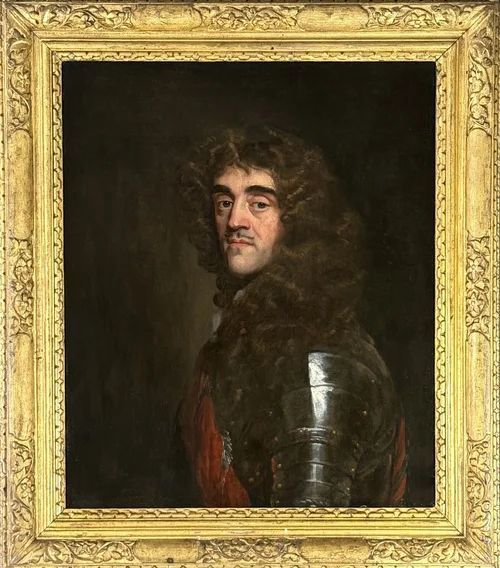
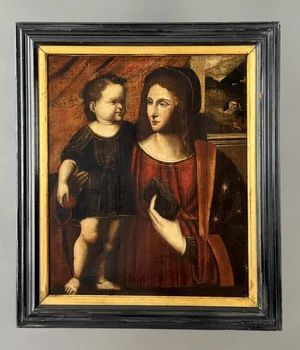
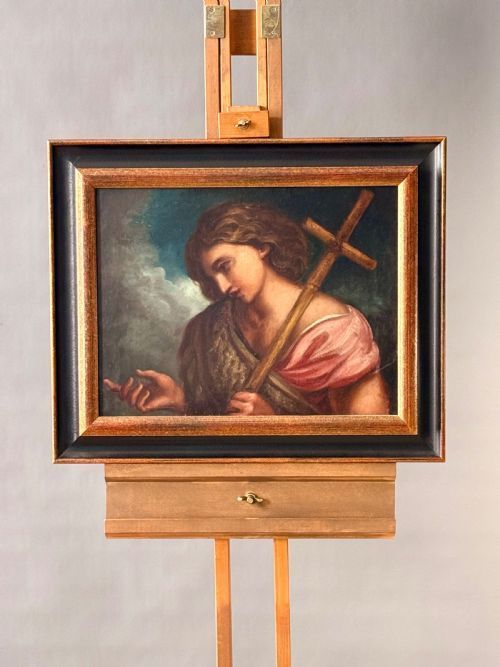
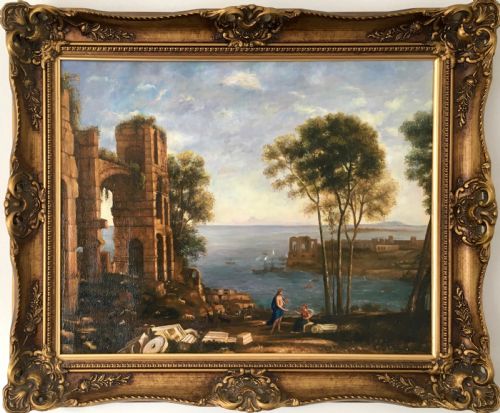
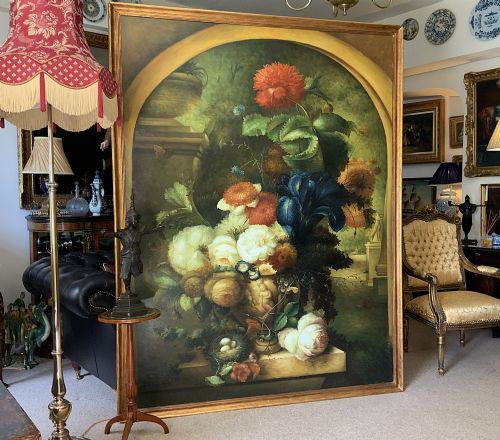
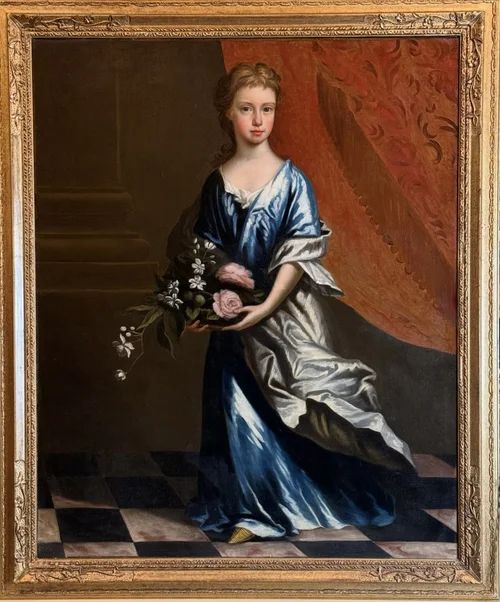
When you search for classical canvas art, you encounter centuries of oil paintings and fine art works reflecting baroque, neoclassical, and 19th century realist traditions.
Classical Canvas Art
Many works originate from European schools, including French, Italian, and Dutch movements, alongside later British and continental interpretations. Pieces frequently appear mounted in heavy wooden frames, often finished with giltwood or gold leaf.
The versions most commonly met on this page range from seventeenth-century studio portraits and eighteenth-century Grand Tour landscapes to nineteenth-century academic paintings and twentieth-century studies after old masters.
Materials and methods of production
The physical foundation of these pieces relies on woven canvas stretched over wooden frames to create a stable working surface for oil paint. Artists built up images through successive layers of pigment suspended in oil, allowing for subtle tonal shifts and deep glazing effects.
Frames form an integral part of the physical object, utilising carved wood shaped into mouldings and finished with giltwood, gesso, or gold leaf to complement the artwork within.
Several portraits feature subjects holding oranges or wearing elaborate lace collars, proving that historical aristocracy took snack breaks and fashion very seriously.
Distinctions in quality
The upper tier of the range is distinguished by the surety of the brushwork, anatomical precision in portraits, and the handling of light and shadow that defines the master and studio traditions. Lesser examples often reveal stiff execution, heavy-handed restoration, or formulaic copies lacking the depth of tone found in period originals.
The integration between the canvas and its original housing matters significantly, as period frames matching the age of the painting elevate the cohesion of the object.
Sir Peter Lely·Alonso Perez·Jacob Philipp Hackert·Hyacinthe Rigaud·John Greenhill·Bernardino Luini·Francesco Guardi·Carlo Ferranti·Sir Joseph Noel Paton·Charles-Antoine Coypel·Leonardo Da Vinci·Francois Boucher·Pieter Borsseler·Francisco Jose de Goya y Lucientes·Sir Joshua Reynolds
The Classical Canvas Art Glossary
- Canvas
- A heavy woven fabric, typically linen or hemp, stretched across a wooden wooden stretcher to serve as the support for oil paintings. This material replaced wooden panels as the preferred medium for large-scale works during the Renaissance.
- Giltwood
- Wood that has been coated with a thin layer of gold leaf or gold paint, frequently utilised for ornate picture frames in the seventeenth and eighteenth centuries. It provides a reflective border that enhances the illumination of the oil painting within.
- Baroque
- An artistic style originating around sixteen hundred, characterised by dynamic movement, deep shadow, and dramatic emotional intensity. Works from this period emphasise theatrical compositions and rich colour palettes.
- Neoclassical
- A cultural movement drawing inspiration from the classical art and culture of ancient Greece and Rome. Paintings in this style prioritize severe lines, sober colours, and orderly compositions over baroque exuberance.
- Provenance
- The documented history of ownership of a work of art, tracing its path from the original creator to the current marketplace. Establishing a clear provenance helps authenticate the origin and attribution of historical paintings.
Classical Canvas Art: Frequently Asked Questions
How do I care for an oil painting on canvas?
Keep the canvas away from direct sunlight and steady extremes in humidity to prevent the paint layers from cracking or warping over time. Dust the surface gently with a soft, dry brush without applying moisture or cleaning solutions.
Ensure the wooden stretcher behind the canvas maintains proper tension, and consult a professional conservator if the paint surface shows signs of flaking or sagging.
What is the difference between an original and an after-work painting?
An original painting represents an artist's primary composition created from their own imagination or direct observation of a subject. These pieces carry the direct artistic intent and execution of the named hand.
Paintings listed as after an artist are later interpretations or copies executed by other painters studying the famous composition. Such works often served as training exercises or affordable alternatives for collectors.
How can I tell the age of a classical canvas?
Inspect the reverse of the canvas and the construction of the wooden stretcher frame for signs of age, such as hand- forged nails, oxidized wood, and the tightness of the weave. Older canvases often exhibit characteristic craquelure across the paint surface as the oil medium hardens over centuries.
Examine the style of dress, hair, and framing materials, which frequently align with specific historical periods like the Georgian era or the seventeenth century.
Where should I hang a large classical oil painting?
Select a wall with stable ambient temperatures, avoiding spots above active fireplaces or damp exterior walls that could damage the canvas. Position the painting at eye level where adequate room lighting can illuminate the dark glazes of oil paint.
Pair the scale of the artwork with substantial architectural surroundings to let the heavy gilt frame anchor the display within the room.