

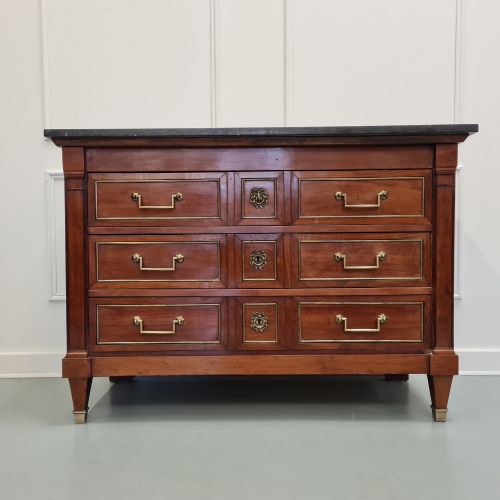


Classic Wood Bedroom Chest
A classic wood bedroom chest provides essential storage and brings enduring timber grain into domestic spaces.
Classic Wood Bedroom Chest
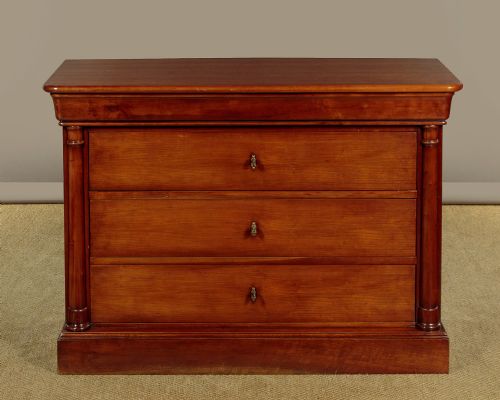
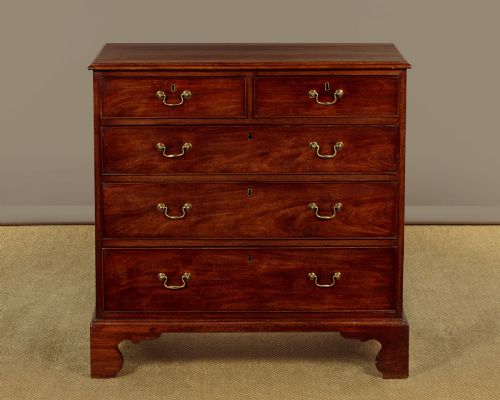
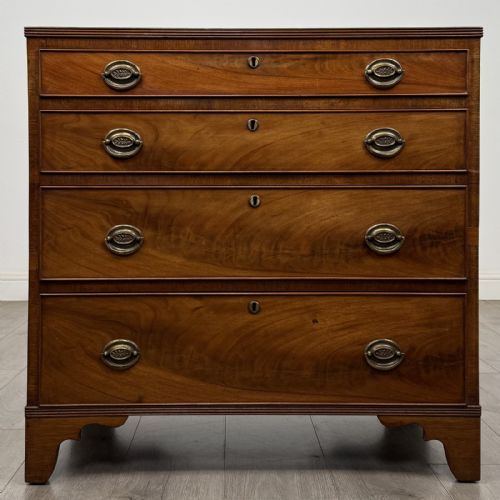
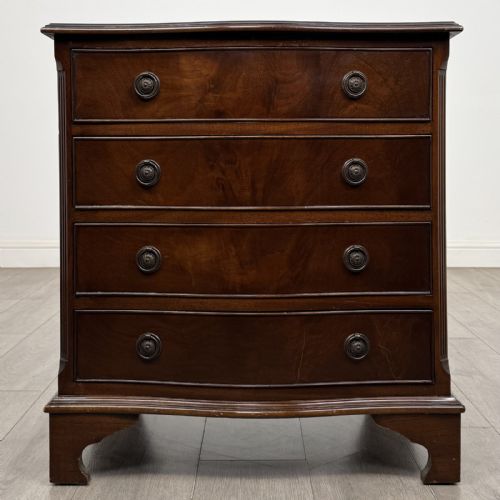
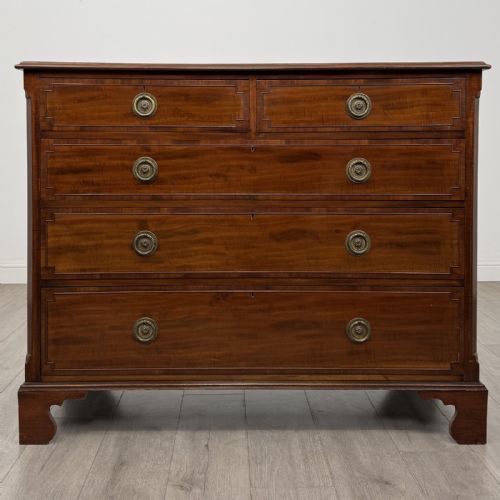
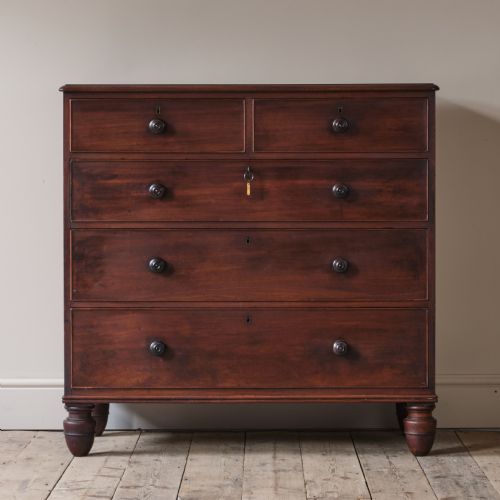
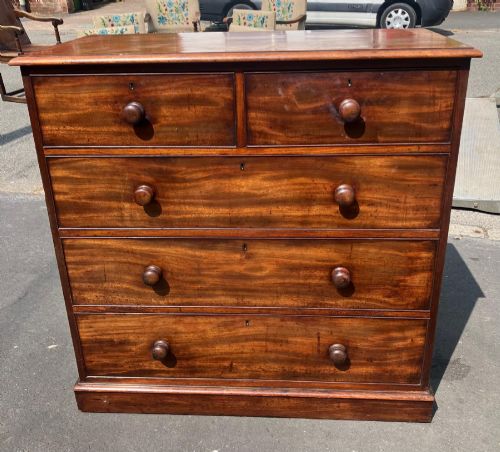
A classic wood bedroom chest offers practical drawer storage constructed from timbers such as mahogany, oak, pine, and walnut. These pieces span periods from the eighteenth century through the Edwardian era, incorporating styles like Georgian, Regency, and Biedermeier.
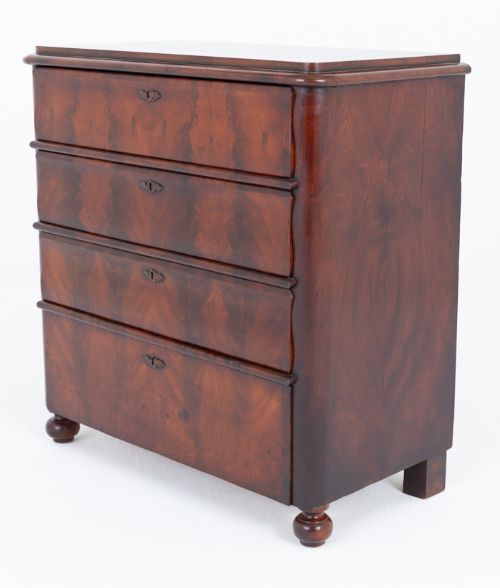
Examples range from compact Empire style pieces to larger Georgian and Victorian works, reflecting diverse regional cabinet-making traditions from Britain, Sweden, and France.
How they were made
Cabinet-makers constructed these pieces using solid timbers and applied veneers, notably flame mahogany and flame birch, over secondary woods like pine. Panels and drawer linings often utilised tongue and groove techniques.
Hardware such as brass handles and brackets secured the operational parts, while fine inlays added decorative contrast to the primary surfaces.
Classic Wood Bedroom Chest Retail Price Guide 2026
Typical asking prices for classic wood bedroom chest among the pieces listed under this phrase on Sellingantiques today, from the lower quarter to the upper quarter. They describe what is for sale here now, not the wider market.
Some nineteenth-century makers hid shallow locking compartments behind seemingly structural mouldings to safeguard pocket watches and sovereigns.
What varies in quality
The selection of timber grain, particularly figured flame veneers, defines the visual hierarchy among these chests. Superior examples display careful book-matching and balanced figuring across the drawer fronts.
Joinery execution and the retention of original hardware, bracket feet, and surface patination separate standard production items from workshop pieces bearing attribution to makers like T & G Seddon, C. Hindley, or Williams IV.
T & G Seddon·C. Hindley·Williams IV
The Classic Wood Bedroom Chest Glossary
- Bow front
- A convex curved front profile popular on many Georgian and Regency chests of drawers. This shape softens the room and showcases the horizontal grain of timbers like mahogany.
- Flame mahogany veneer
- A distinctively figured wood veneer sliced to reveal a flickering flame pattern. Cabinet-makers used this on primary drawer fronts for visual impact.
- Bracket foot
- A structural support foot shaped like a bracket, often found on Georgian and Edwardian chests. It elevates the carcase slightly off the floor.
- Secretaire desk
- A form combining a chest of drawers with a pull-down writing flap enclosing small drawers and pigeonholes. Scottish examples in yew illustrate this dual function.
- Ebonised wood
- Timber treated to imitate ebony, providing dark contrasting details or framing on nineteenth-century pieces. This finish highlights surrounding natural wood grains.
Classic Wood Bedroom Chest: Frequently Asked Questions
What is a classic wood bedroom chest?
A classic wood bedroom chest is a traditional storage unit featuring multiple drawers, constructed from timbers such as mahogany, oak, walnut, or pine. These pieces range from eighteenth-century Georgian designs to Edwardian and Victorian iterations.
Buyers select them for domestic storage and for the decorative presence of their natural wood grains and period hardware.
How do I identify a Georgian chest?
Georgian chests typically exhibit solid proportions, quarter-column corners, or bracket feet, often rendered in mahogany with subtle inlay work. They reflect the classical proportions favoured during the eighteenth and early nineteenth centuries.
Examining the secondary woods inside the drawers and the construction methods helps confirm the period.
Where were these chests made?
The pieces originate from British workshops as well as continental European centres, including Swedish Biedermeier and French Empire production sites. Each region utilised local cabinet-making methods and favoured specific native or imported timbers.
This geographical spread accounts for the variety of styles, from simple pine carcases to highly veneered flame birch.
How do I care for wood surfaces?
Protect wood surfaces by keeping them away from direct sunlight and maintaining stable indoor humidity levels to prevent timber movement. Regular dusting with a soft cloth preserves the polished finish.
Avoid chemical polishes that can degrade historical wax and shellac surfaces over time.