




Classic Tea Table
These classic tea table examples span Georgian, Regency, and Edwardian periods in mahogany, rosewood, and satinwood, offering practical surfaces for modern rooms.
Classic Tea Table
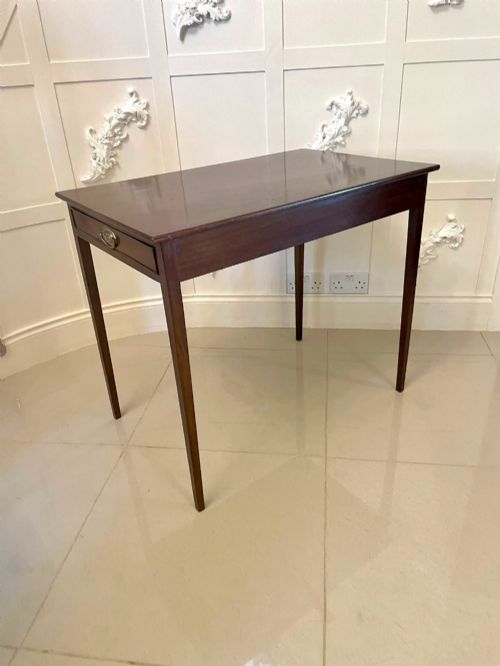
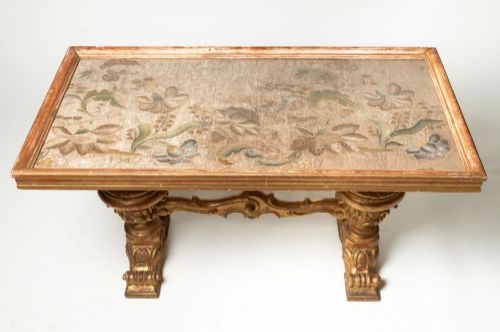
A classic tea table serves as a versatile piece of antique furniture designed for entertaining and domestic use. The listings on this page include occasional tables, side tables, coffee tables, and card and games tables alongside traditional pembroke forms.
The materials span mahogany, rosewood, and satinwood, with accents in brass, giltwood, and textile such as baize. Construction dates from the Georgian and Regency eras through to the Edwardian period.
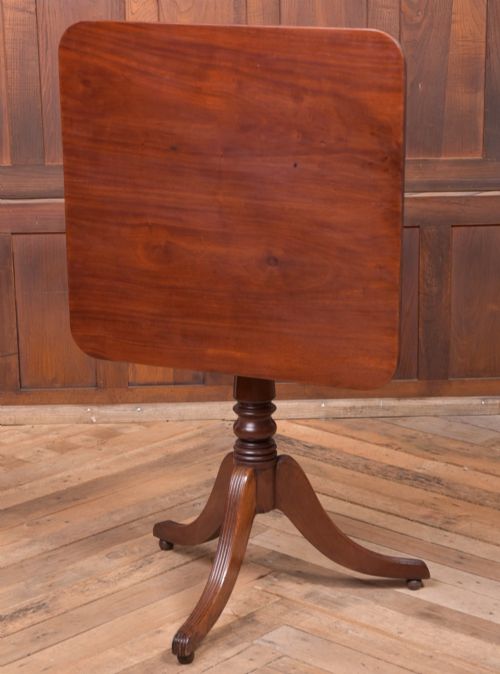
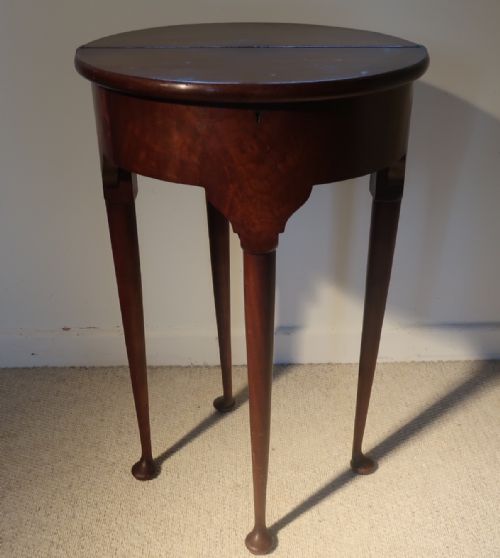
Buyers will encounter folding top mechanisms, snap top actions, and fitted tea caddy interiors within these examples. Each piece demonstrates the domestic utility required by period households.
How they were made
Cabinet makers utilised solid timber and veneers, particularly mahogany and rosewood, applying satinwood inlay for decorative contrast. Structural stability relied on pegged joints, turned pedestals, and folding hinged tops.
Metal components like brass casters and hinges provided mobility and mechanical function for drop-leaf pembroke tables and swivel-top card tables. Interiors often incorporated baize lining for gaming surfaces or compartmentalised storage for tea.
Some tables hide compartments originally meant for dry tea leaves, reminding us of an era when tea was kept under lock and key.
What varies in quality
Quality rests in the selection of timber grain, the precision of inlay work, and the integration of functional hardware like brass castors. Finer examples display crisp carving on pedestals and balanced proportions across folding leaves.
The sophistication of the mechanism dictates the tier of manufacture, from simple occasional tables to complex card and games tables with rotating tops. Secondary woods and the neatness of internal joinery further distinguish workshop standards.
The Classic Tea Table Glossary
- Card table
- A folding table designed for playing cards, featuring a hinged top that opens to reveal a baize or leather lined playing surface.
- Snap top table
- A table with a hinged tabletop that tilts into a vertical position when not in use, saving space in smaller rooms.
- Satinwood
- A durable hardwood with a natural golden yellow sheen and lustrous grain, frequently utilised for decorative stringing and inlay.
- Baize
- A coarse woolen fabric resembling felt, traditionally used to line the playing surfaces of card and games tables.
Classic Tea Table: Frequently Asked Questions
How were antique tea tables used?
Historically, these tables stood against parlour walls until tea service time, when servants moved them into the centre of the room to serve guests. Versions with folding tops also doubled as writing desks or gaming surfaces for cards.
Today, buyers utilise them as functional accent furniture, placing them beside sofas or in hallways where surface space is required without a large footprint.
How do I identify a Georgian tea table?
Georgian pieces, dating through the eighteenth and early nineteenth centuries, typically feature solid mahogany construction with restrained carving, brass hinges, and sturdy pillar supports. Look for hand-cut dovetails in any drawers and traditional timber patination.
Later Victorian and Edwardian interpretations often introduce lighter satinwood inlay, contrasting with the heavier proportions and darker timber tones characteristic of earlier George III workshops.
Are these tables practical for daily use?
These tables adapt well to modern homes because their compact dimensions suit hallways, landings, and living rooms. Foldover tops and drop leaves allow owners to expand the surface area when entertaining guests.
Placing coasters on polished mahogany or rosewood surfaces protects the historical finish from moisture and heat marks while maintaining daily utility.