

Classic Pendant Light
A classic pendant light brings focused suspension and period character to a room, drawing the eye upward with historic metalwork and glass.
Classic Pendant Light
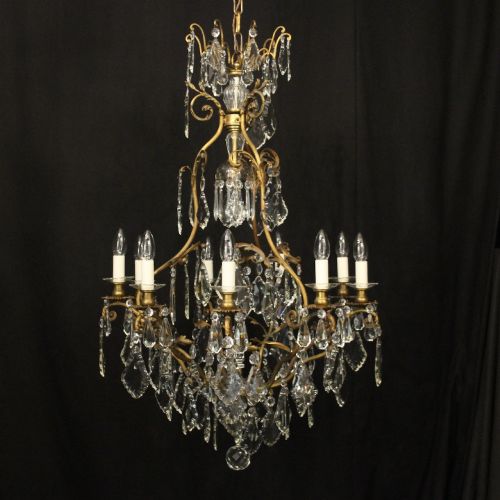
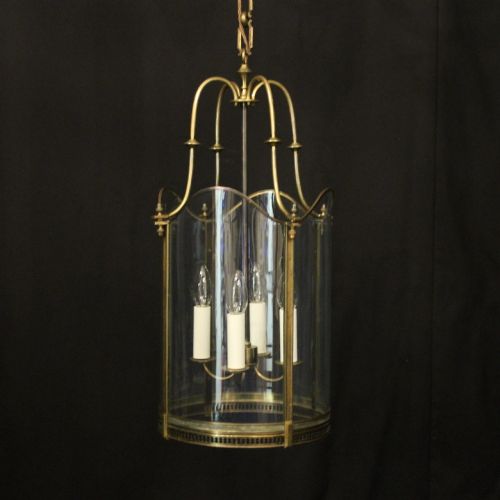
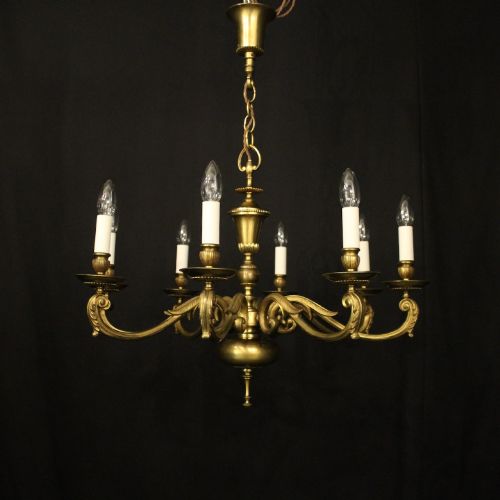
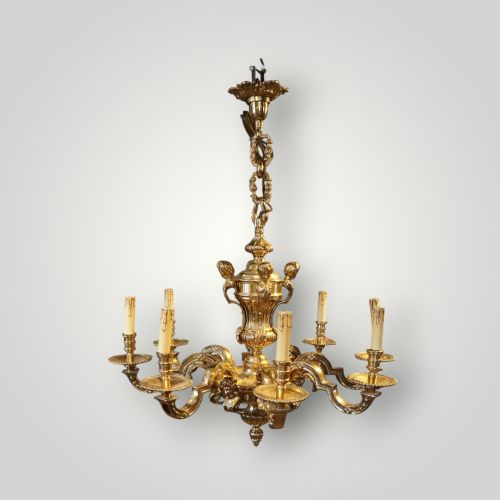
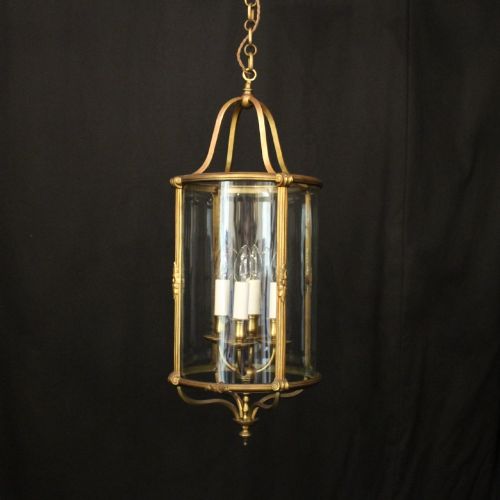
When you search for a classic pendant light, you encounter hanging illumination rooted in historical periods from the nineteenth century through the mid twentieth century. These pieces encompass hanging lanterns, multi light chandeliers, and bag tent fixtures originating predominantly from French, Italian, and English workshops.
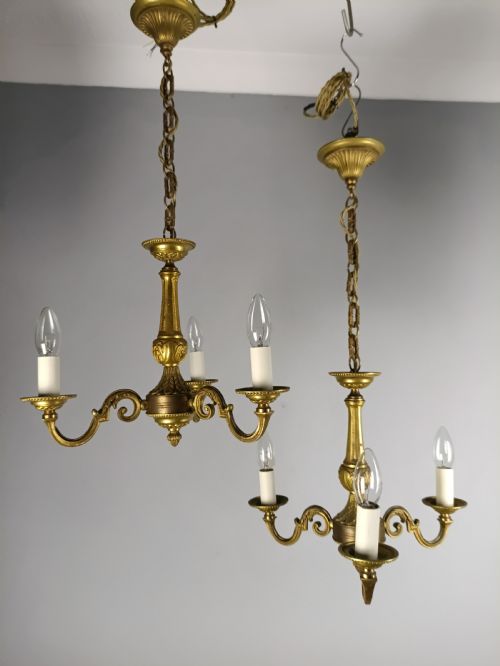
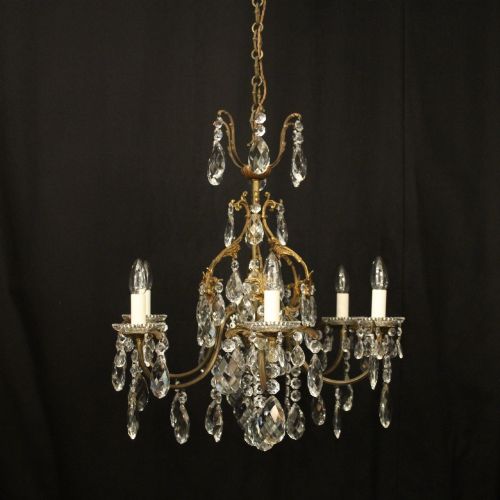
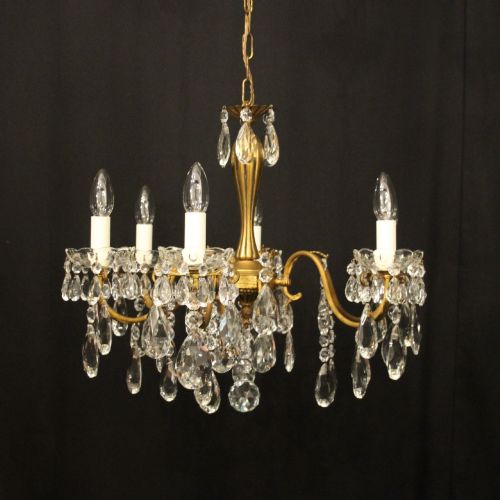
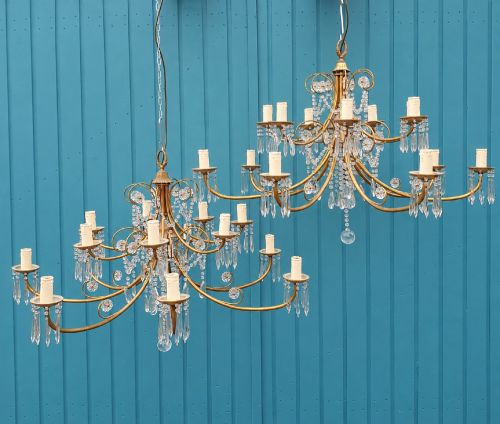
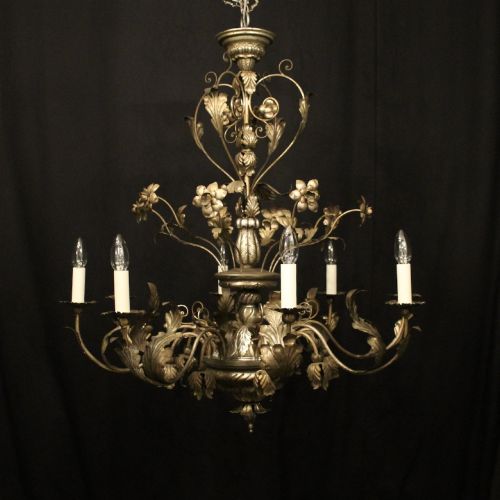
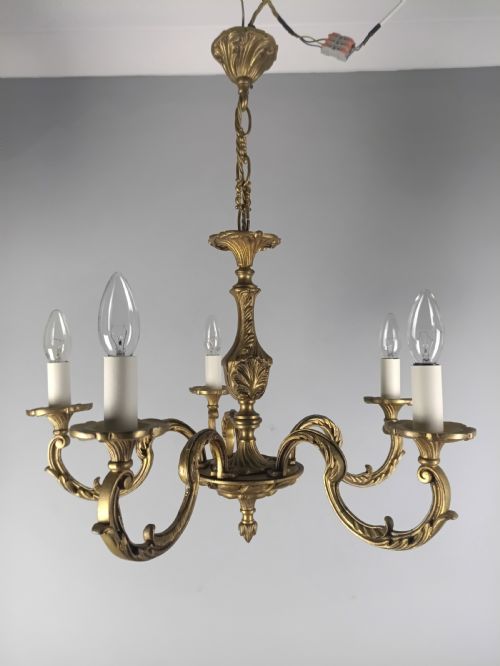
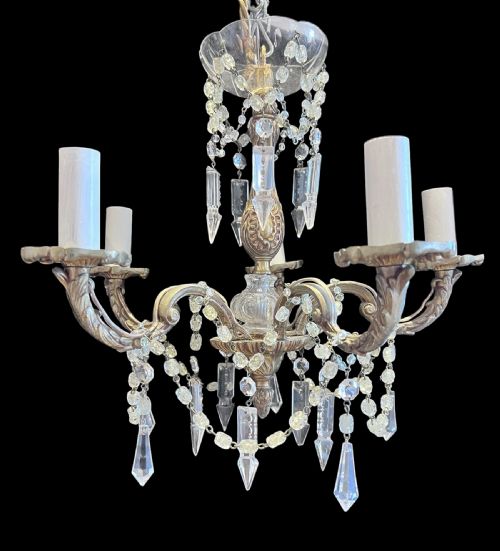
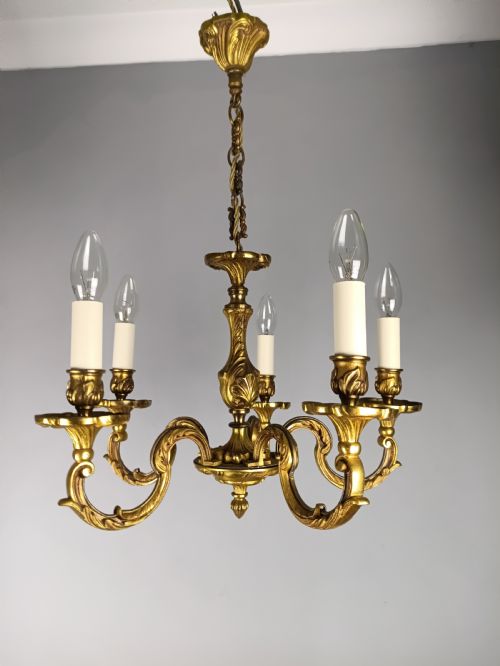
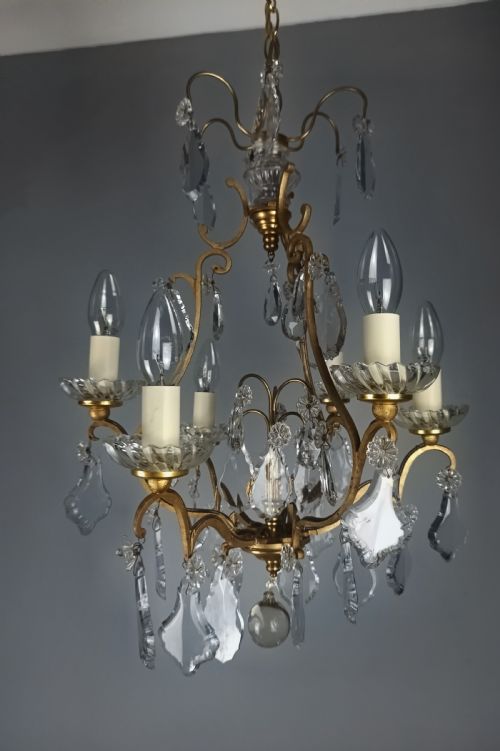
The version you are most likely to meet on this page is a brass or gilt bronze fixture featuring glass or crystal droplets, often styled in the French Empire or Italian Rococo tradition. They range from compact single light hall lanterns to substantial multi arm chandeliers designed for principal rooms.
Materials and construction
The primary structure relies on cast and chased brass, gilt bronze, silvered metal, and copper, shaped into arms, frames, and hexagonal lanterns. Metal components provide the rigid skeletal framework necessary to support multi light configurations.
Cut glass and crystal elements, including drops, beads, and waterfalls, are wired or pinned directly to the metal frames to refract illumination. Gilded finishes, gesso, and silver plating are applied to enhance the reflective properties of the hanging fixtures.
Classic Pendant Light Retail Price Guide 2026
Typical asking prices for classic pendant light among the pieces listed under this phrase on Sellingantiques today, from the lower quarter to the upper quarter. They describe what is for sale here now, not the wider market.
Listings feature brass, bronze, and silvered metal structures paired with cut glass and crystal across nineteenth and twentieth century periods.
Distinctions in quality
Quality rests on the crispness of the metal casting and the depth of the gilding or silvering on the bronze and brass framework. Finer examples display hand chased detailing and substantial metal thickness rather than uniform pressed components.
The caliber of the glass and crystal defines the upper tier, marked by hand cut facets that refract light cleanly. Superior fixtures integrate balanced proportions between the metal armature and the arrangement of crystal drops.
G.E.C
The Classic Pendant Light Glossary
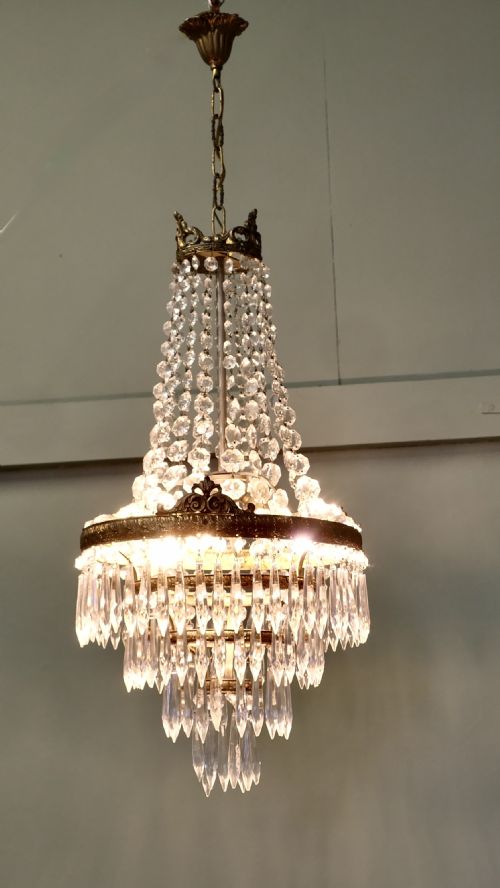
- Tent and waterfall
- A lighting configuration where strings of crystal beads form an upper tent shape above a cascading waterfall of glass drops. This style gained prominence in French Empire designs.
- Gilt bronze
- An alloy of copper and zinc treated with gold leaf or mercury gilding to produce a rich metallic surface. It resists tarnishing and provides a warm glow.
- Bag chandelier
- A fixture featuring a rounded lower section of glass or crystal beads gathered in a bag shape beneath a central brass ring. These were popular for smaller spaces and hallways.
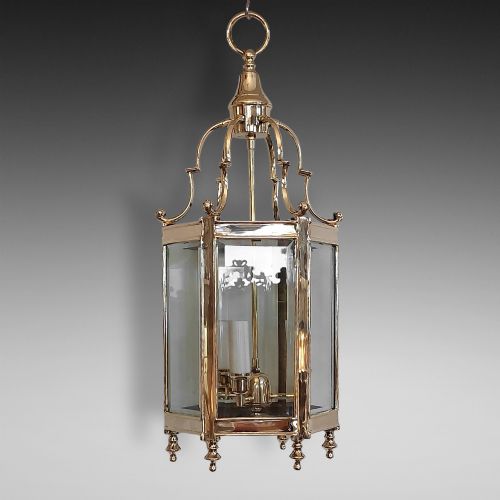
- Hexagonal lantern
- A hanging light enclosed by six glass panes within a metal frame. They were traditionally used in entrance halls and corridors.
- Maria Theresa
- A classical chandelier style characterised by flat metal arms covered in glass strips and secured with star shaped rosettes. Named in honour of the Austrian empress.
Classic Pendant Light: Frequently Asked Questions
What defines a classic pendant light?
A classic pendant light is a suspended fixture utilising historical materials like brass, bronze, and crystal. These pieces draw on design traditions from the Edwardian era back through the nineteenth century.
They serve as both practical illumination and decorative centerpieces, typically hanging from chains or rods in domestic interiors.
How do I choose the right size?
Selecting the correct scale depends on the proportions of your room and the height of your ceiling. Smaller single light lanterns suit compact hallways, whereas multi arm chandeliers require generous clearance beneath.
Consider both the physical diameter of the fixture and the number of light sources it accommodates.
How do I tell periods apart?
Dating relies on stylistic clues and manufacturing techniques, such as the transition from heavy cast bronze in the nineteenth century to lighter stamped brass in the twentieth. Edwardian and 1920s pieces often reflect simplified classical revivals.
Examining the fixings, wiring channels, and glass cutting styles helps narrow down the decade of production.