


Classic Omega Automatic Watch
A classic omega automatic watch offers mid-century horological engineering, combining self-winding mechanical movements with robust steel or gold cases.
Classic Omega Automatic Watch
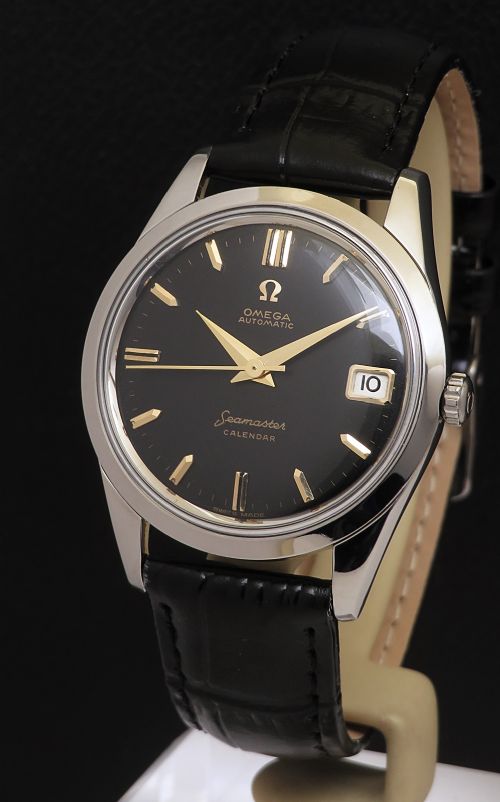
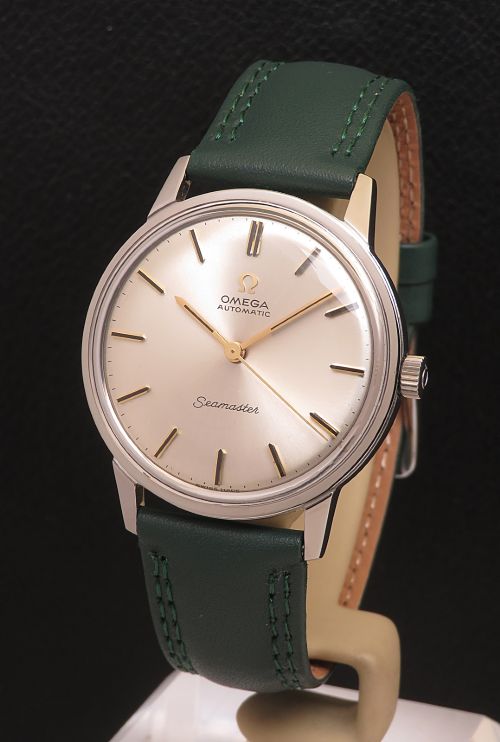
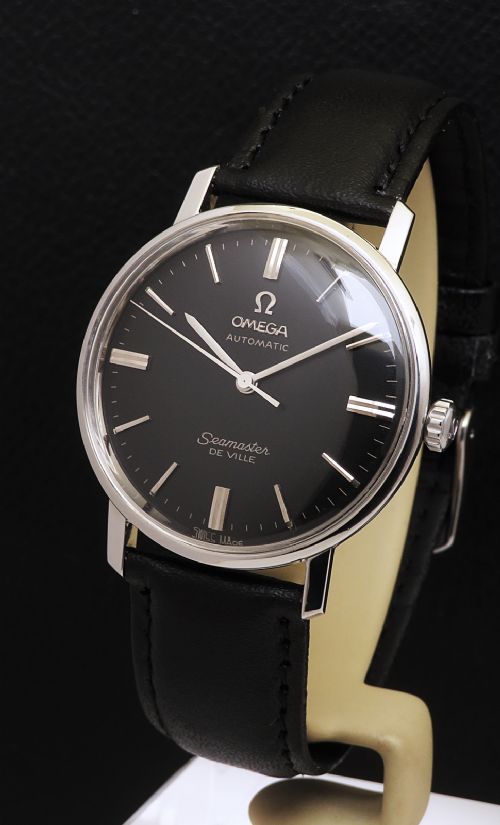
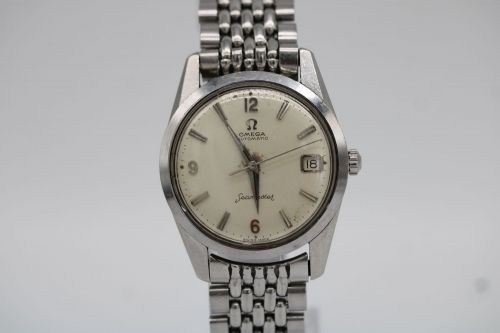
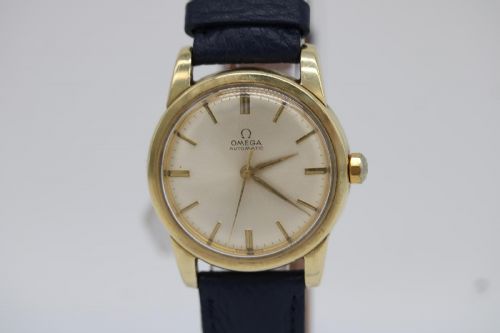
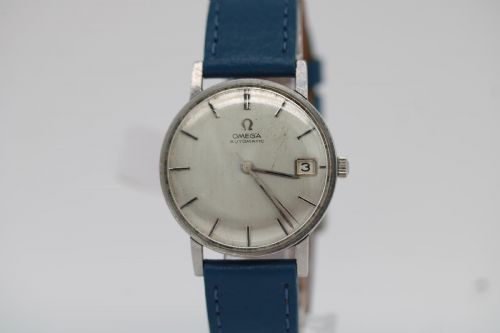
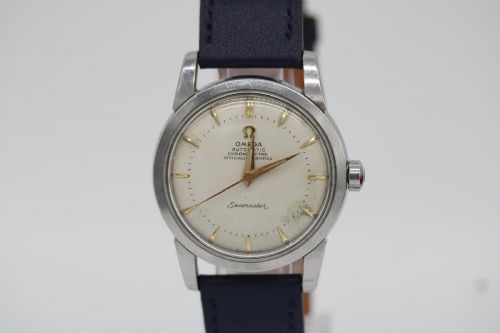
A classic omega automatic watch represents mid-century wristwatches produced during the nineteen fifties and nineteen sixties, principally taking the form of the Seamaster, Seamaster DeVille, Seamaster Cosmic, and Geneve lines. These timepieces function as practical daily wear while embodying mid-century modern design standards through clean dial layouts and balanced case proportions.
The wristwatches appearing in this selection primarily span the nineteen fifties and nineteen sixties, featuring mechanical movements powered by the wearer's wrist motion rather than manual winding. Buyers encounter these wristwatches in stainless steel, gold plate, and solid nine carat gold, paired with leather straps and protected by acrylic or acrylic glass crystals.
Forms across these listings remain consistent around wristwatches sized between thirty-four and thirty-five millimetres, housing specific automatic calibres such as the five hundred sixty-two, five hundred fifty-two, and seven hundred fifty-two. Dials range from patinated finishes to champagne tones, occasionally incorporating day-date complications alongside standard three-hand configurations.
Materials and Construction
Cases of a classic omega automatic watch are constructed from stainless steel, gold-plated metal, or solid nine carat gold, housing internal automatic movements that wind autonomously via an internal weighted rotor. These metal housings protect the delicate gear trains and escapements from dust and moisture.
Dials are protected by acrylic or acrylic glass crystals, a material typical of the period that offers clarity and can be polished if scratched. Leather straps complete the assembly, fastened to fixed or spring-loaded lugs welded or integrated into the watch case.
Listings feature wristwatches from the nineteen fifties and sixties housed in stainless steel, gold plate, and solid nine carat gold.
Evaluating Quality and Condition
Quality differences in a classic omega automatic watch relate to the original metal specification of the case, distinguishing solid nine carat gold examples from gold-plated and stainless steel variants. Furthermore, the integrity of the dial finish - whether retaining its original factory print and colour or showing natural patination - influences the character of the piece.
The mechanical condition of the internal automatic calibre dictates operational reliability, where preserved movement components and documented restoration work elevate the standard of the watch. Consistency between the production period of the case, movement calibre, and dial typography also determines horological integrity.
The Classic Omega Automatic Watch Glossary
- Calibre
- The proprietary mechanical movement manufactured by the watchmaker to drive the hands and complications. This internal engine bears a specific number designating its design series.
- Automatic
- A self-winding mechanical movement utilising a weighted rotor that pivots with the natural motion of the wearer's arm. This mechanism tensions the mainspring continuously during daily wear.
- Acrylic
- A lightweight synthetic glass used for watch crystals during the mid-century period. It provides a warm visual distortion and bends rather than shatters upon impact.
- Patina
- The natural ageing, colour shift, or surface oxidation accumulated on a dial over decades. Collectors value this indicator of chronological authenticity.
- Complication
- Any functional feature on a watch beyond the basic display of hours, minutes, and seconds. Examples include date windows and day displays.
Classic Omega Automatic Watch: Frequently Asked Questions
How do I wind an automatic omega?
An automatic watch winds itself through the movement of your arm during normal daily wear via an internal oscillating rotor.
If the watch has stopped entirely after sitting idle, give the crown a few manual turns to jumpstart the movement before putting it on.
Are these watches water resistant?
Vintage pieces from the nineteen fifties and sixties do not meet modern water resistance standards. Rubber gaskets and seals degrade over decades, leaving movements vulnerable to moisture.
Keep these wristwatches away from swimming, showering, and heavy rain exposure to protect the internal components.
What size are these vintage watches?
Cases across this selection typically measure between thirty-four and thirty-five millimetres in diameter. This proportion reflects the standard dress watch sizing conventions of the mid-century period.
These dimensions sit comfortably on most wrists, offering a classic profile distinct from larger modern timepieces.
How do I read the reference number?
Reference numbers stamped inside the case back or on the movement identify the specific model family, case material, and production era. Comparing these numbers helps verify factory authenticity.
Consulting manufacturer archives using these digits reveals the precise production year of the watch.