


Classic Ceiling Fixture
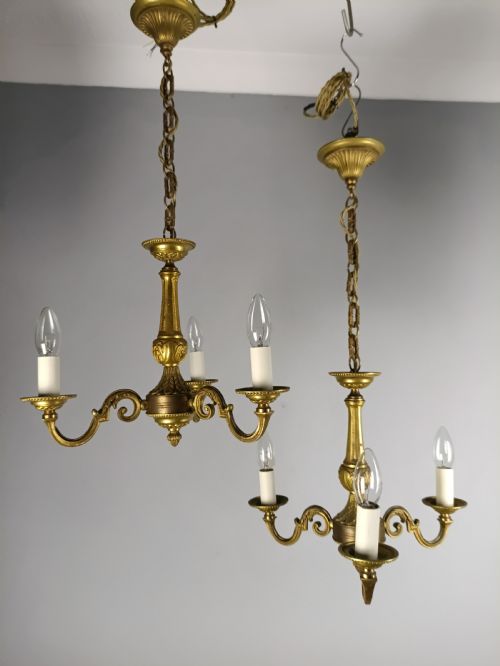
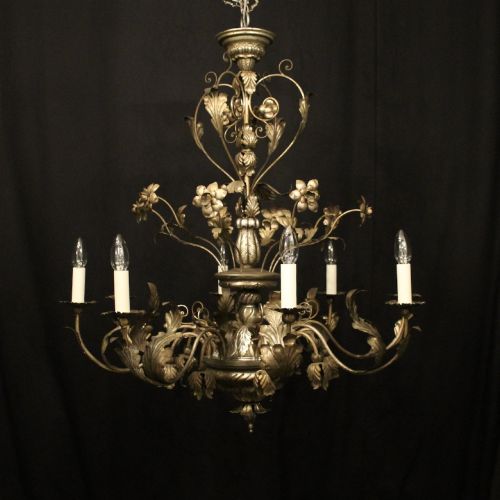
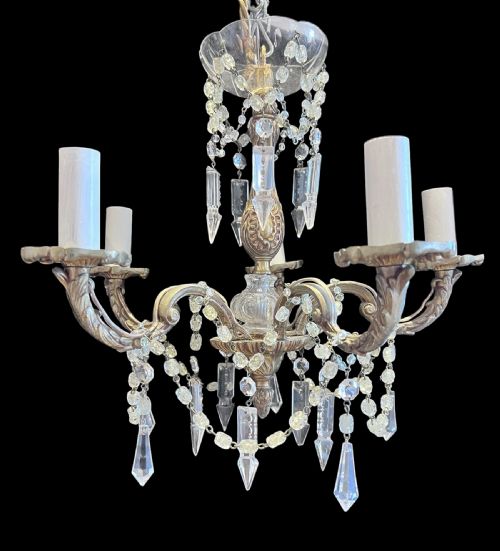
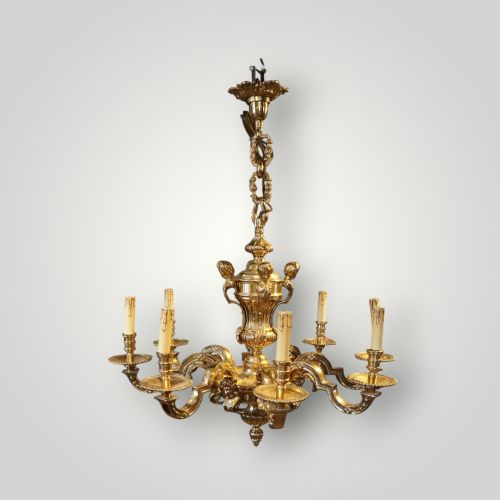
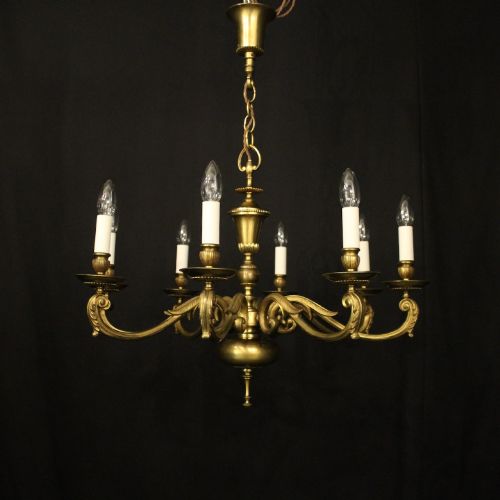
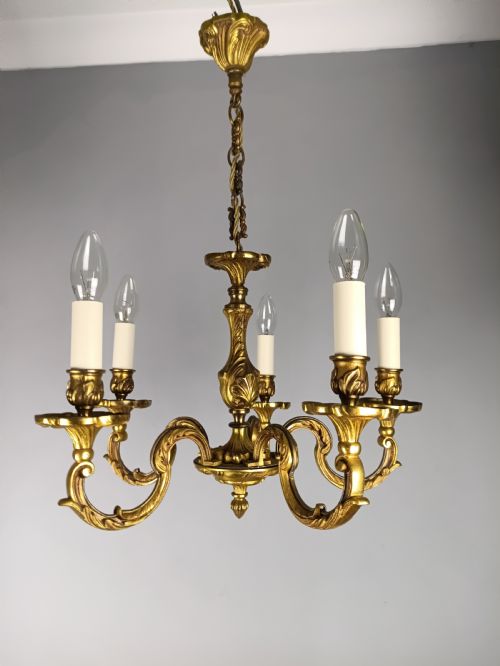
These classic ceiling fixture examples range from French gilt bronze chandeliers to Italian crystal lanterns, bringing period illumination to any room.
Classic Ceiling Fixture
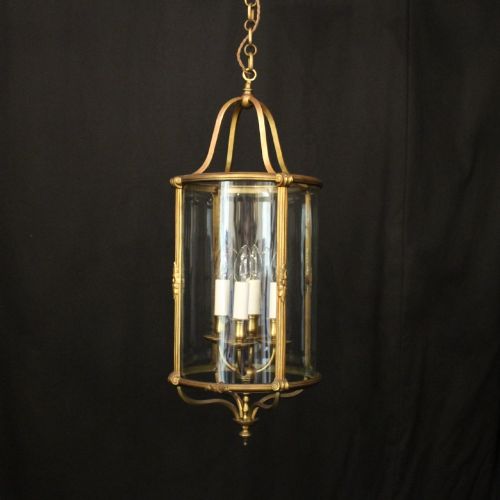
A classic ceiling fixture encompasses chandeliers, hall lanterns, and pendant lights originating from periods spanning the eighteenth century to the early twentieth century. Buyers seeking these pieces encounter heavy representation of French and Italian designs, alongside English, Dutch, and Swedish examples.
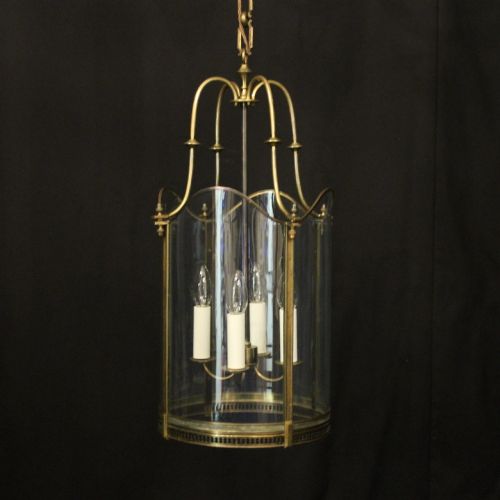
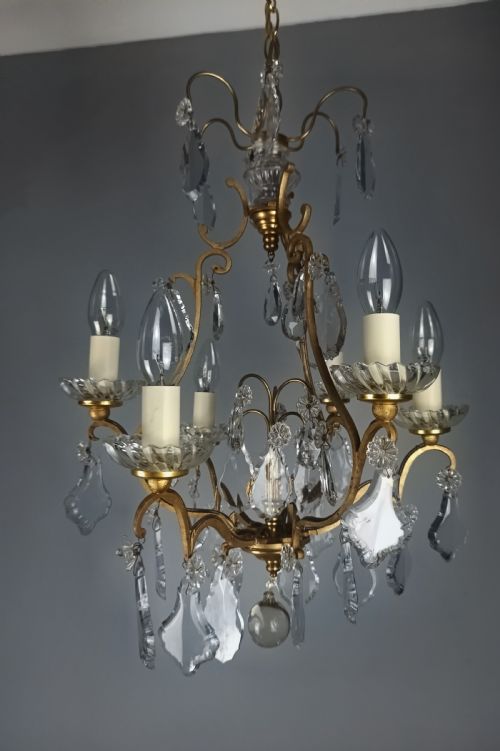
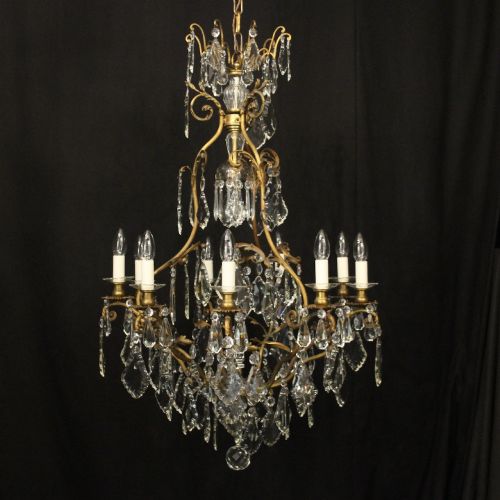
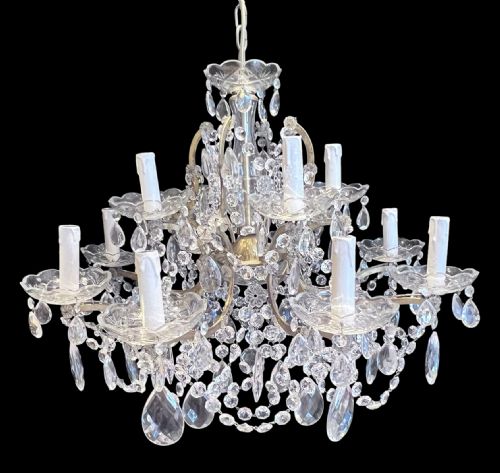
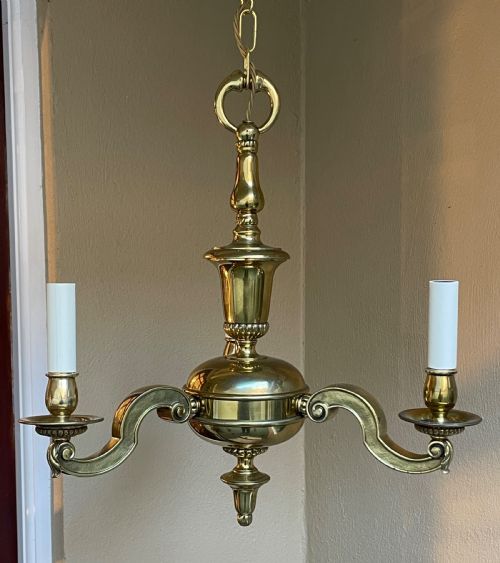
The most common forms on this page include multilight brass and gilt bronze chandeliers adorned with crystal, alongside glazed hall lanterns. These fixtures hang centrally to provide ambient illumination in hallways, reception rooms, and dining spaces.
How They Were Made
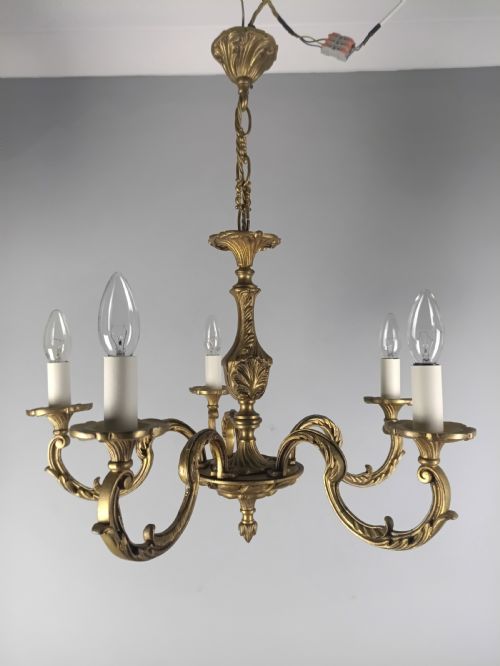
Metalwork forms the structural backbone of these fixtures, utilising cast brass, bronze, gilt metal, and silvered metal shaped into arms, frames, and ceiling mounts. Artisans applied gilding or silvering to metallic surfaces to enhance reflection from the internal light sources.
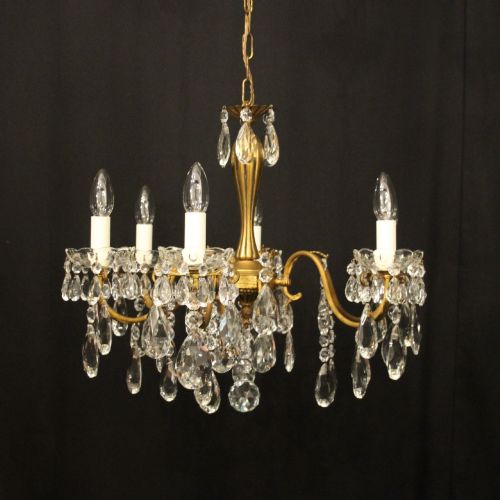
Glass and crystal elements complement the metal structures, appearing as cut drops, draped beads, and blown panes within lanterns. These transparent components refract light across the room, suspended by wire or pinned directly to the metal armature.
Classic Ceiling Fixture Retail Price Guide 2026
Typical asking prices for classic ceiling fixture among the pieces listed under this phrase on Sellingantiques today, from the lower quarter to the upper quarter. They describe what is for sale here now, not the wider market.
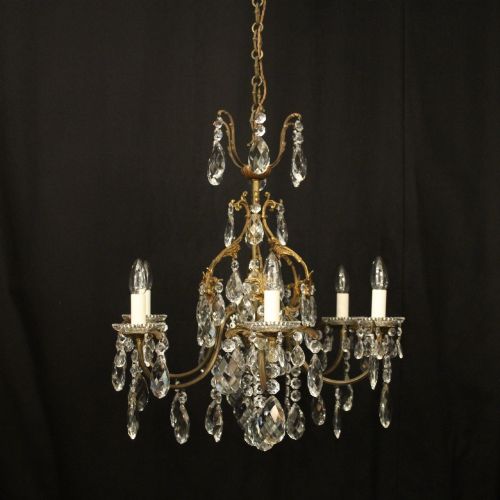
Birdcage chandeliers get their name from their arched wire frames that resemble traditional aviaries before being entirely smothered in crystal drops.
What Varies in Quality
The sophistication of the metal casting and the depth of the chasing separate standard production from superior work. Finer examples display crisp detail in floral mounts, cast bronze frames, and carved gesso elements.
The cut and clarity of the crystal components dictate the upper tiers of the range. Better fixtures employ hand-cut glass drops that scatter light cleanly, rather than pressed glass with soft edges.
The Classic Ceiling Fixture Glossary
- Chandelier
- A branched ceiling fixture designed to hold multiple lights. These hanging assemblies distribute illumination across large spaces.
- Hall lantern
- An enclosed ceiling fixture containing one or more lights within a glazed metal frame. They were traditionally positioned in entrance hallways.
- Gilt bronze
- Bronze metal coated with a thin layer of gold leaf or gilt wash. This technique protects the underlying metal while giving a rich golden appearance.
- Tent and waterfall
- A specific chandelier configuration where strings of crystal beads form an upper tent shape above a cascading waterfall of further drops. This style creates dense optical refraction.
- Maria Theresa
- A distinct style of flat-arm chandelier featuring crystal-covered metal straps and often coloured glass accents. The design originated in Central Europe.
Classic Ceiling Fixture: Frequently Asked Questions
How do I hang a heavy brass chandelier?
These heavy brass and bronze fixtures require direct attachment to ceiling joists using a steel fixing hook capable of supporting the combined weight of metal and crystal.
Professional electricians should install the wiring to ensure the structural suspension safely bears the load without relying on plaster ceilings.
What rooms suit a hall lantern?
Hall lanterns provide focused, enclosed illumination that works well in narrow corridors, entryways, and stairwells where low-hanging branches might obstruct movement.
Their glazed panels protect the interior components from drafts while distributing steady light across transition spaces.
How do I clean crystal drops?
Cleaning crystal requires removing individual drops where possible and washing them in warm soapy water before drying with a lint-free cloth.
Leaving the crystal attached while wiping down with a specialist spray cleaner prevents damage to delicate wire fixings.
How do I date a brass chandelier?
Dating relies on examining the casting methods, screw threads, and wiring channels integrated into the metal body during production.
Earlier nineteenth-century and eighteenth-century style pieces show hand-finished surfaces, whereas early twentieth-century examples display more uniform machine casting.