






Classic Cabriole Legs
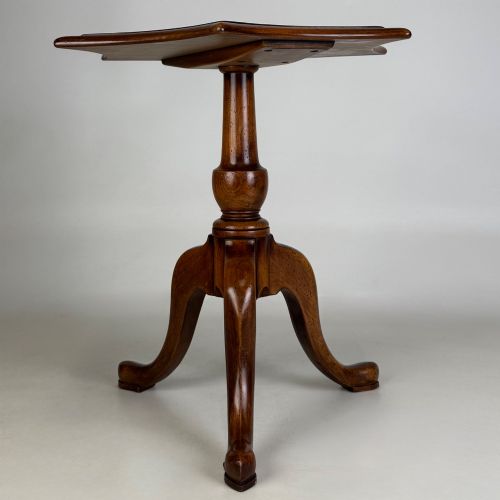
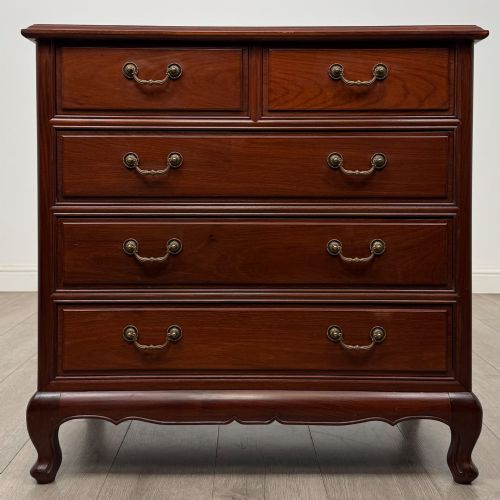
Classic cabriole legs define these seating and table forms, offering distinct curves that anchor period rooms.
Classic Cabriole Legs
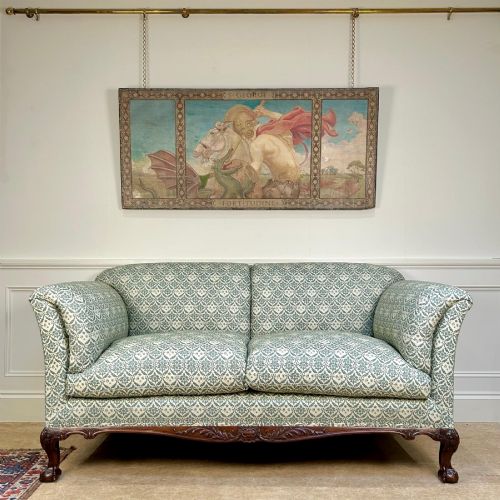
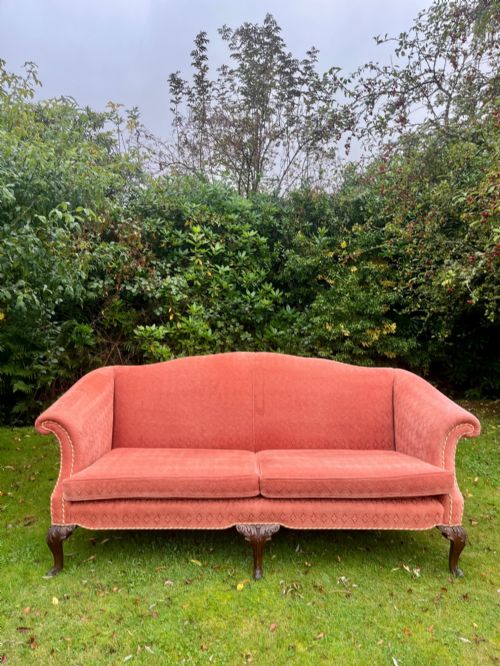
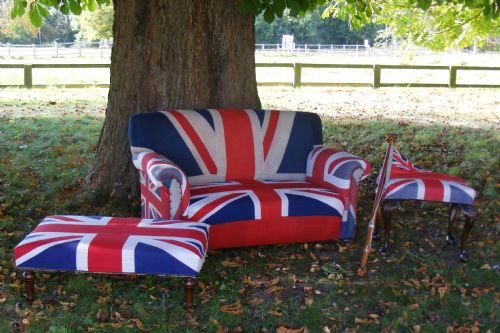
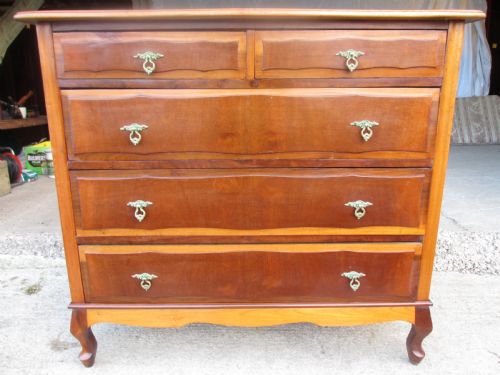
Classic cabriole legs appear on armchairs, sofas, chests on stands, and various tables spanning the nineteenth and early twentieth centuries. Pieces frequently date from the Edwardian era, nineteen-twenty, and nineteen-thirty, drawing inspiration from Queen Anne, Georgian, and Chippendale styles.
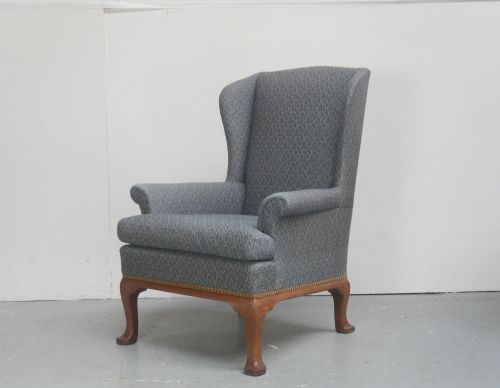
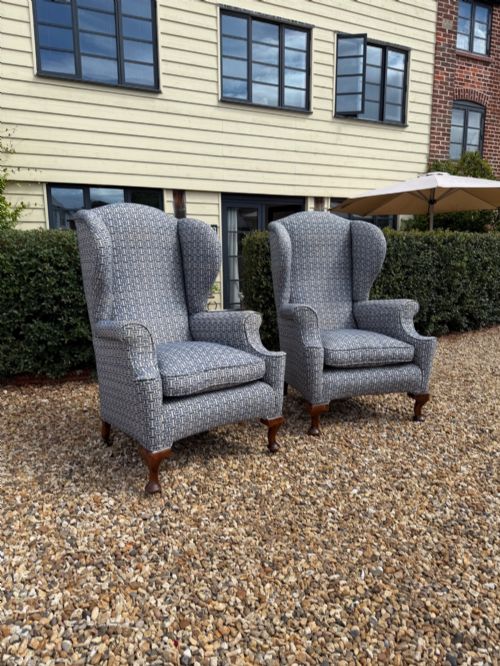
The most common items encountered on this page include mahogany chests of drawers, dining chairs, and wingback armchairs. These forms reflect revival movements that celebrate earlier furniture designs with curved supports.
How they were made
Construction relies heavily on timbers such as mahogany, walnut, and cherry, occasionally enhanced by flame mahogany veneer or marquetry inlay. Brass handles and cotton fabric upholstery appear on functional storage pieces and seating.
Cabinetmakers shape solid wood to form the signature double-curved leg, tapering outward at the knee and inward at the foot. Feather fill is utilised in soft furnishings alongside traditional frame assembly.
Classic Cabriole Legs Retail Price Guide 2026
Typical asking prices for classic cabriole legs among the pieces listed under this phrase on Sellingantiques today, from the lower quarter to the upper quarter. They describe what is for sale here now, not the wider market.
Some chairs sport wings designed to trap the heat of the fire while cold drafts sneak past the cabriole ankles.
What varies in quality
The refinement of the carved knee and foot on the cabriole support dictates the visual success of the piece. Crisp lines in revival styles show greater artisan attention than softer, mass-produced contours.
Selection of timber grain, particularly matched flame mahogany veneer or rich walnut, separates standard utility furniture from finer salon pieces. Original brass hardware and intact marquetry inlay further elevate the construction standard.
Howard and Sons·Epstein and Co
The Classic Cabriole Legs Glossary
- Cabriole leg
- A furniture support that curves out at the knee and in at the ankle, mimicking an animal limb. This form terminates in a pad, claw and ball, or plain foot.
- Flame mahogany veneer
- A thin slice of wood cut from the fork of a mahogany tree to create a distinctive flame-like pattern. Furniture makers apply this to prominent surfaces like drawer fronts.
- Marquetry
- Decorative patterns formed by fitting together small pieces of veneer into wooden panels. Craftsmen use contrasting timbers to create floral or geometric designs on salon furniture.
- Wingback armchair
- An upholstered seat with flanking side panels designed to shield the sitter from drafts. These chairs frequently incorporate classic cabriole legs on revival frames.
- Serpentine front
- A furniture contour that curves outward at the centre and inward at the sides. This shape demands precise woodworking skill in chests of drawers and sideboards.
Classic Cabriole Legs: Frequently Asked Questions
What periods do these pieces date from?
The selection spans the nineteenth century through the Edwardian era and into the nineteen-thirties. Many items are revival pieces from nineteen-ten to nineteen-thirty.
These later interpretations borrow design idioms from earlier centuries while employing the manufacturing techniques of their own time.
Which furniture types feature these legs?
Armchairs, sofas, chests of drawers, and side tables frequently display this characteristic curvature. Tripod tables and window seats also utilise the design.
Seating ranges from compact salon chairs to large wingback armchairs and settees.
What woods are commonly used?
Mahogany and walnut form the primary structure for most tables and storage units. Cherry and various solid woods appear across dining chairs and occasional items.
Finer examples incorporate flame mahogany veneer and intricate marquetry inlay.
How do revival styles differ from originals?
Revival pieces date from later periods like the Edwardian era or the early twentieth century. They replicate historical aesthetics such as Queen Anne and Chippendale.
Construction methods and secondary timbers generally reveal the true manufacturing date despite the historical style.