


Classic Seating
Classic antique seating brings together centuries of skilled craftsmanship through armchairs, dining chairs, and sofas shaped by Regency, Victorian, and later hands.
Classic Seating
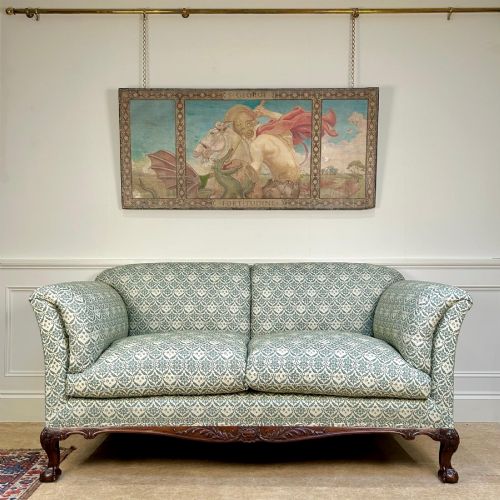
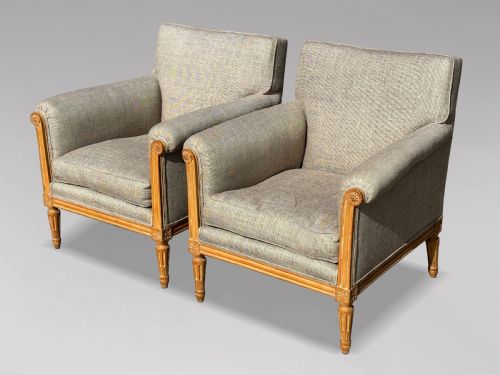
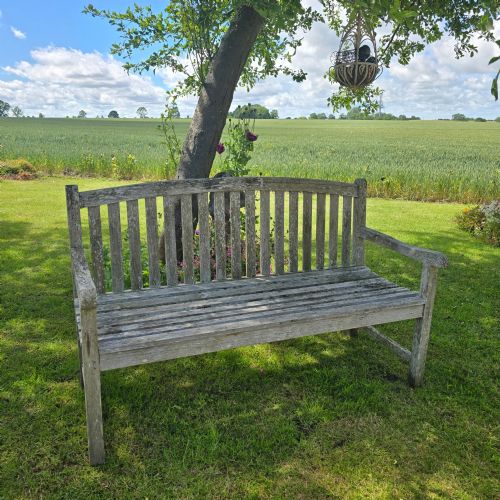
Classic antique seating encompasses a broad array of forms designed for comfort and utility, spanning from dining chairs and armchairs to sofas, garden benches, and window seats. Buyers searching this phrase will find pieces originating across the eighteenth, nineteenth, and early twentieth centuries.
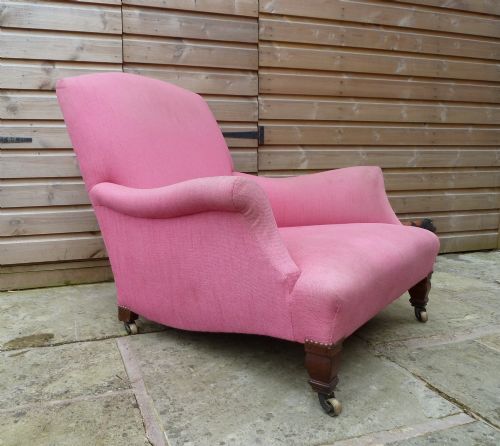
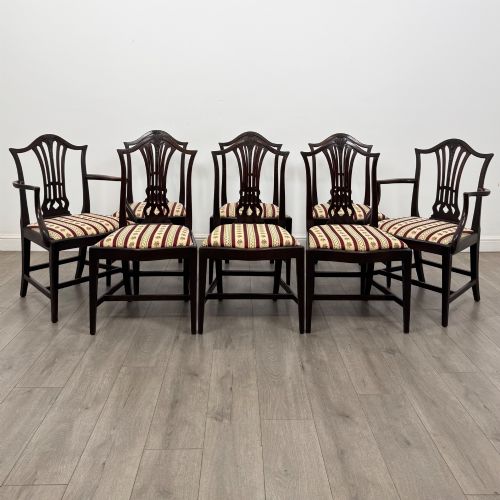
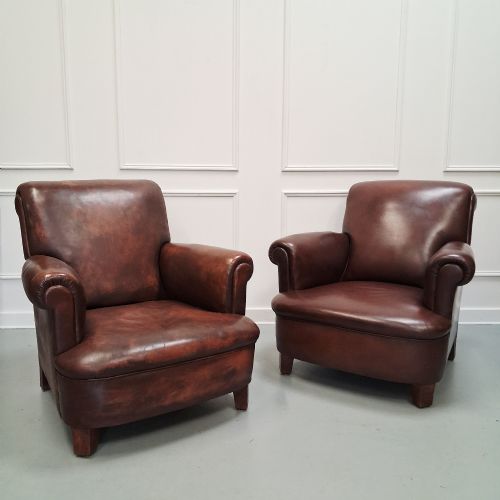
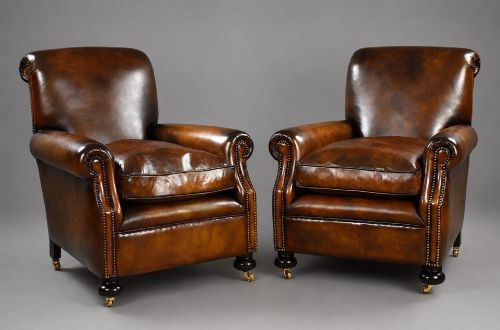
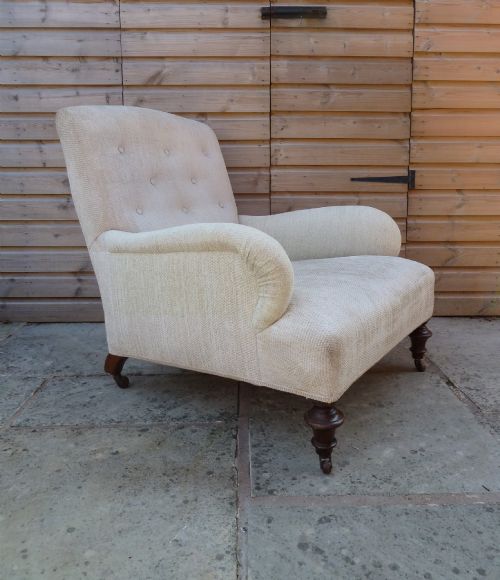
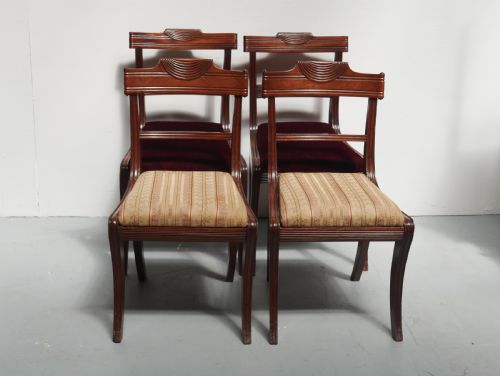
The most prevalent examples on this page include mahogany dining chairs in sets, upholstered club chairs in leather, and low slung armchairs. These range from formal Regency designs to relaxed English Country and Art Deco styles.
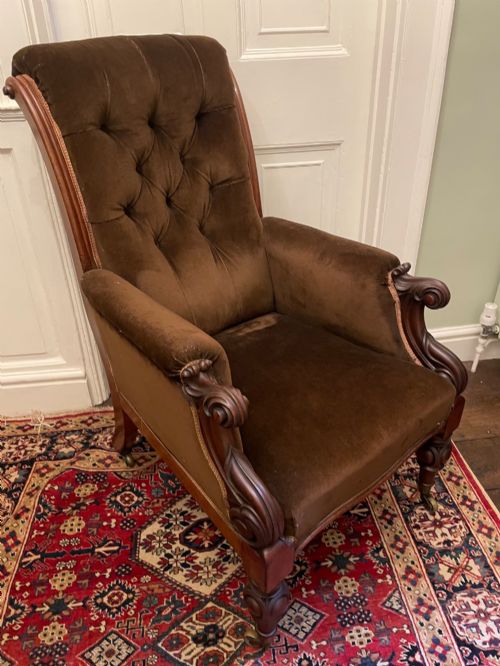
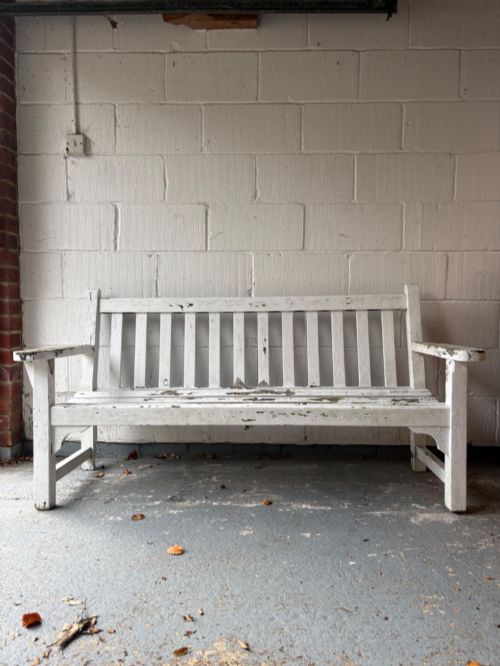
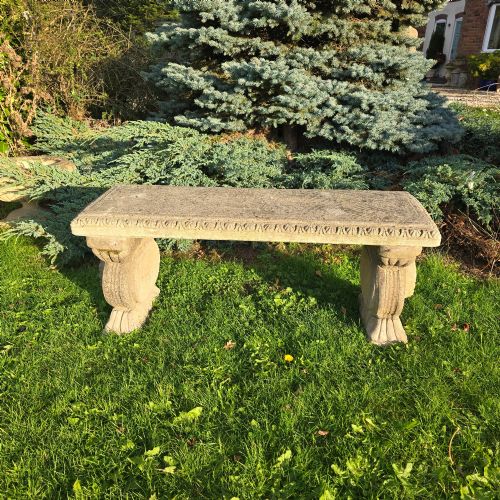
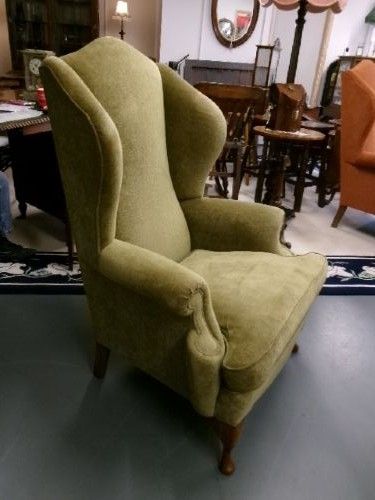
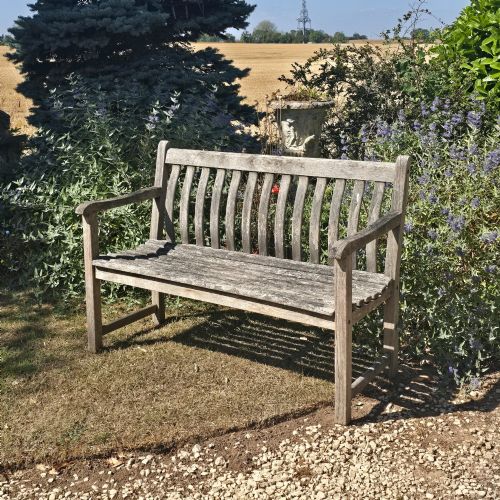
Alongside timber framed chairs, the selection includes velvet and fabric covered seating, alongside wooden benches intended for the garden. Each object reflects the domestic habits and interior tastes of its specific period.
Materials and Construction
Makers relied heavily on dense hardwoods such as mahogany, rosewood, and walnut to form the structural frames of chairs and sofas. These timbers were frequently polished, reeded, or carved to suit prevailing tastes like the Sheraton revival or Louis XVI style.
Upholstery techniques involved traditional stuffing materials enclosed beneath layers of leather, velvet, or woven fabric, secured with brass tacks or piping. Frames often utilised interlocking joinery, whilst garden benches relied on weathered teak capable of withstanding the elements.
Classic Seating Retail Price Guide 2026
Typical asking prices for classic seating among the pieces listed under this phrase on Sellingantiques today, from the lower quarter to the upper quarter. They describe what is for sale here now, not the wider market.
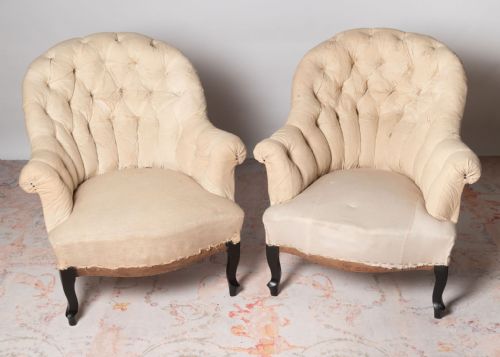
Upholstered seating forms include leather club chairs, velvet armchairs, and buttoned rosewood nursing seats.
Assessing Quality and Execution
Quality in these pieces rests on the integrity of the frame's construction and the crispness of any carved detailing, such as reeding on mahogany legs or shield backs. Superior examples maintain structural firmness without excessive past repairs that compromise the original timber.
The refinement of the upholstery work and the selection of covering materials, whether supple leather or quality velvet, mark the distinction between standard workshop output and exhibition standard pieces.
Howard And Sons
The Classic Seating Glossary
- Carver
- An armchair designed 18th-century style with armrests, traditionally placed at the head of a dining table alongside matching side chairs.
- Bergere
- An enclosed upholstered armchair with a wooden frame, typically featuring woven cane work on the back and sides.
- Wingback
- An armchair featuring side panels attached to the arms and rising to the back, originally designed to shield the sitter from draughts.
- Reeded
- A decorative moulding consisting of parallel convex strips carved directly into the timber frame, commonly seen on Regency chairs.
- Club chair
- A deep, comfortable armchair upholstered in leather, originating in France and associated with the early twentieth century.
Classic Seating: Frequently Asked Questions
How do I care for antique leather club chairs?
Leather upholstery benefits from regular dusting and occasional treatment with specialist leather balms to maintain flexibility and prevent cracking.
Keep these chairs away from direct heat sources and strong sunlight to preserve the depth of the tan or coloured finish.
Can I use antique dining chairs daily?
Most antique dining chairs constructed from solid mahogany or walnut remain robust enough for regular daily use.
It is wise to check the frame joints periodically and avoid placing excessive lateral stress on the back rails.
How do I identify an Edwardian sofa?
Edwardian sofas often display lighter proportions than their Victorian predecessors, frequently incorporating walnut frames or satinwood inlay.
They bridge late nineteenth-century comfort with the sleeker, less cluttered aesthetic that developed into the twentieth century.