




Classic Accent Chairs
These classic accent chairs bring character and comfortable seating to a room, spanning multiple centuries of craftsmanship.
Classic Accent Chairs
When you search for classic accent chairs, you are looking at statement seating designed to complement a room rather than serve as the main suite. These pieces function as occasional seating, reading chairs or focal points in a study, drawing room or bedroom.
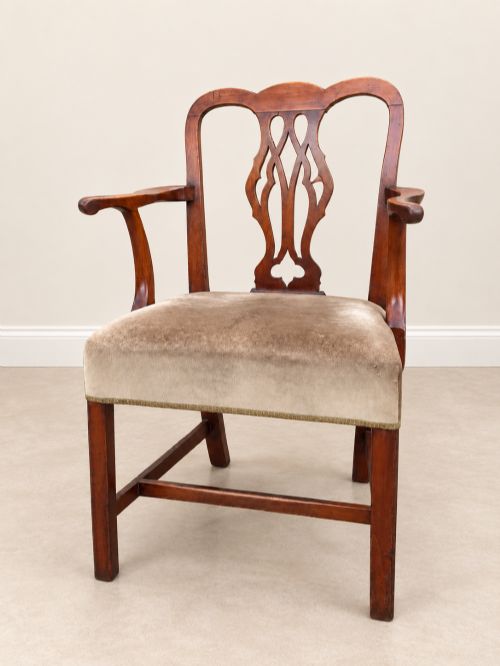
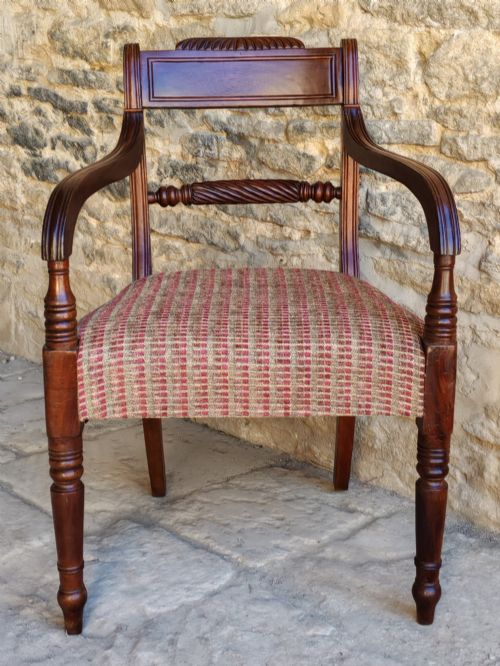
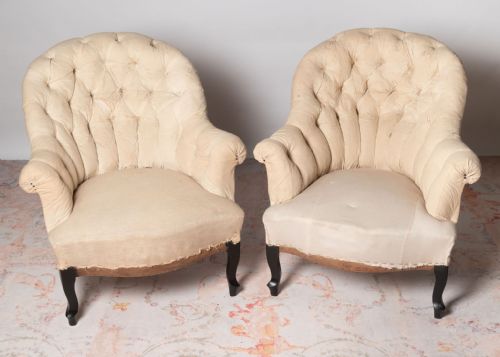
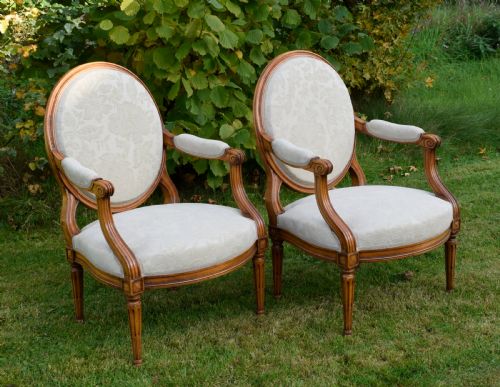
The selections available here range widely across historical periods, running from Georgian and Regency forms through to Edwardian and Art Deco designs. You will encounter both timber-framed armchairs with exposed woodwork and fully upholstered examples.
Armchairs and carvers dominate the listings, offering various iterations of period seating. These items provide both functional utility and distinct stylistic presence within an interior.
How they were made
Makers utilised traditional hardwoods such as mahogany, satinwood and yew for the structural frames of these chairs. These timbers provided the necessary strength for load-bearing components while allowing for decorative turning, carving and marquetry inlay.
Upholstery methods varied by period, employing materials like leather, velvet, silk and woven fabrics over supportive interiors. Metal elements such as brass occasionally appeared on castors or structural mounts to finish the design.
Some Edwardian chairs arrived with satinwood frames so bright they practically demand you wear sunglasses indoors.
What varies in quality
The standard of a piece rests heavily on the crispness of its woodwork and the integrity of its joinery. Finer examples display precise carving, well-matched timber grains and secure structural frames that have endured years of use.
Upholstery quality distinguishes different tiers of work, particularly in the hand-finishing of leather, the depth of velvet pile and the precision of the stitching. Original materials and period-appropriate recovering methods elevate the status of an armchair.
Howard and Sons
The Classic Accent Chairs Glossary
- Carver
- An armchair, typically designed with arms to match a set of dining chairs, often placed at the head of a table or used as a standalone seat.
- Bergere
- An enclosed upholstered armchair with wooden framing exposed around the sides and back, frequently featuring cane panelling.
- Marquetry
- Decorative veneer work where small pieces of different woods are fitted together to form geometric or pictorial patterns on the surface.
- Ropeback
- A chair back featuring carved decoration resembling a twisted rope, often associated with dining and occasional seating from the Regency period.
- Wingback
- An armchair with high sides and flanking panels designed to shield the sitter from drafts and retain heat from a fireplace.
Classic Accent Chairs: Frequently Asked Questions
What is an accent chair?
An accent chair is a standalone seating piece chosen to add visual interest, colour or a distinct period style to a room's existing scheme.
Unlike matching sofa suites, these chairs stand alone to break up monotony and provide extra seating where needed.
How do I date an armchair?
Dating relies on identifying the underlying style, timber choices and construction methods specific to a particular historical era.
Comparing the legs, back shape and upholstery style against documented period examples helps establish the likely decade of manufacture.
Where should I place a club chair?
Club chairs suit studies, libraries and living rooms where deep seating and comfortable proportions are desirable.
Their robust leather construction and low profile make them ideal for creating a relaxed seating corner beside a bookcase or fireplace.
Are these chairs suitable for daily use?
Most of these historic armchairs are structurally sound and built to handle everyday sitting when handled with reasonable care.
Checking the internal frame and upholstery support ensures the chair remains comfortable and functional for regular use in the home.