

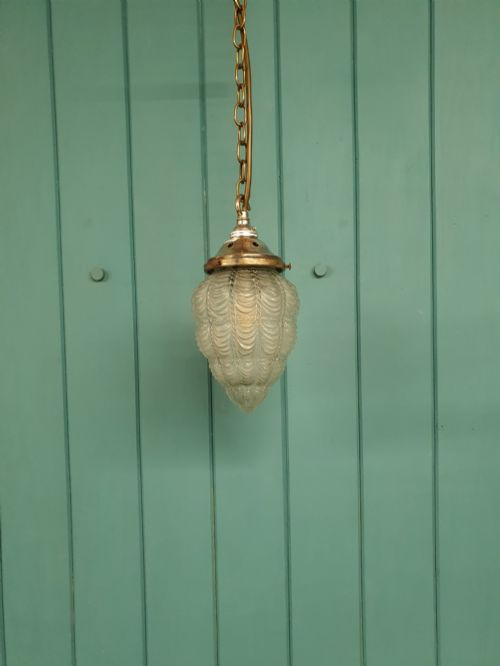


Chained Ceiling Light
A chained ceiling light suspends illumination securely from above, bringing period character and warm atmosphere to hallways, porches, and principal rooms.
Chained Ceiling Light
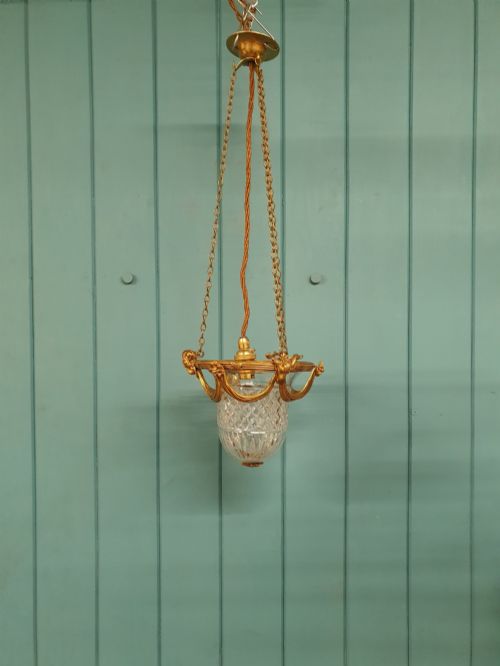
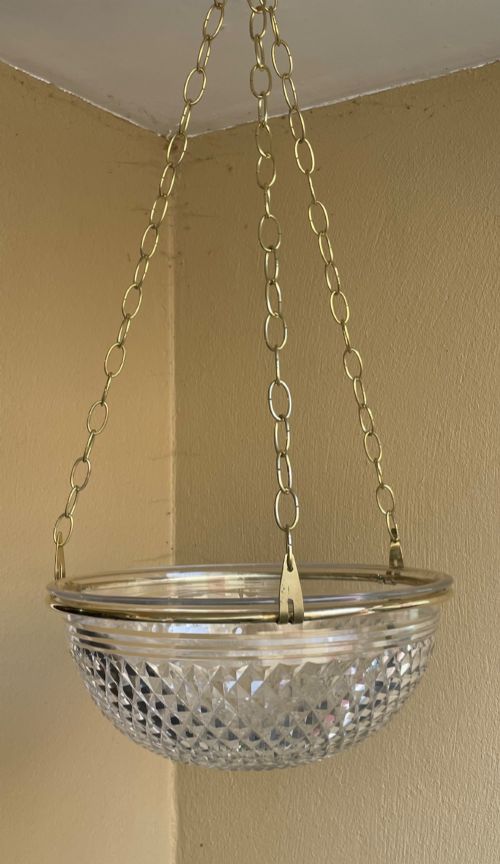
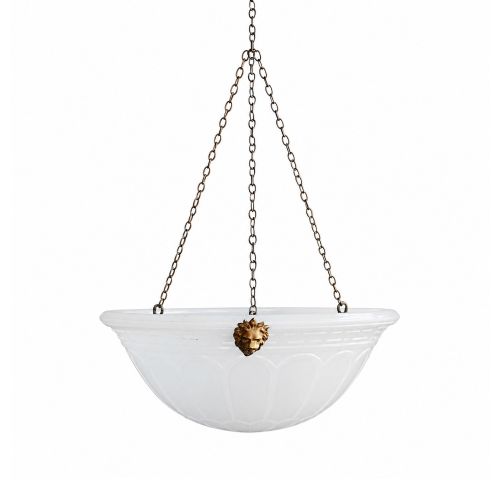
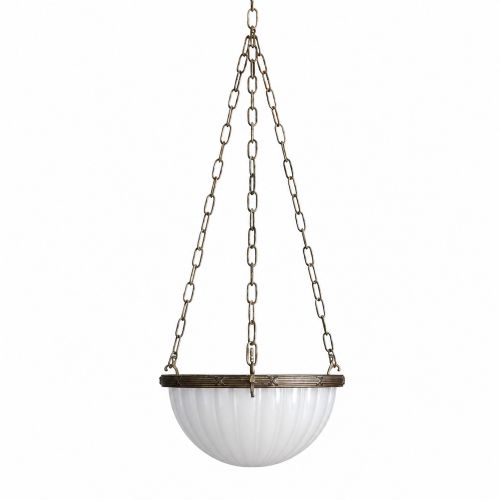
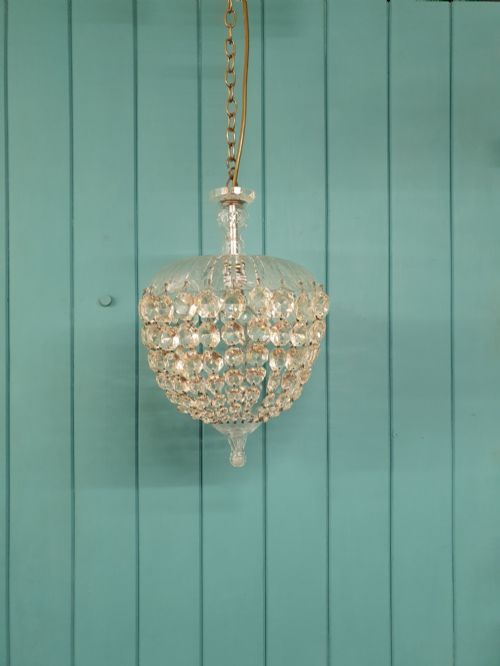
A chained ceiling light covers a broad range of hanging fixtures from the nineteenth century through the nineteen-thirties, including pendant lights, hall lanterns, and bowl-shaped plafonniers. These suspended fixtures serve to light interior spaces while providing a distinct decorative presence anchored by metal chains.
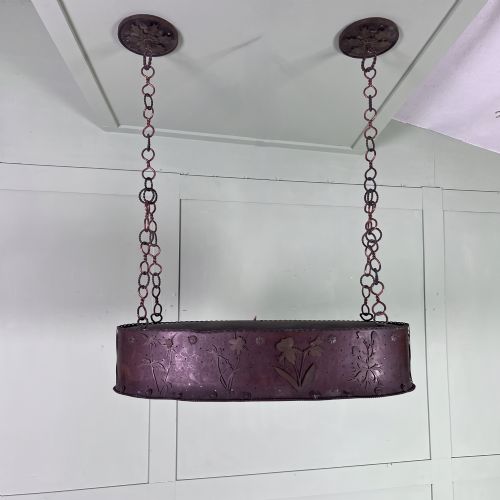
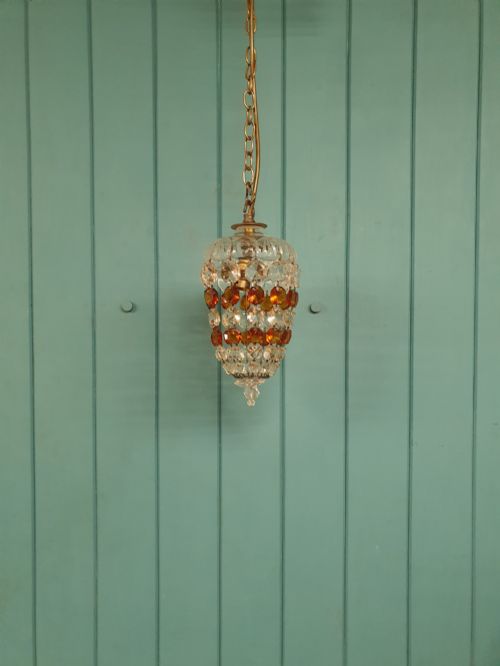
The selection includes styles running from robust Arts and Crafts copper through ornate Victorian brass and coloured glass to sleek Art Deco pink glass and early twentieth-century Holophane shades. Buyers encounter pieces originating from English and French workshops, utilising materials designed to diffuse or reflect light effectively.
Materials and construction methods
Construction relies heavily on metals such as brass, copper, bronze, and lead to form structural frames, lanterns, and suspension chains. These metals are shaped through casting, spinning, and soldering to create durable housings for internal light sources.
Glass forms the primary diffusing element, appearing in variations including cut glass, crystal, opaline, frosted glass, moonstone, leaded stained glass, and white alabaster. Specialised prismatic glass such as Holophane directs illumination efficiently downward through engineered surface patterns.
Chained Ceiling Light Retail Price Guide 2026
Typical asking prices for chained ceiling light among the pieces listed under this phrase on Sellingantiques today, from the lower quarter to the upper quarter. They describe what is for sale here now, not the wider market.
Some Edwardian porches once welcomed visitors under the watchful gaze of heavy leaded glass lanterns swaying gently on brass links.
Determinants of quality
Quality rests upon the weight and finish of the metalwork, where substantial cast brass or hand-hammered copper displays superior craftsmanship compared to thin stamped alternatives. The integration between the suspension chains, ceiling mounts, and the main body determines both stability and aesthetic harmony.
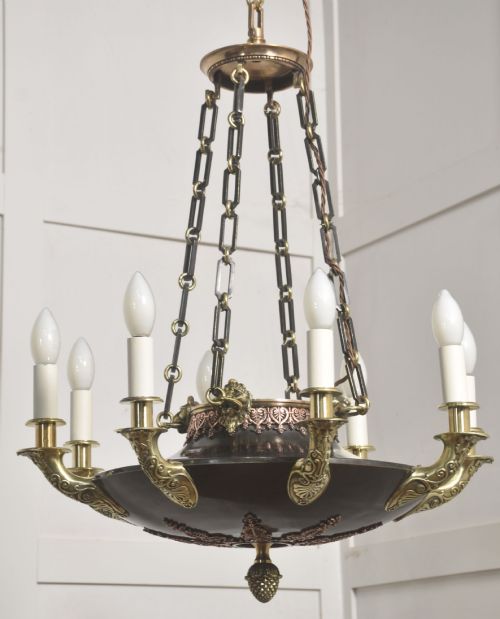
The sophistication of the glass component dictates overall distinction, distinguishing standard pressed shades from intricate cut glass, leaded stained panels, or specialised prismatic lenses. Fine detailing such as bronze rams head mounts or silver plating elevates specific examples.
The Chained Ceiling Light Glossary
- Plafonnier
- A bowl-shaped ceiling light fixture mounted close to the ceiling or suspended by short chains. This French term typically describes fixtures with glass or alabaster shades that direct light upwards and outwards.
- Holophane
- A brand of scientific glass illumination featuring prismatic ribs designed to refract and diffuse light efficiently. These shades control glare while maximising usable illumination.
- Lantern
- An enclosed lighting fixture featuring glass panels set within a metal framework. They frequently hang by chains in hallways, vestibules, and entrance porches.
- Opaline
- A milky, semi-translucent glass popular in nineteenth and early twentieth-century lighting. It softens harsh glare into an even, diffused glow.
- Chandelier
- A branched ornamental light fixture suspended from the ceiling by chains or rods. They accommodate multiple bulbs to illuminate larger spaces.
Chained Ceiling Light: Frequently Asked Questions
How do I hang a chained ceiling light safely?
Suspension relies on securing the ceiling canopy directly to a structural joist or a heavy-duty electrical box capable of supporting the combined weight of the metal and glass. The weight rests entirely upon the mounting hardware and chains rather than the electrical wiring.
Adjusting the drop involves shortening or lengthening the suspension links to achieve the desired height above the floor. Professional electrical installation ensures proper load-bearing capacity and correct wiring for antique fixtures.
What rooms suit a chained ceiling light best?
Hallways, entryways, and stairwells benefit greatly from hanging lanterns or compact pendants that command attention in transitional spaces. Lower-profile plafonniers and bowl shades work effectively in rooms with standard ceiling heights where dangling chains might otherwise obstruct movement.
Larger multi-light chandeliers and copper hanging fixtures anchor dining tables or principal reception rooms. The choice of room depends on the physical drop of the chains and the overall diameter of the shade.
How do I clean antique glass shades?
Remove the glass component from the metal frame whenever possible to prevent accidental damage during cleaning. Wash the glass gently in lukewarm water using a mild, non-abrasive detergent.
Dry the pieces thoroughly with a soft cloth to avoid water spots, particularly on cut glass or prismatic surfaces. Avoid harsh chemical cleaners that might strip historical patina or damage delicate finishes.
How can I tell the period of my light?
Dating relies on observing the stylistic indicators, material combinations, and manufacturing techniques characteristic of specific eras. Arts and Crafts pieces show hand-worked copper and straightforward construction, while Victorian fixtures favour ornate brass and coloured glass.
Later twentieth-century examples display streamline Art Deco forms or utilitarian Holophane prisms. Hardware types, screw threads, and wiring channels also provide clues to the approximate decade of manufacture.