

Century Farmhouse Table
A century farmhouse table brings generations of utilitarian service straight into the modern dining room.
Century Farmhouse Table
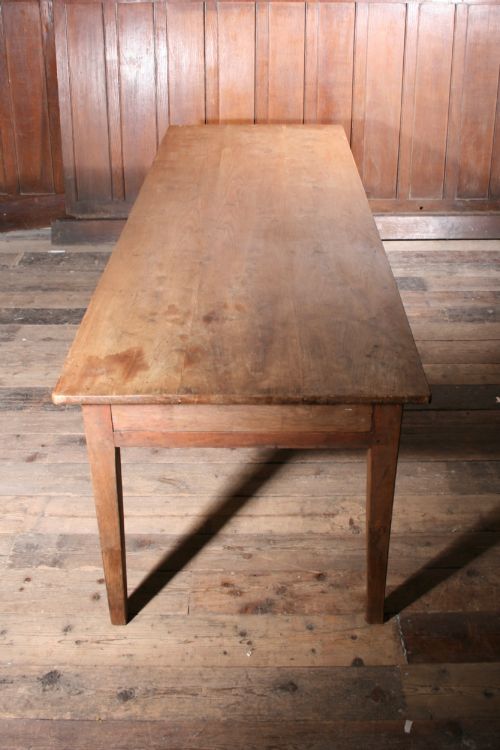
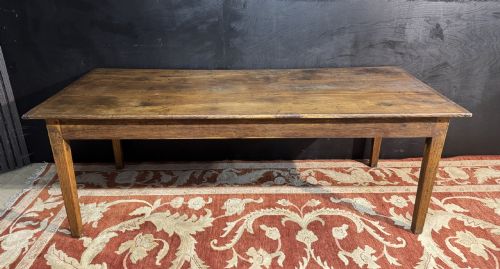
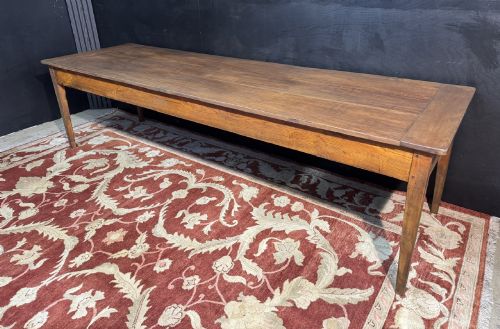
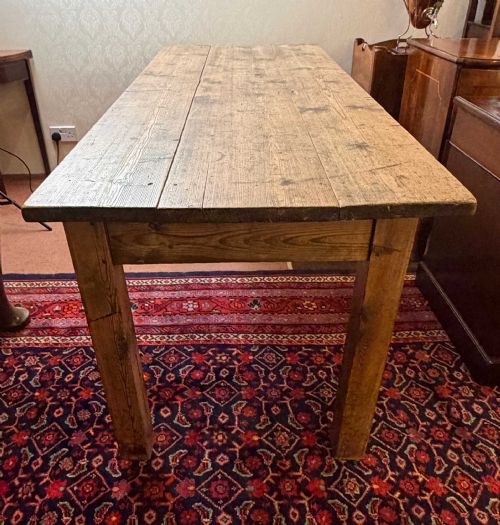
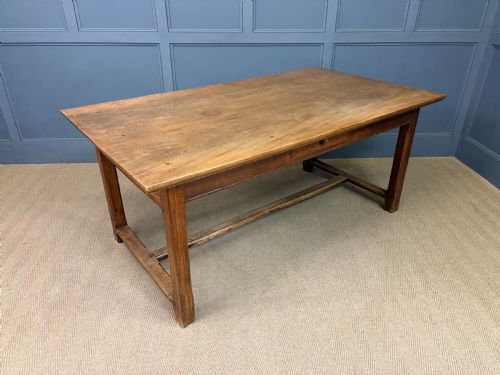
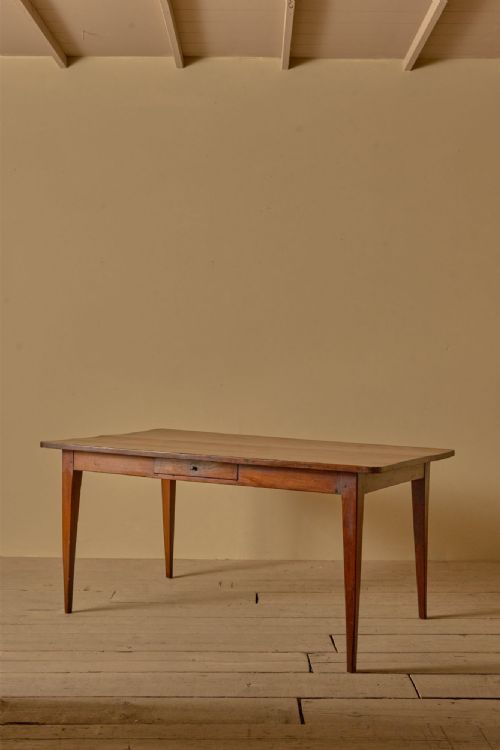
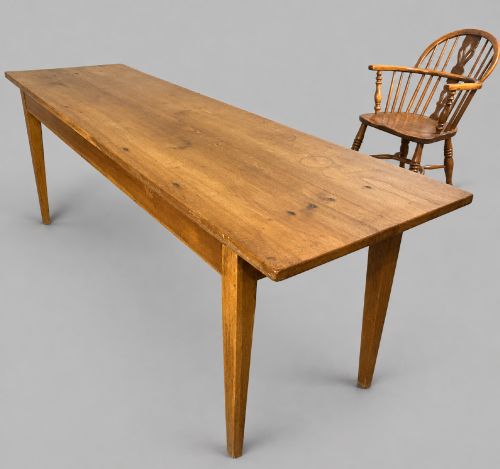
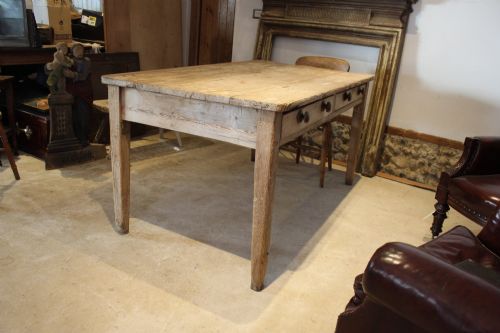
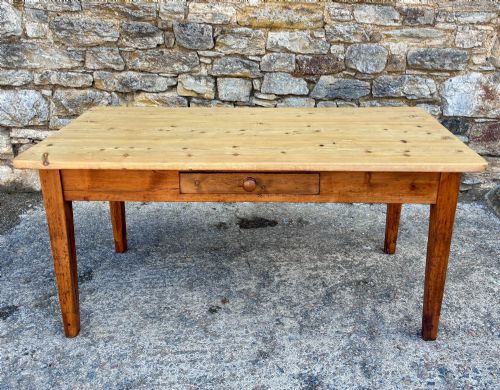
A century farmhouse table serves as the primary workspace and gathering place for domestic life, originating from periods spanning the eighteenth to the early twentieth century. When searching for a century farmhouse table, buyers encounter robust dining tables, kitchen work tables, and refectory forms built for heavy daily use.
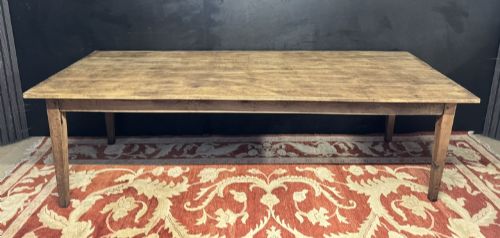
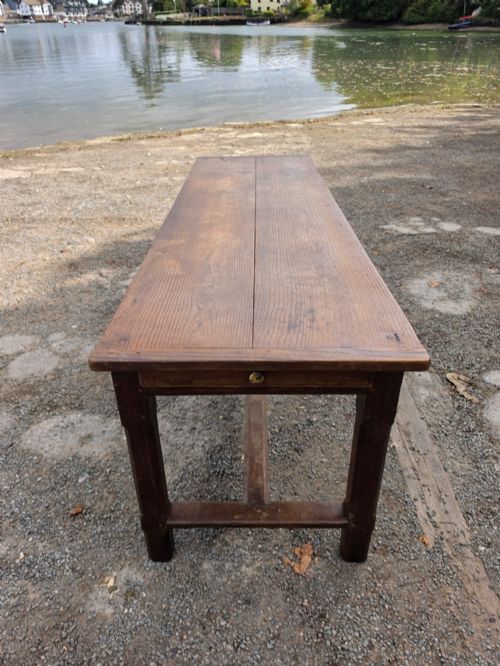
The materials reflect regional availability, yielding sturdy timber frames in oak, pine, elm, fruitwood, chestnut, and cherry wood. Many examples exhibit the linear proportions of French provincial and English country styles, often featuring twin plank tops or extended lengths suited for large rooms.
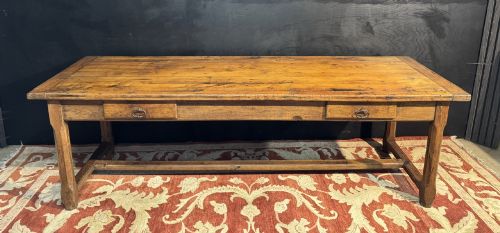
While traditional dining tables dominate the selection, the inventory also includes occasional console tables, coffee tables, and dresser bases with drawer storage. These pieces bridge utilitarian origins and domestic hospitality, showing honest wear from decades of preparation and meals.
Materials and construction methods
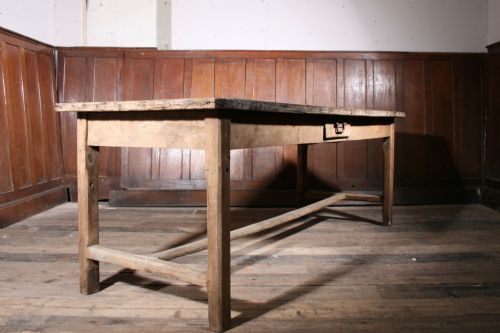
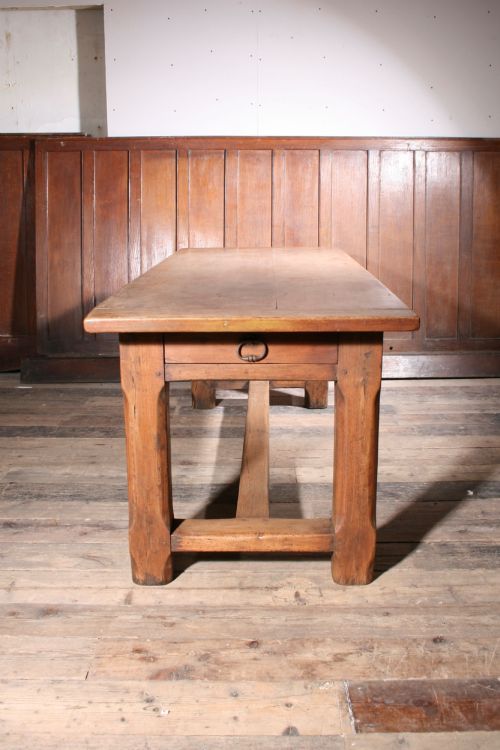
Construction relies on solid hardwoods and softwoods such as oak, elm, pine, and fruitwood, joined with traditional carpentry methods designed to withstand pressure and movement. Boards are frequently joined as twin planks or single wide slabs, secured to heavy frames with pegged mortise and tenon joints.
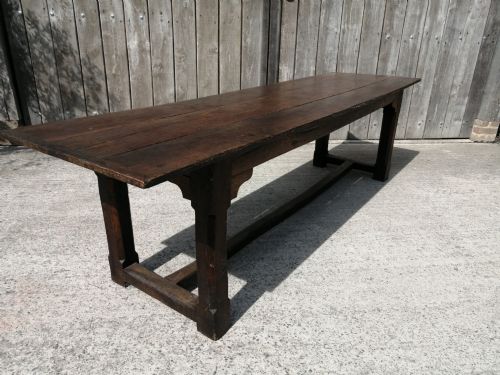
Leg structures vary from simple tapered legs and bobbin turnings to robust refectory stretchers and trestle supports. Surfaces display the tool marks of planes and saws, finished simply with natural oils or left bare to absorb the patina of daily kitchen work.
Century Farmhouse Table Retail Price Guide 2026
Typical asking prices for century farmhouse table among the pieces listed under this phrase on Sellingantiques today, from the lower quarter to the upper quarter. They describe what is for sale here now, not the wider market.
Some nineteenth-century laundry tables stretch nearly three metres long, built specifically to handle wet linens before electric irons existed.
Quality factors in traditional tables
Quality rests in the integrity of the timber selection and the retention of original surfaces rather than applied ornamentation. Tables built from dense timbers like old-growth oak, chestnut, or fruitwood maintain structural stability without excessive modern reinforcement.
The proportion of the boards and the harmony between the top and the base separate standard utility tables from exceptional examples. Original stretcher arrangements, untouched patination, and minimal structural alterations determine the standing of each piece.
The Century Farmhouse Table Glossary
- Refectory table
- A long narrow dining table traditionally used in monastic or large domestic dining halls. These forms often feature substantial central stretchers running the length of the base.
- Twin plank table
- A top constructed from two wide boards joined edge to edge. This method appears frequently in older fruitwood and chestnut dining surfaces.
- Dresser base
- A lower cabinet or sideboard fitted with drawers, utilised for storage in kitchens and dining rooms. Examples often share the timber and construction of contemporary tables.
- Bobbin leg
- A turned furniture leg shaped to resemble a series of wooden bobbins or spools stacked end to end. This decorative turning appears on nineteenth-century examples.
- Patina
- The surface sheen and colour developed through years of handling, cleaning, and exposure to light. A desirable patina signals genuine age and continuous use.
Century Farmhouse Table: Frequently Asked Questions
How do I clean a wooden farmhouse table?
Wipe surfaces using a damp cloth and mild soap, avoiding harsh chemical sprays that strip the natural finish. Dry the wood thoroughly immediately afterward to prevent moisture damage.
Maintain the timber occasionally with a light application of beeswax or nourishing oil to preserve the grain and protect against spills during daily use.
Can I use an old kitchen table for daily dining?
These tables were constructed specifically for heavy daily labour and shared meals, making them ideal for modern family dining. Their robust timber frames tolerate regular use without losing structural stability.
Protect the historic surface from excessive heat and standing liquid by using placemats and coasters, allowing the piece to endure further generations of service.
How do I tell oak from fruitwood?
Oak displays a pronounced open grain with visible medullary rays, often showing a warm golden-brown tone that deepens over centuries. The timber is exceptionally heavy and hard.
Fruitwood, including cherry and pear, presents a finer, tighter grain with subtle variations in colour ranging from pale amber to reddish brown.
What is a twin plank top?
A twin plank top consists of two wide timber boards joined side by side to form the surface of the table. This construction method was common before wide industrial milling became widespread.
Inspect the underside to see how the planks are secured with battens or cleats, which allow the timber to expand and contract naturally with seasonal humidity changes.