


Carved Wooden Art
Carved wooden art encompasses sculptural animals, architectural fragments, and folk objects shaped from oak, pine, and fruitwood over several centuries.
Carved Wooden Art
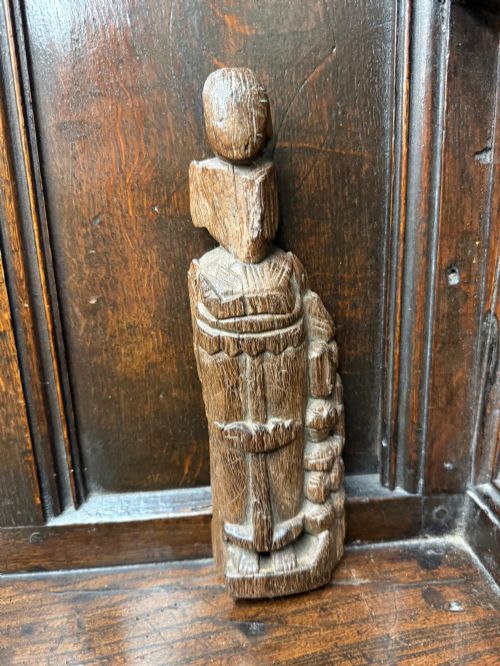
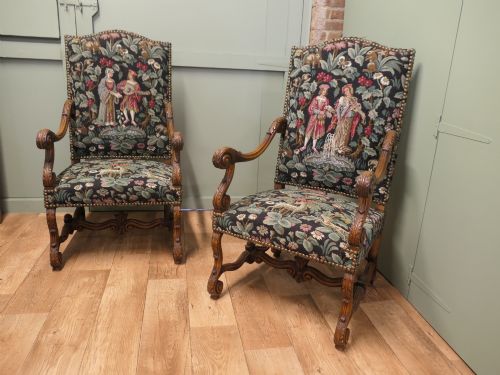
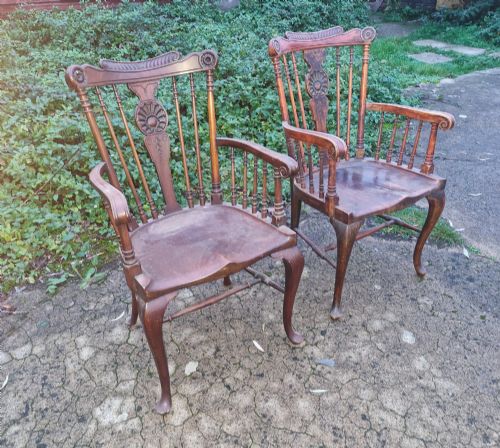
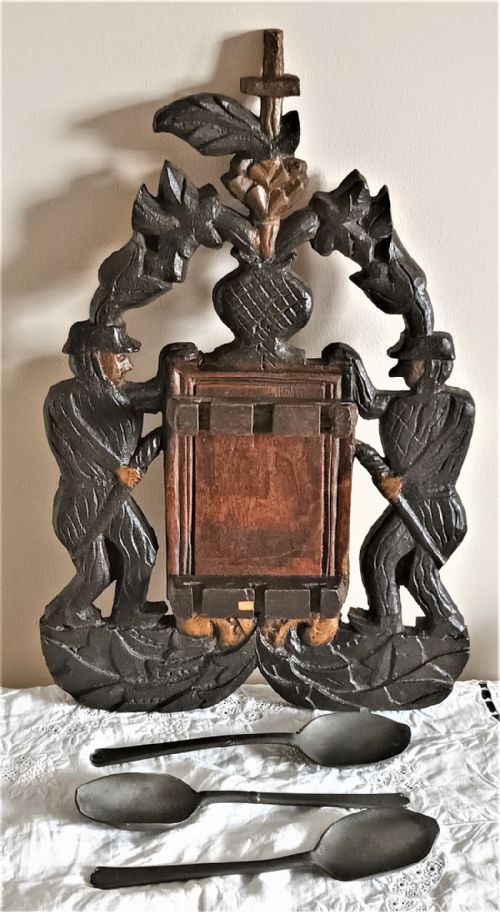
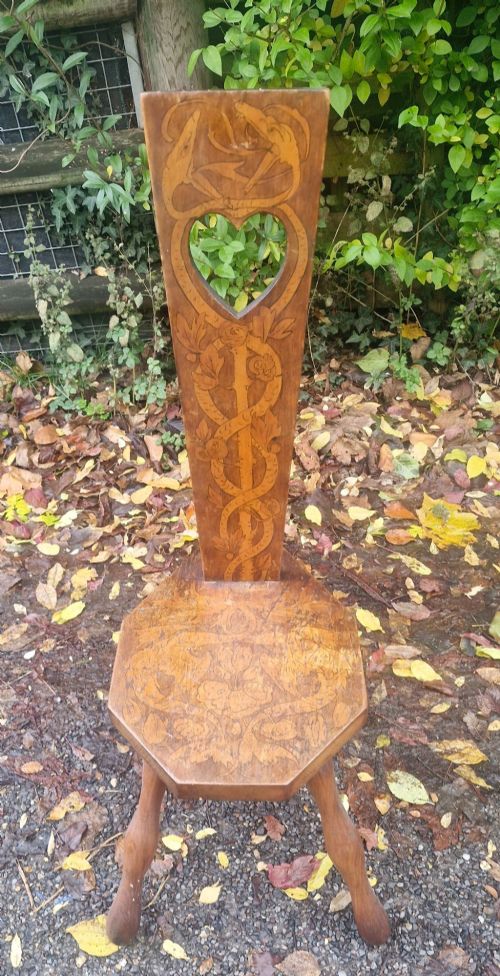
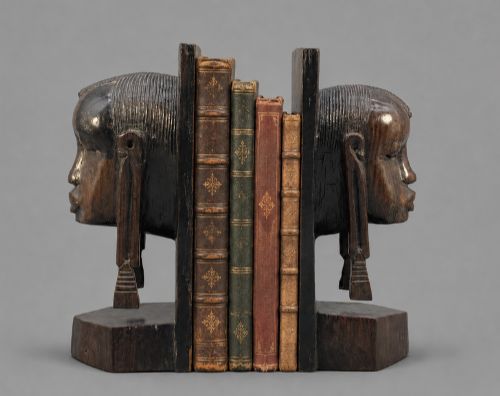
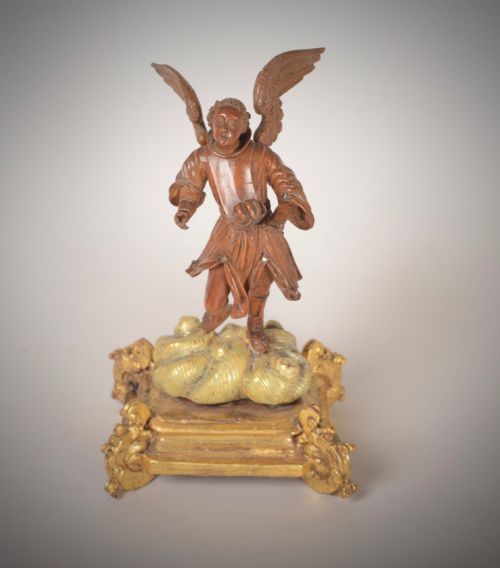
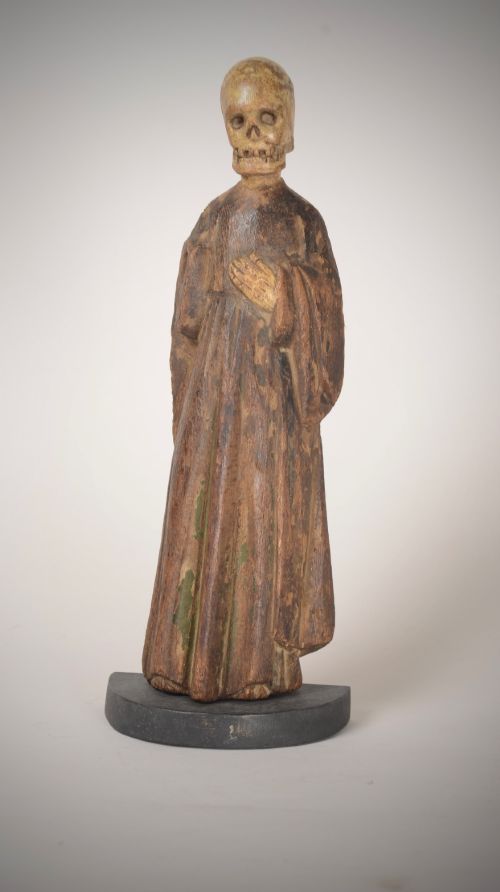
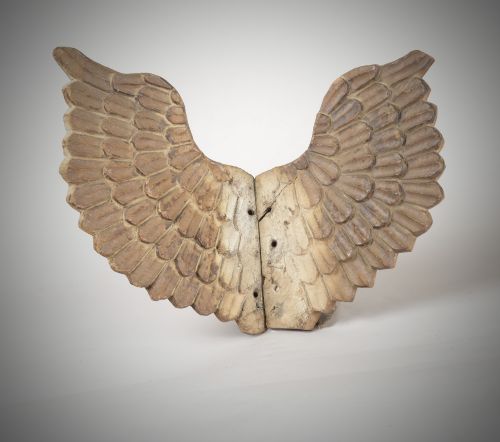
Carved wooden art brings together diverse functional and decorative objects shaped from timber, ranging from architectural panels and church carvings to miniature animal figures and snuff boxes. Pieces bearing this description reflect traditional hand-shaping methods employed across the nineteenth and early twentieth centuries, as well as earlier sixteenth-century fragments.
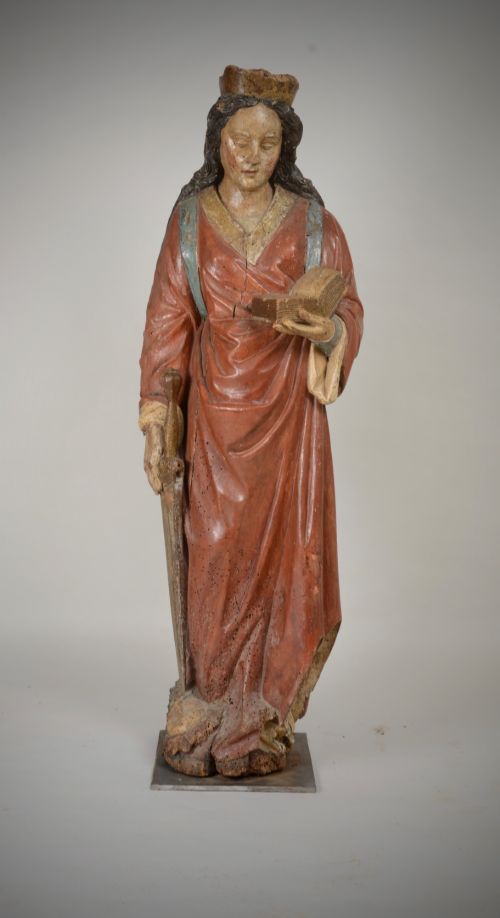
The origin of these works stretches from British regional workshops to continental European studios, taking in Bavarian folk carvings, Japanese cedar animal figures, and French polychrome sculptures. Each item demonstrates how makers applied chisel and gouge to turn plain timber into ornamented domestic objects.
Materials and construction methods
Makers relied principally on native and imported hardwoods and softwoods, utilising oak, elm, mahogany, pine, and fruitwood depending on regional availability and the intended function of the object. Timber was selected for grain and density before being shaped with hand tools.
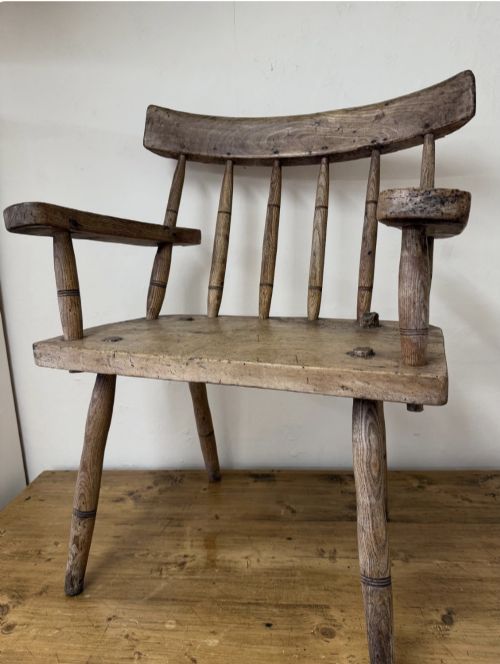
Carpenters and carvers joined structural elements using traditional pegged joints, dovetails, and mortise-and-tenon construction, particularly visible in larger pieces such as oak sideboards, settles, and bookcases. Surface decoration involved direct chisel carving, low-relief panel work, and occasionally polychrome paint finishes.
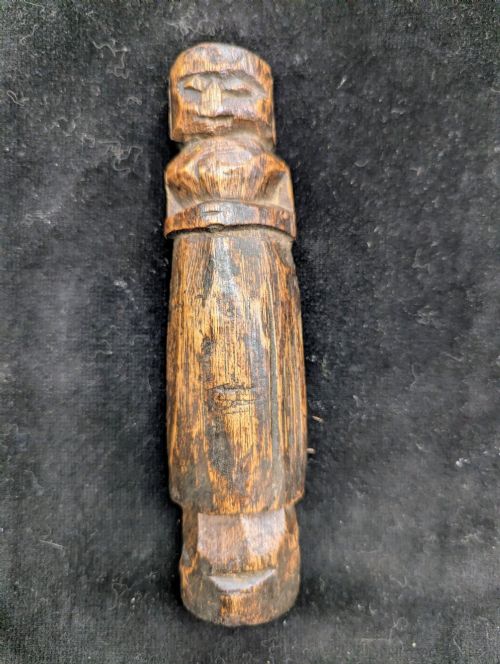
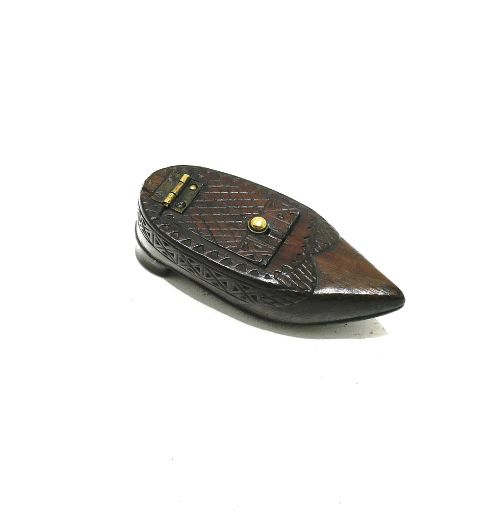
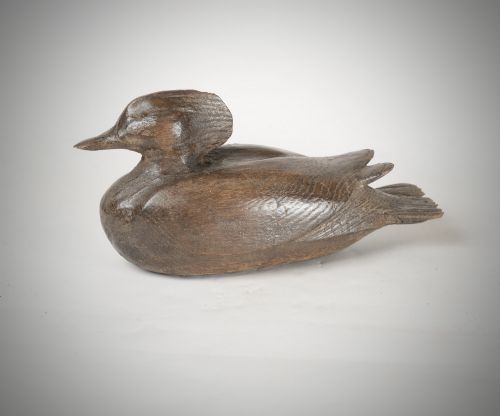
Smaller decorative pieces and folk objects display direct knife and gouge work, leaving tool marks that reveal the hand of the maker on items such as decoy ducks, knitting sheaths, and snuff boxes.
Carved Wooden Art Retail Price Guide 2026
Typical asking prices for carved wooden art among the pieces listed under this phrase on Sellingantiques today, from the lower quarter to the upper quarter. They describe what is for sale here now, not the wider market.
A wooden cow on wheels stands ready to roll into the living room alongside a congregation of hand-carved decoy ducks.
Distinctions in craftsmanship and condition
Quality rests upon the crispness of the chisel work and the harmony between the carved ornament and the underlying structure of the piece. Master carvers achieved depth and fluidity in foliage, figures, and animal forms, whereas lesser examples show stiff, shallow incisions.
The integrity of the timber and the retention of original surface finishes significantly influence the character of an object. Pieces retaining untouched patination, original polychrome paint, or authentic pegged joinery command greater appreciation than those altered by later sanding or replacement hardware.
Liberty and Co·Bulstrode Cambridge
The Carved Wooden Art Glossary
- Folk art
- Objects created by self-taught or traditional craftsmen for domestic or community use. These pieces prioritise practical function and regional aesthetic traditions over formal academic training.
- Polychrome
- Painted in several colours. This surface treatment appears on continental church carvings and figurative sculptures.
- Treen
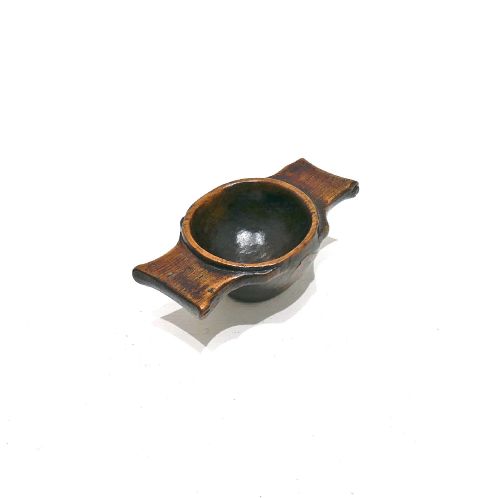
- Small handmade wooden domestic objects. Examples include knitting sheaths, snuff boxes, and small utilitarian containers.
- Settle
- A wooden bench with a high back, solid arms, and often a storage box beneath the seat. These items frequently feature carved panels or architectural mouldings.
- Purdonium
- A dedicated coal box designed for domestic hearths. They are often constructed from oak with panelled doors and hinged lids.
Carved Wooden Art: Frequently Asked Questions
What is carved wooden art?
Carved wooden art comprises decorative objects, furniture elements, and folk sculptures shaped from timber by hand. It includes items ranging from architectural wall panels and church carvings to animal figures and small boxes.
Makers utilised materials like oak, pine, elm, and fruitwood, applying traditional joinery and carving techniques to produce both functional household goods and purely ornamental pieces.
How are carved wooden panels used?
Carved wooden panels serve as wall decoration, furniture embellishments, or architectural salvage integrated into domestic interiors. They add texture and historical character to plain walls or fitted cabinetry.
Collectors often display individual panels mounted on walls or use them as focal points within rooms furnished in period styles.
How do I identify folk art wooden pieces?
Folk art wooden pieces typically display straightforward construction methods, regional design characteristics, and visible tool marks left by the maker. They encompass items such as decoy ducks, animal figures, and treen.
These objects derive their appeal from originality and directness of execution rather than adherence to strict academic design rules.
What periods do these wooden items represent?
The items span several centuries, with particular concentrations from the nineteenth and early twentieth centuries alongside occasional sixteenth-century fragments. Styles reflect Victorian, Edwardian, Arts and Crafts, and Art Nouveau movements.
Pieces from different eras show distinct approaches to ornamentation, from Gothic revival relief carving to clean Arts and Crafts pegged construction.