



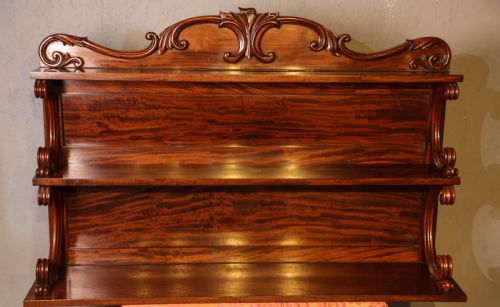


Carved Wood Wall Unit
These carved wood wall unit pieces bring practical display space to your rooms.
Carved Wood Wall Unit
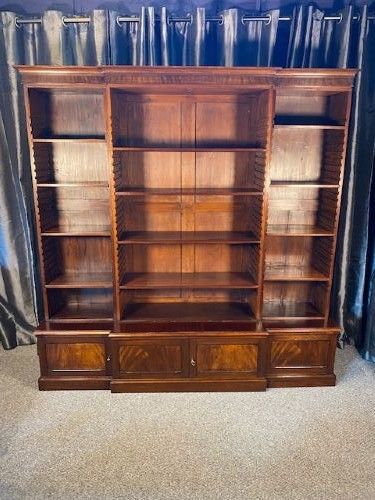
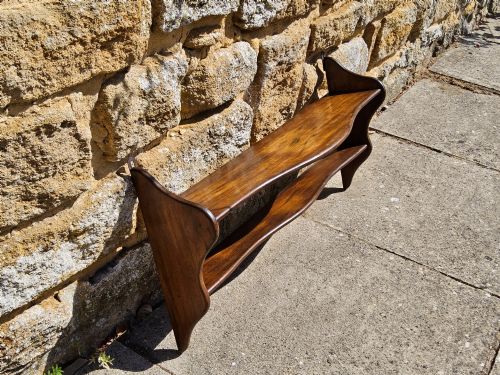
A carved wood wall unit provides structured storage and display space mounted directly onto interior walls or nestled into corners. When you search for a carved wood wall unit, you encounter pieces that range from compact hanging shelves to substantial cabinets and bookcases.
The selections span multiple eras, with nineteenth century examples appearing frequently alongside eighteenth century Georgian items and later Victorian, Edwardian, and art deco designs. Oak, mahogany, walnut, and cherry wood form the primary structural materials for these mounted fixtures.
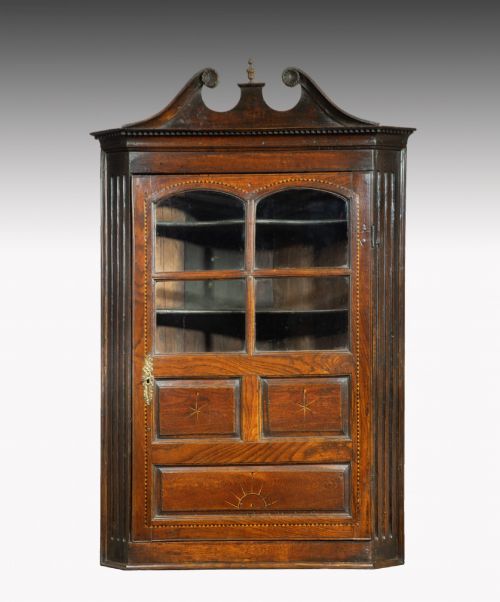
Corner cabinets, wall shelves, and display shelving units represent the most common forms available. Makers from various periods utilised timber construction combined with brass hardware, ceramic details, and intricate carving to finish each piece.
Materials and construction methods
Makers utilised solid timbers such as oak, walnut, mahogany, cherry wood, and pine alongside flame mahogany veneer and olive wood inlay. These woods provided durable foundations for hanging cabinets, corner cupboards, and open wall shelves.
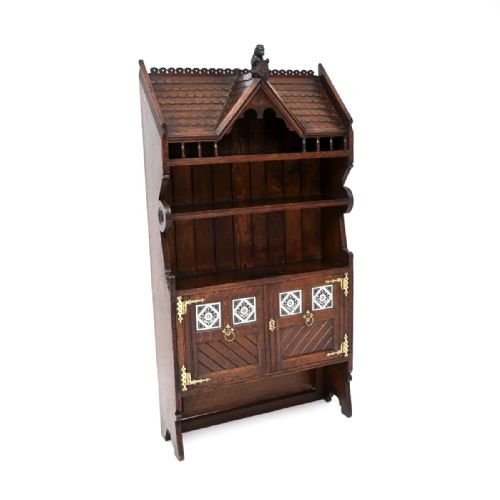
Craftsmen applied hand carving, applied giltwood, and marquetry techniques to embellish the wooden surfaces of aesthetic movement, rococo revival, and gothic revival pieces. Brass fittings and ceramic elements frequently completed the hardware and decorative scheme of the wall units.
Carved Wood Wall Unit Retail Price Guide 2026
Typical asking prices for carved wood wall unit among the pieces listed under this phrase on Sellingantiques today, from the lower quarter to the upper quarter. They describe what is for sale here now, not the wider market.
The documented periods span from the eighteenth century through the Victorian era, Edwardian period, and into early twentieth century art deco designs.
Factors that define quality
The choice of timber and veneer determines the foundational standard of each piece, with dense hardwoods and carefully matched grain patterns appearing in finer examples. Superior execution in hand carving and inlay work distinguishes workshop pieces from simpler utilitarian shelving.
Integrity of construction, including tight corner joints and sound mounting points, separates robust examples from those showing structural wear. The retention of original hardware, brass fixtures, and surface finishes maintains the integrity and character of historical items.
John Moyr Smith
The Carved Wood Wall Unit Glossary
- Wall unit
- A fitted or hanging furniture assembly designed for storage and display on vertical surfaces. These pieces include open shelving, enclosed cabinets, and corner units.
- Corner cabinet
- A storage piece specifically built with a triangular footprint to fit directly into room corners. Georgian and Victorian examples frequently utilise this space-saving configuration.
- Etagere
- A set of open tiered shelves used for displaying ornaments and small objects. Examples in amboyna and other fine woods highlight nineteenth century craftsmanship.
- Inlay
- A decorative technique where contrasting materials are inserted into recessed portions of a wooden base. Sorrento pieces frequently employ this method using olive wood.
- Giltwood
- Timber that has been coated with gold leaf or gold paint for decorative effect. Carved brackets and shelves often feature this gilded finish.
Carved Wood Wall Unit: Frequently Asked Questions
How do I hang a heavy wooden wall cabinet safely?
Heavy wall units require secure fixing directly into wall studs or masonry using appropriate fixings matched to the weight of the timber.
Professional installation ensures the structural load distributes evenly across the hanging brackets and prevents damage to plaster walls.
What is the difference between a corner cabinet and wall shelves?
Corner cabinets feature enclosed doors that conceal stored items within a triangular frame designed for room angles. Wall shelves provide open platforms mounted directly to flat wall surfaces for visible display.
Both forms maximise vertical space while serving different aesthetic and practical storage requirements.
How do I care for antique wood finishes?
Maintain wooden surfaces by dusting regularly with a soft cloth and avoiding harsh chemical polishes or excessive moisture. Periodic application of appropriate wax preserves the historic sheen of mahogany, oak, and walnut.
Keep wall units away from direct heat sources and strong sunlight to prevent timber warping and finish degradation.
How do I identify Victorian Gothic Revival pieces?
Victorian Gothic Revival woodwork exhibits characteristic architectural motifs such as pointed arches, quatrefoils, and heavy carved details. These items typically utilise dark oak or beech to create a robust medieval aesthetic.
Construction methods and hardware from the nineteenth century further confirm the period origin of the shelving.