
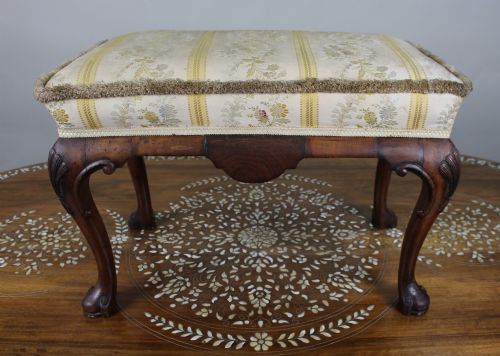
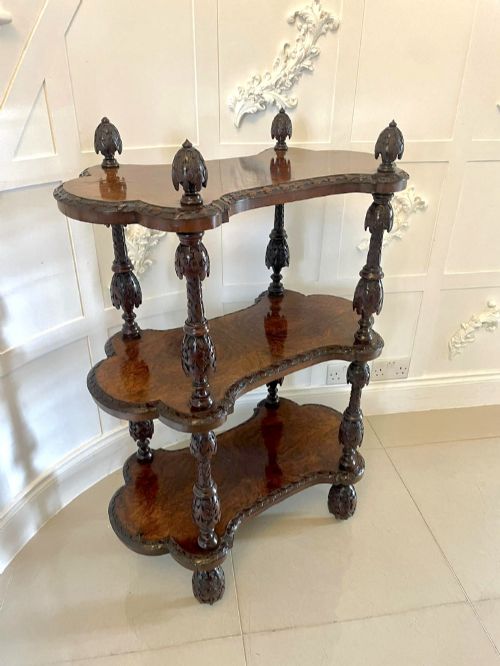
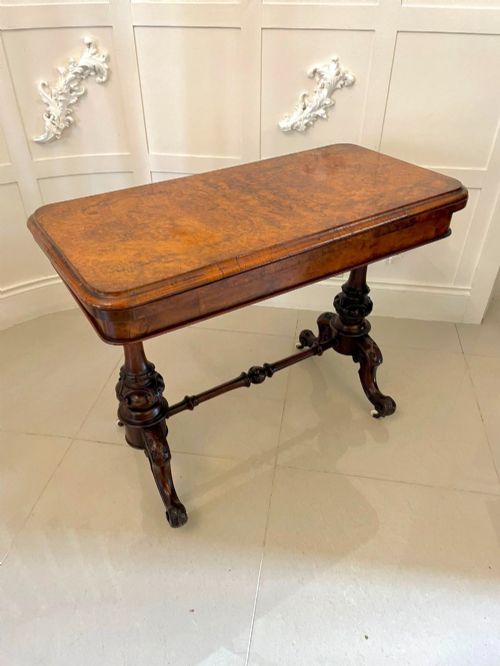
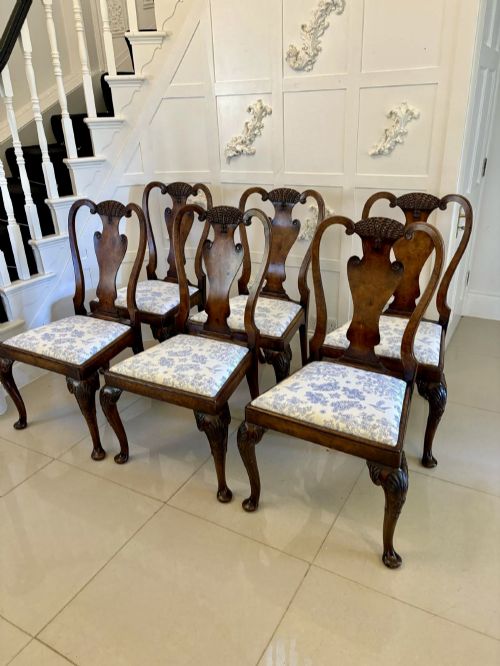
Carved Walnut Tables
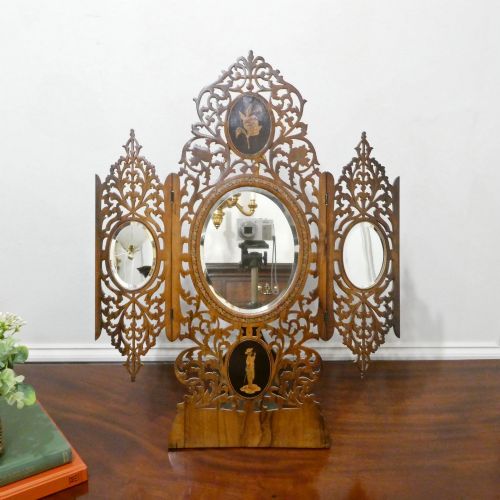
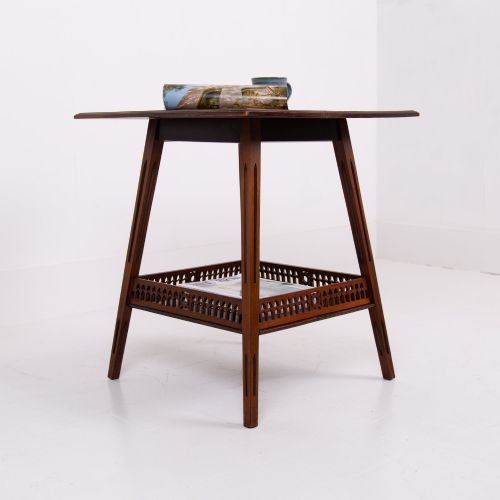
These carved walnut tables bring warmth and rich grain to a room, ranging from grand Victorian centrepieces to smaller occasional designs.
Carved Walnut Tables
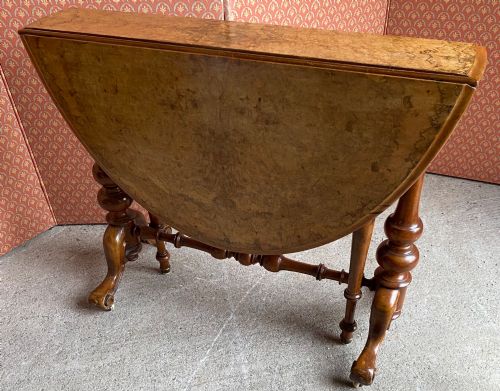
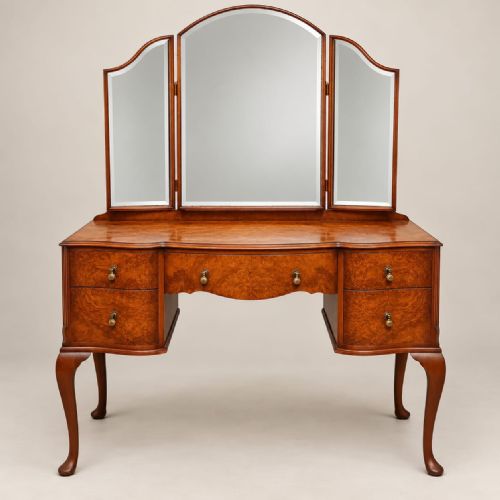
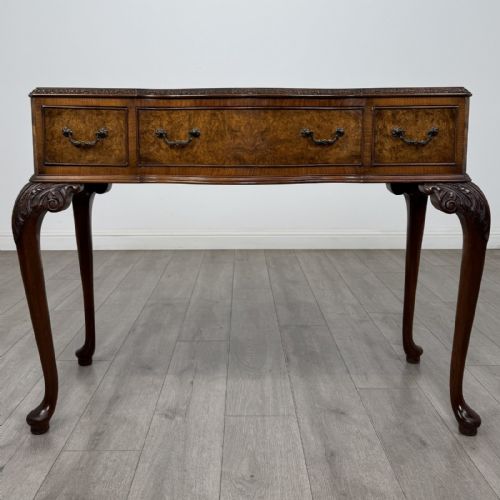
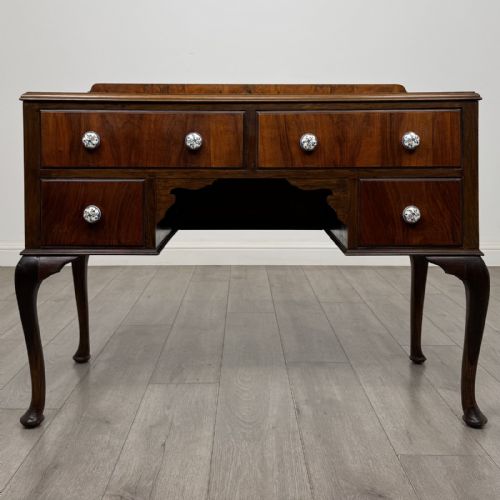
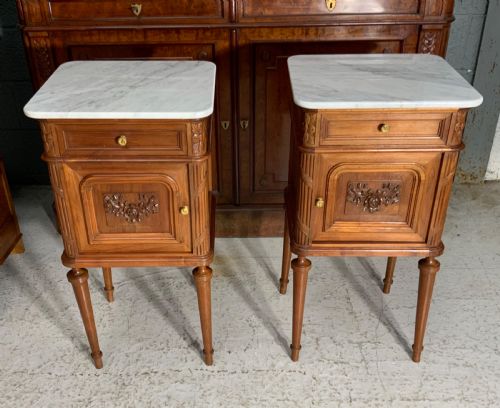
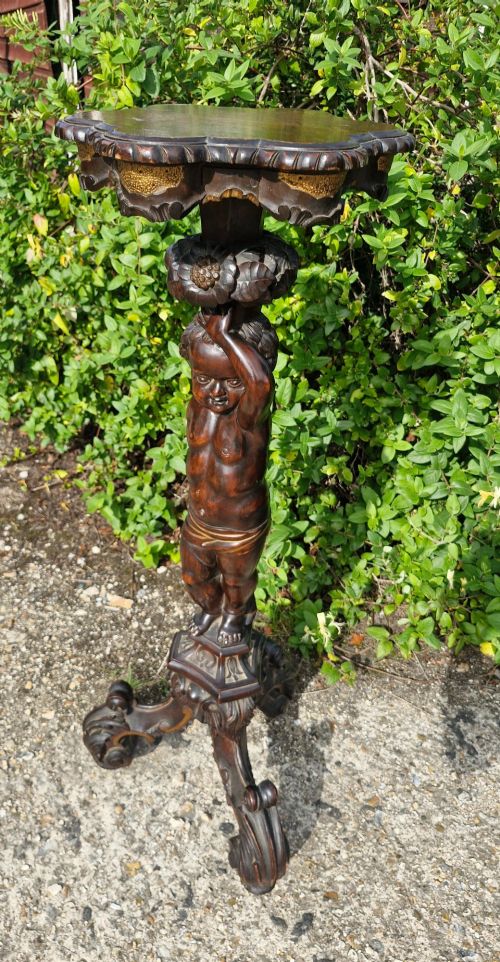
Carved walnut tables encompass a diverse group of domestic furniture, most frequently appearing in Victorian and Edwardian iterations alongside earlier styles. Buyers encounter various forms, from occasional and centre tables to dedicated card and writing tables.
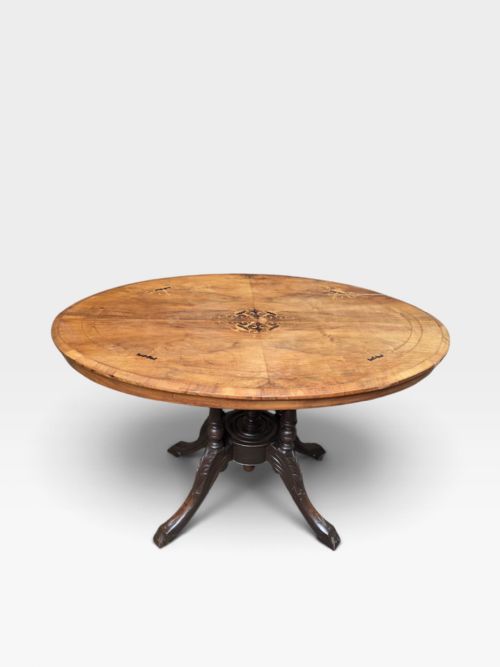
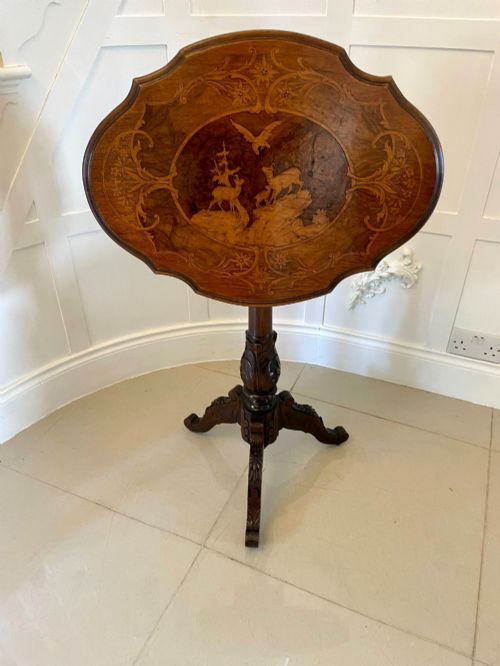
The selection reflects distinct regional influences and revival movements, including Queen Anne and Louis XVI styles, as well as marquetry inlaid pieces from Victorian workshops.
Assessing craftsmanship
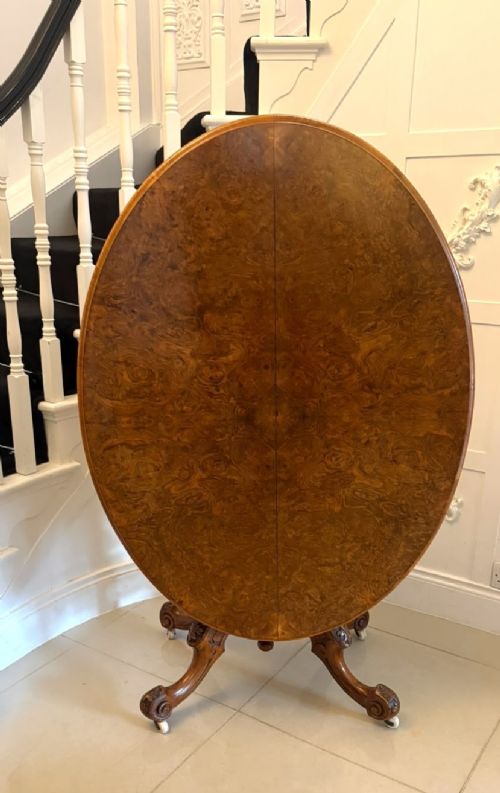
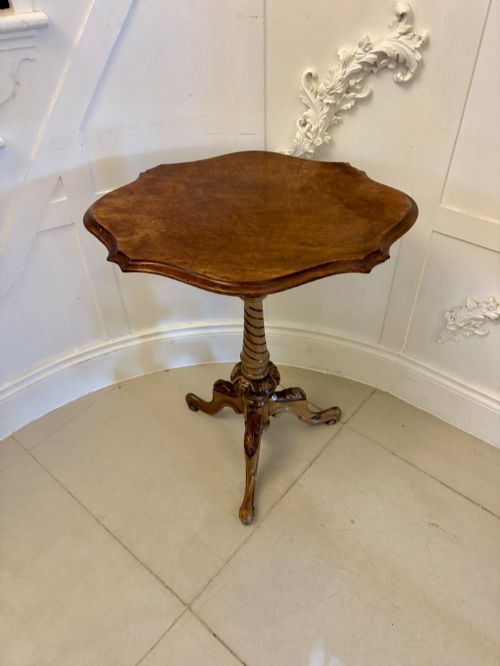
Quality rests in the selection of the timber grain, particularly the depth and pattern of burr walnut veneer, matched carefully across table tops. Crispness in hand carving separates standard production from exhibition pieces.
The integrity of secondary timbers, smooth operation of drawers or tilt mechanisms, and precision of marquetry inlay distinguish superior examples from simpler household furniture.
Makers applied walnut to domestic items beyond furniture, including tuned musical brass bells housed in wooden racks.
James Shoolbred·Howard and Sons
The Carved Walnut Tables Glossary
- Burr walnut
- A specialised timber cut from walnut tree growths, prized for its swirling, highly figured grain patterns. It provides a decorative surface on table tops and cabinet fronts.
- Marquetry
- The art of applying pieces of veneer to a structure to form decorative patterns and pictures. It appears frequently on Victorian table surfaces.
- Tilt top
- A mechanism allowing the table top to pivot vertically for storage when not in use. This feature is common on nineteenth-century centre and occasional tables.
- Centre table
- A freestanding table designed to be viewed from all sides rather than placed against a wall. These often occupy the middle of a principal room.
Carved Walnut Tables: Frequently Asked Questions
Where should I place a centre table?
Centre tables function best as freestanding statement pieces in hallways or principal rooms where they can be viewed from all sides.
Their finished undersides and decorative tops make them unsuited for placement against a wall.
How do I care for burr walnut?
Burr walnut requires protection from direct sunlight and excessive heat to prevent the delicate veneer from drying and cracking.
Routine dusting with a dry cloth and occasional application of appropriate furniture wax maintains the timber's lustre.
What is a tilt top used for?
Tilt top mechanisms allowed nineteenth-century households to store tables against walls when floor space was needed for other activities.
Today, the pivoting feature remains a practical detail that displays the decorative marquetry or grain of the table top.
Are these tables suitable for daily office use?
Writing and pedestal tables from the Victorian and Edwardian periods offer practical surfaces for modern study spaces.
Many incorporate leather writing inserts and stationery drawers that suit contemporary working requirements.