

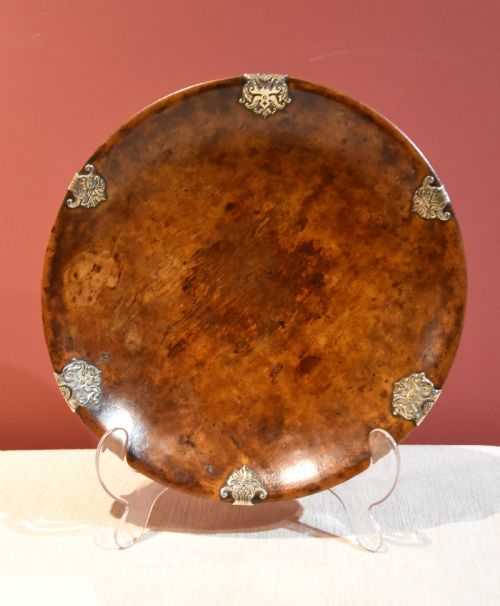


Carved Silver Bowl
A carved silver bowl brings tactile warmth to a room, offering chased botanical patterns and gleaming metalwork that suit modern and traditional interiors alike.
Carved Silver Bowl
When searching for a carved silver bowl, buyers encounter a diverse selection spanning solid sterling silver, silver plate, and white metal formations. The inventory includes objects from the seventeenth century through to the nineteen-thirties, reflecting varied origins from British workshops to Chinese export and Thai craftsmanship.
Forms extend beyond standard vessels to encompass footed bowls, decorative dishes, centerpieces, and specialised pieces incorporating burr wood, horn, and jade rims. Many items feature intricate repousse work and detailed ornamentation, showing the breadth of historical metalworking traditions available on the market.
The assortment captures both grand nineteenth-century centrepieces and smaller Edwardian horn vessels mounted in silver. These functional and decorative objects demonstrate how different eras approached surface carving and metal manipulation.
Materials and construction methods
Makers utilised solid silver, sterling silver, and silver plate over base metals, often combining metalwork with organic materials such as burr walnut, maple, coquilla nut, and horn. These mixed-media pieces demonstrate how artisans integrated natural grains and textures with polished metallic mounts.
Techniques relied upon hand-crafting methods including repousse hammering, chasing, and detailed engraving to create high-relief surface decoration. White metal and gold gilt accents also appear across the periods, showing varied finishing approaches used by international silversmiths.
Carved Silver Bowl Retail Price Guide 2026
Typical asking prices for carved silver bowl among the pieces listed under this phrase on Sellingantiques today, from the lower quarter to the upper quarter. They describe what is for sale here now, not the wider market.
One unexpected nineteenth-century creation pairs a delicate meerschaum bowl with a white metal pipe and quill stem.
Distinctions in craftsmanship
Quality rests upon the crispness of the chased or repousse detailing and the precision with which silver mounts fit organic elements like horn and burr wood. Superior examples display deep, deliberate carving that retains structural integrity without thinning the metal walls.
The harmony between secondary materials, such as jade rims or wooden bodies, and the primary silver work dictates the overall standard of the piece. Master silversmiths achieved balanced proportions and secure joints that distinguish fine decorative vessels from standard utilitarian wares.
Tiffany & Co
The Carved Silver Bowl Glossary
- Repousse
- A metalworking technique where the artisan hammers the metal from the reverse side to form a raised design in relief. This method creates tactile depth across the surface of a bowl.
- White metal
- An alloy of various non-precious metals used in historical manufacturing when sterling silver was not utilised. It provides a bright finish resembling silver without the associated hallmark stamp.
- Silver plate
- A thin layer of silver bonded to a base metal core such as copper or Sheffield plate. This technique offered an accessible alternative to solid silver vessels during the Georgian and Victorian eras.
- Centrepiece
- A large decorative table vessel designed to hold fruit or floral arrangements as the focal point of a dining setting. These substantial items often feature ornate casting and detailed chased work.
- Coquilla nut
- The hard, dark brown seed of a South American palm tree frequently turned on a lathe for small vessels and handles. It provides a dense, wood-like material that accepts fine detail when carved.
Carved Silver Bowl: Frequently Asked Questions
How do I clean a carved silver bowl?
Use a soft microfiber cloth and a mild silver cleaner formulated to protect delicate chased details and repousse recesses. Avoid abrasive pastes that can wear down historical surface work.
Take care around organic elements such as horn, wood, or jade rims, keeping moisture away from natural joins and glued fittings during maintenance.
Are these bowls suitable for daily use?
Many solid silver and plated vessels function well for serving dry foods, holding fruit, or displaying decorative items in a domestic setting. Consider the age and structural condition before utilising antique pieces for heavy dining.
Items incorporating delicate organic components like horn or meerschaum require careful handling to preserve their historical integrity over time.
What does silver plate mean on these items?
Silver plate indicates that a thin layer of silver is fused or electroplated onto a base metal foundation. This process allowed makers to produce impressive domestic items at a lower cost than solid sterling silver.
Sheffield plate represents an early form of this technique where a silver sheet was fused to a copper ingot before being hammered into shape.
How can I tell the period of a bowl?
Examine the stylistic markers, manufacturing techniques, and any accompanying hallmarks or maker stamps stamped into the metal. Georgian and Victorian pieces often display distinct revival motifs and heavier casting methods.
Material combinations also offer clues, as Edwardian and twentieth-century makers frequently paired silver mounts with unusual timbers, horn, and modern alloys.