



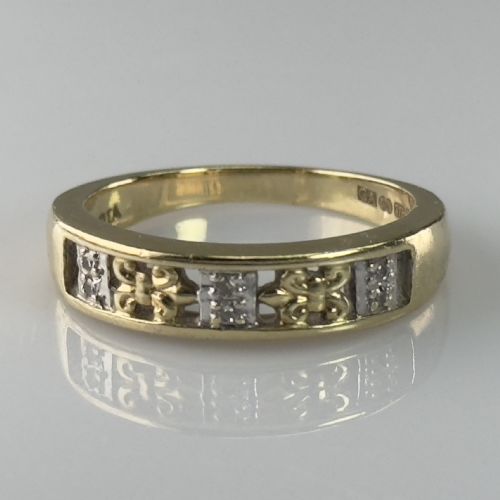


Carved Scroll Ring
These carved scroll ring pieces bring together Victorian and Edwardian goldwork with gemstones, offering distinct period character for daily wear.
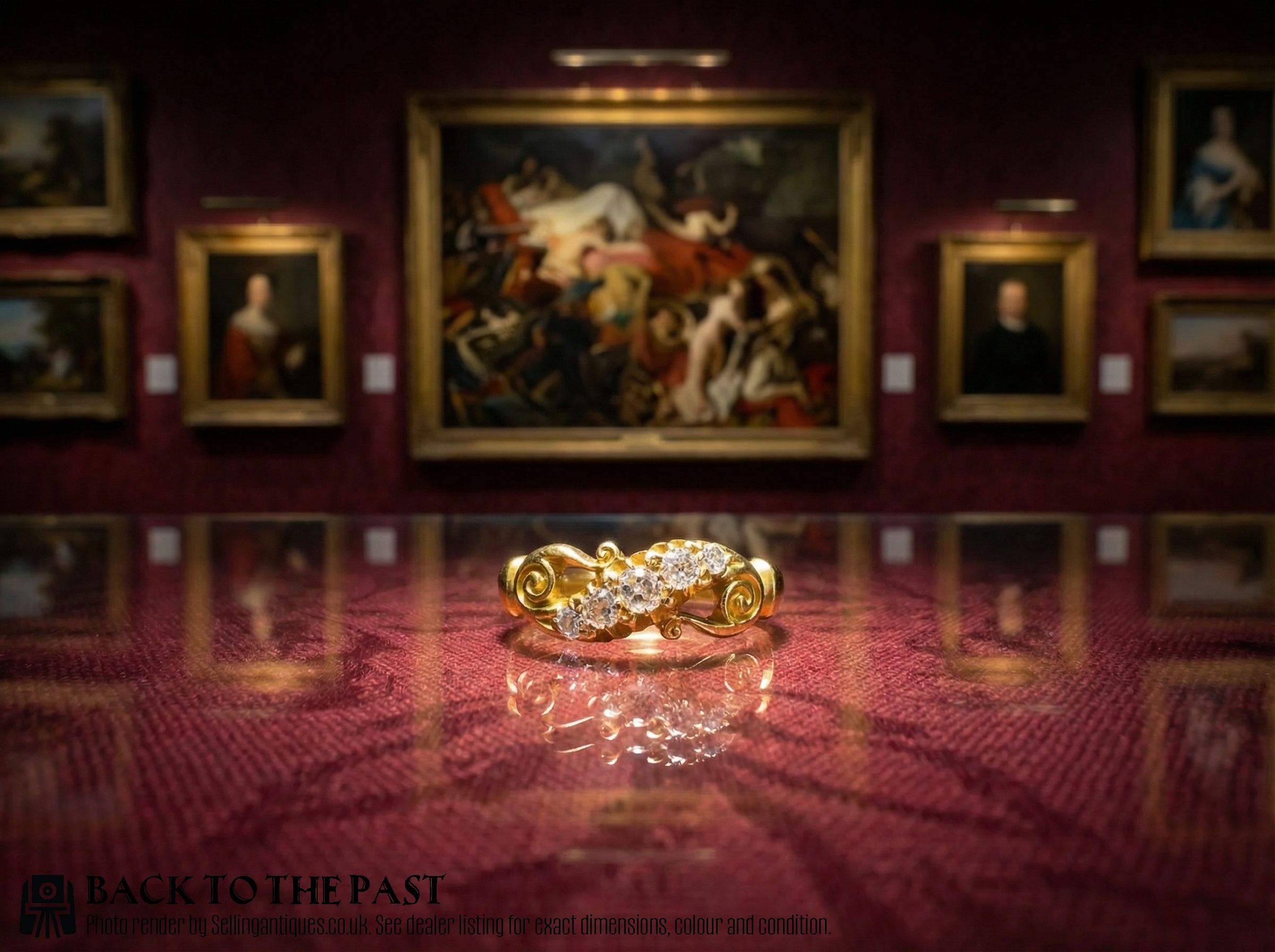
Carved Scroll Ring
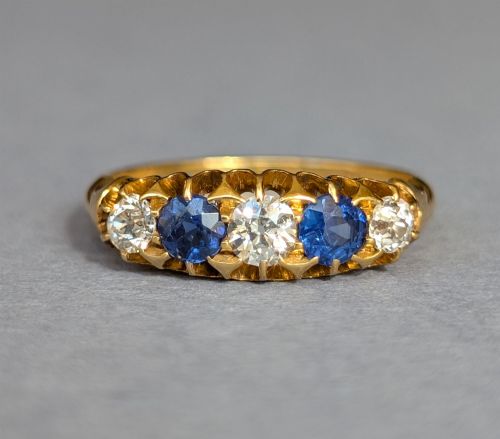
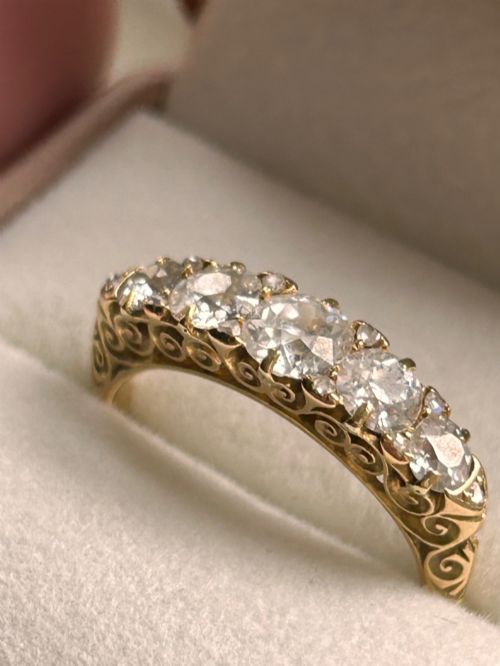
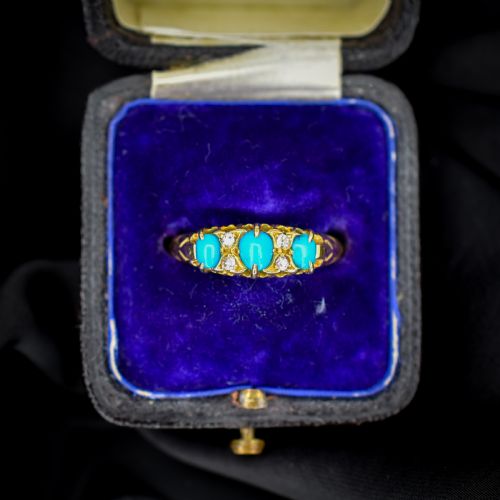
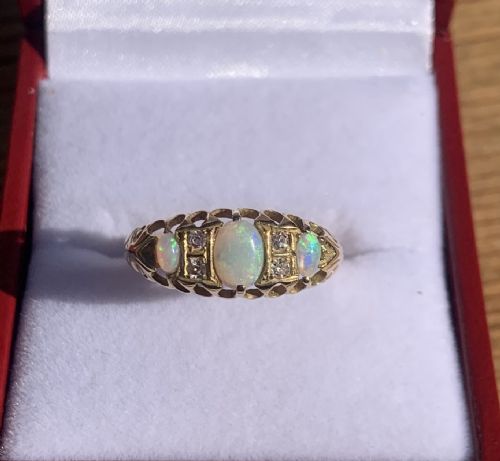
Most examples take the form of boat rings or multi-stone bands set with diamonds, rubies, sapphires, turquoises, or opals. Alongside these jewellery items, the listings occasionally include nineteenth century wooden side tables.
Buyers seeking a carved scroll ring generally gravitate towards gold bands carrying gem-set boat configurations or traditional scroll work. These items capture the distinct decorative tastes of the late nineteenth and early twentieth centuries.
How they were made
The jewellery pieces listed here are fashioned principally from nine carat, fifteen carat, or eighteen carat gold, encompassing both yellow gold and standard gold alloys. Gemstones such as old cut diamonds, sapphires, rubies, turquoises, and opals are hand-set directly into the metal.
Techniques rely on traditional metalworking methods including hand carving, scrolling, and gypsy setting to secure stones within the gold bands. Side tables listed alongside the rings utilise ash wood, constructed through traditional cabinet-making carpentry rather than precious metal techniques.
Among the gold rings and period jewellery, a pair of ash side tables quietly holds court.
What varies in quality
The distinction between tiers rests upon the precision of the metal carving and the quality of the selected gemstones. Finer examples display crisp scrollwork alongside well-matched diamonds and vibrant rubies or sapphires.
Weight and structural substance separate standard production from superior pieces, with heavier eighteen carat gold mounts providing greater durability than lighter counterparts. Hallmarks and assay office stamps further distinguish pieces with documented origins.
The Carved Scroll Ring Glossary
- Boat ring
- A ring featuring a curved boat-shaped setting that tapers towards the shoulders, popular in the Georgian and Victorian eras. This silhouette typically accommodates multiple gemstones arranged in a row.
- Old cut diamond
- A hand-faceted diamond cut before modern machine standards were established, characterised by a smaller table and high crown. These stones display a distinctive candlelit sparkle.
- Gypsy set
- A mounting technique where a gemstone is flush-set directly into a thick metal band so the surface surrounds it smoothly. This creates a secure, snag-free profile.
- Trilogy
- A ring setting featuring three principal stones, often symbolising the past, present, and future. It appears frequently across Victorian and Edwardian gold mounts.
- Assay
- The testing of precious metal purity by an official body, resulting in stamped hallmarks on the interior of the band. These marks verify the gold carat standard and origin.
Carved Scroll Ring: Frequently Asked Questions
What is a carved scroll ring?
A carved scroll ring is a piece of jewellery featuring decorative scrollwork carved into the gold band or setting. These designs frequently incorporate gemstones such as diamonds, rubies, and sapphires.
Such rings date mainly from the Victorian and Edwardian periods, reflecting the ornamental metalwork styles of the nineteenth and early twentieth centuries.
How do I care for antique gold rings?
Antique gold rings require gentle handling due to their age and delicate gem settings. Clean them using warm soapy water and a soft brush, avoiding harsh chemical dips that can damage softer stones like turquoise or opal.
Store each piece separately in a fabric-lined box to prevent the gold and gemstones from scratching against other items in your collection.
How do I tell Victorian from Edwardian rings?
Victorian rings, dating from the mid to late nineteenth century, often feature heavier yellow gold settings, deeper engagement with coloured gemstones, and substantial gypsy or starburst motifs. The metalwork can feel ornate and robust.
Edwardian pieces from the early twentieth century lean towards lighter, airier designs, frequently combining diamonds with yellow gold or early platinum techniques to create lace-like visual effects.