
Carved Round Table
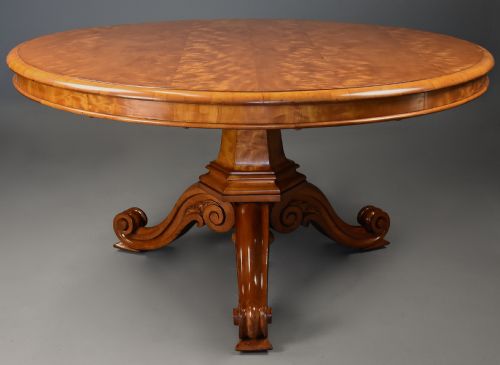
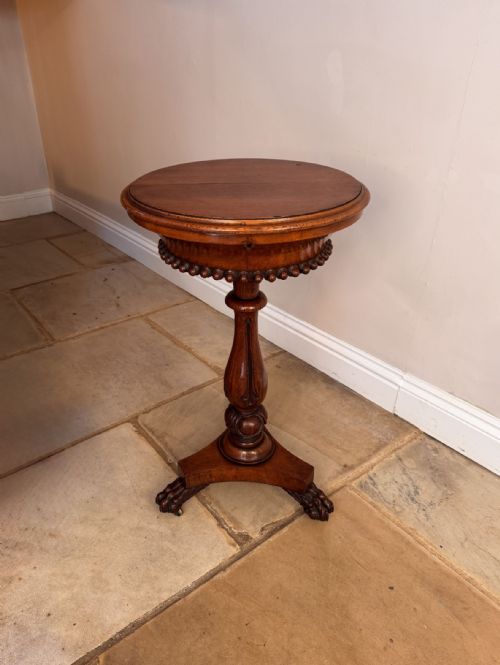
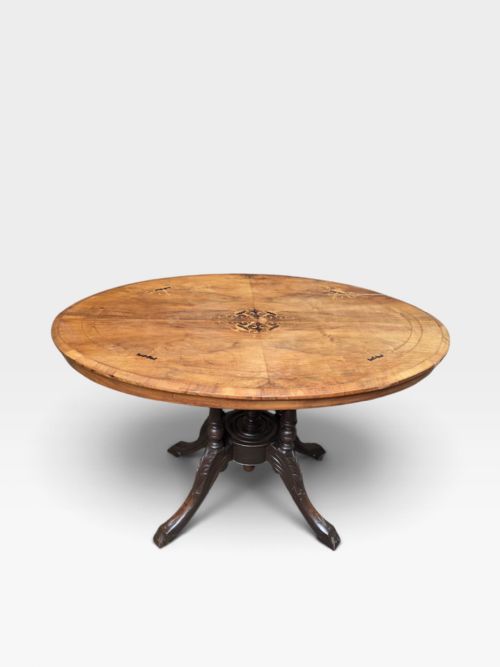
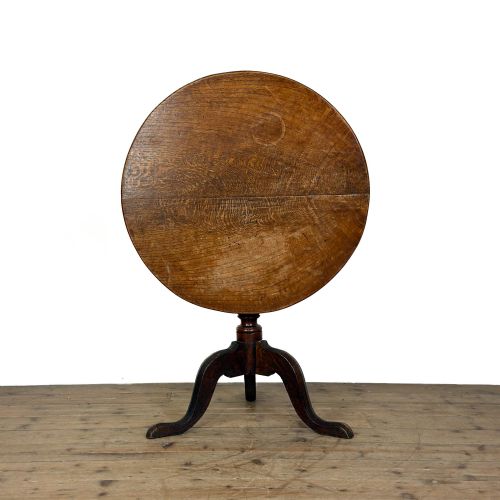
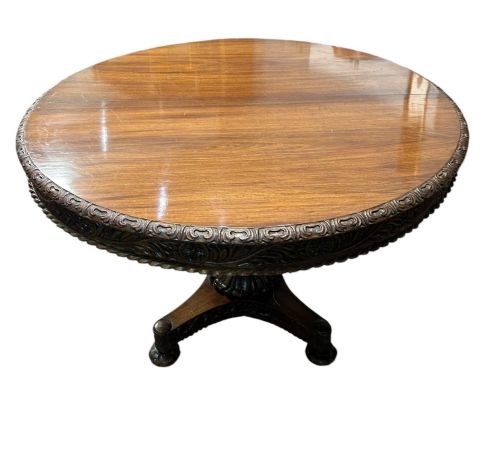
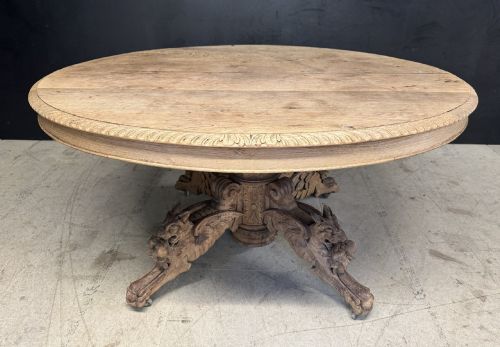
A carved round table brings historic form and timber grain to a room, offering a circular surface supported by sculpted pedestals or legs.
Carved Round Table
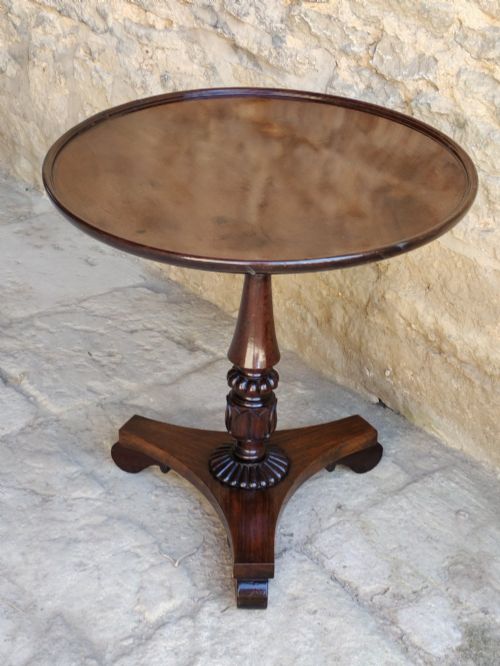
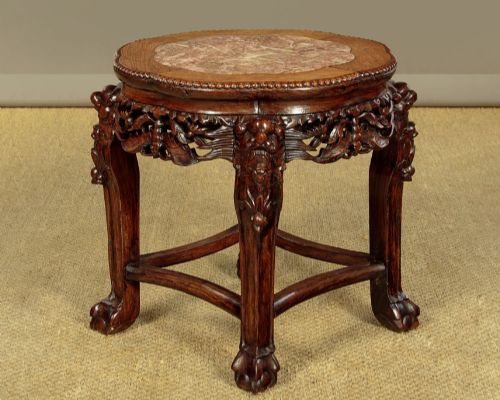
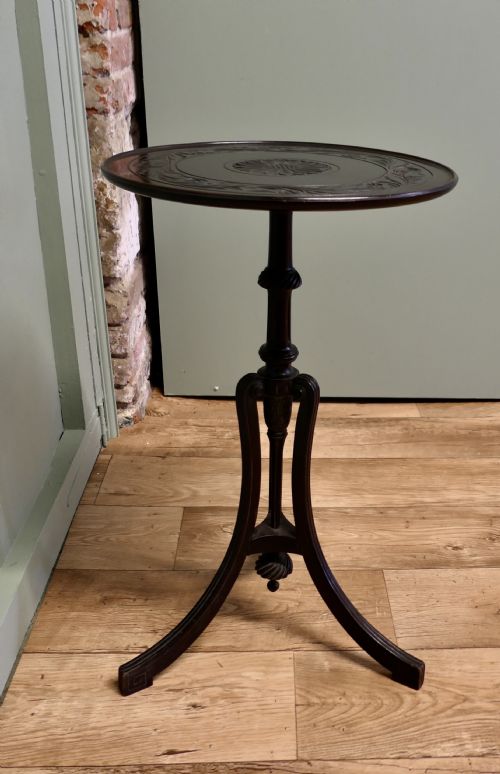
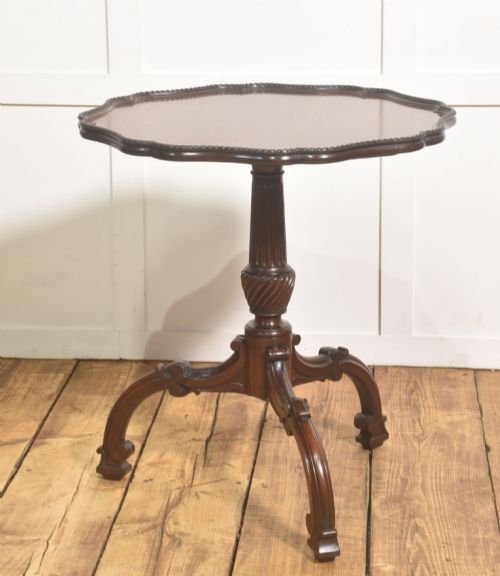
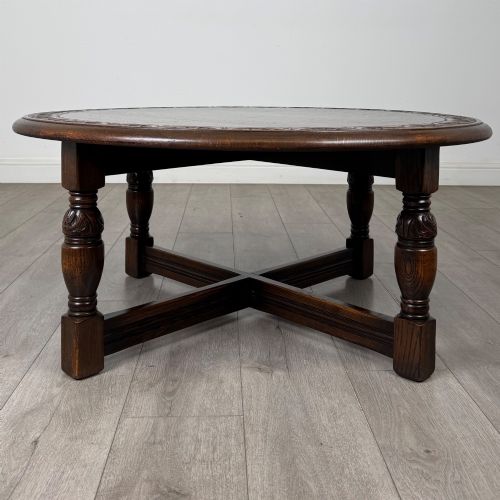
A carved round table encompasses various circular forms from dining and breakfast models to smaller wine and occasional pieces. The selections span the nineteenth century and Edwardian periods, frequently appearing in mahogany, rosewood, and walnut.
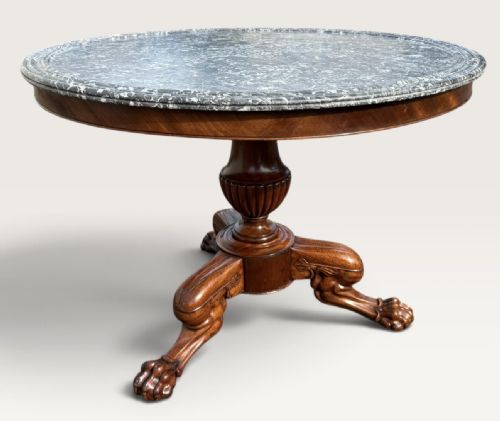
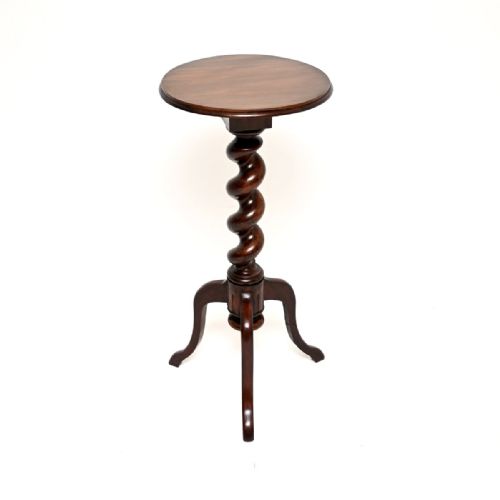
Buyers encounter numerous centre tables and gueridon designs alongside tilt-top breakfast tables resting on pillar and triform bases. These items originate from British, French, and wider European workshops, showing regional variations in timber choice and carving depth.
Materials and Construction
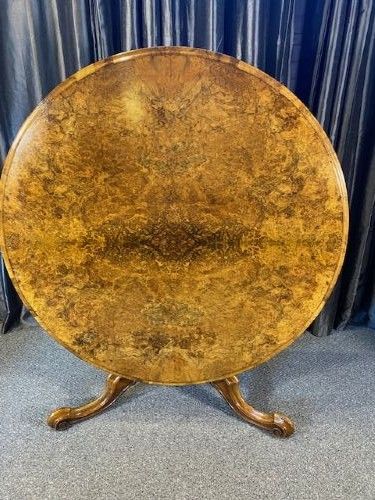
Cabinet makers utilised dense hardwoods such as mahogany and rosewood, often pairing solid turned pedestals with matched veneer tops. Burr walnut and flame mahogany provide distinct grain patterns across the circular surfaces.
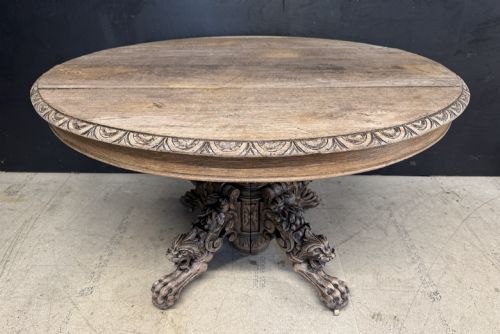
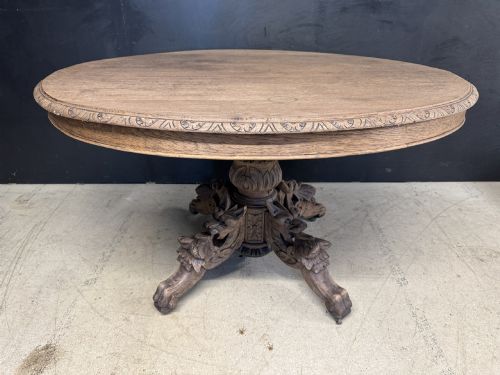
Carving was executed by hand on borders, pedestals, and tripod legs, sometimes incorporating brass fittings, leather inserts, or inset marble slabs. Tilt-top mechanisms relied on solid wooden catches and brass hinges to secure the surface when horizontal.
Evaluating Quality
Superior examples display crisp, deep hand-carving on the base and borders, whereas lesser pieces rely on shallow machine work or plain turnings. The quality of the timber selection dictates the visual depth of the top, particularly in figured mahogany and burr walnut.
Structural integrity depends on the stability of the central column and the precision of the tilt mechanism where fitted. Original mounts, matching brass castors, and intact marquetry or marble inserts elevate the standing of a piece.
Peters of Genoa
The Carved Round Table Glossary
- Gueridon
- A small French round table, typically supported by a single central pillar or tripod base. These tables frequently feature marble tops or decorative veneer work.
- Tilt-top
- A hinged table top that pivots vertically to allow the furniture to be stored against a wall when not in use. This mechanism is common on nineteenth-century breakfast and wine tables.
- Triform
- A three-sided base or pedestal support often resting on scrolled feet. It provides stability for heavy circular dining and centre tables.
- Demilune
- A half-moon shaped table designed to stand flat against a wall. While not circular on its own, a pair can be joined to form a round table.
- Marquetry
- The art of applying decorative pieces of veneer to a structure to form geometric or floral designs. This technique decorates the top surface of walnut and rosewood centre tables.
Carved Round Table: Frequently Asked Questions
How were round tables used historically?
These tables served multiple domestic purposes depending on their size and height. Larger formats functioned in dining rooms and libraries, while smaller tripod versions acted as lamp or wine tables in reception rooms.
Tilt-top variants allowed households to clear floor space quickly when the surface was not needed for meals or writing.
Where should I place a centre table?
A centre table is designed to stand free in the middle of a room rather than against a wall. This allows access from all sides and showcases the carved pedestal and timber grain.
Ensure there is sufficient clearance around the perimeter for movement and seating.
How do I care for a polished wood surface?
Maintain polished mahogany, walnut, and rosewood by dusting with a soft, dry cloth and avoiding synthetic silicone sprays. Protect the timber from direct sunlight and extreme temperature changes to prevent the wood from drying or splitting.
Periodic application of appropriate wax preserves the sheen and nourishes the historic finish.
How can I distinguish a tilt-top breakfast table?
Look underneath the circular top for a wooden or brass catch mechanism that releases the pivot. These tables typically feature a stout central pillar rising from a heavy triform or platform base designed to counterbalance the weight of the top.
They generally measure around table height rather than coffee table height.