




Carved Floral Oak Panel
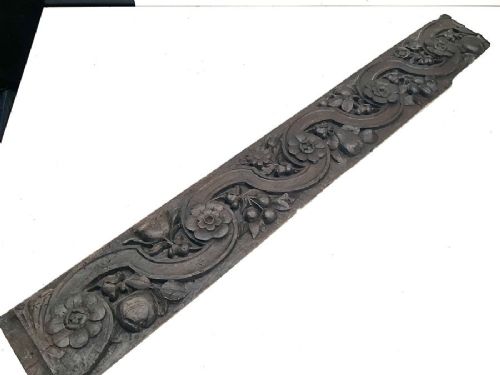
A carved floral oak panel brings centuries of carved botanical detail directly into a room, offering tactile warmth and historic timber character.
Carved Floral Oak Panel
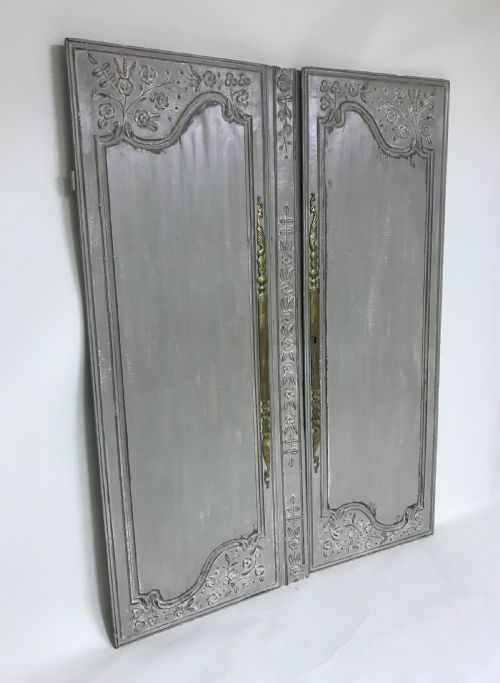
A carved floral oak panel represents architectural salvage and decorative woodwork originating primarily from the seventeenth century and earlier periods. These pieces take the form of individual wall fragments, coffer components, mule chest fronts, and integrated door sections.
The surviving examples range from small English and Flemish floral panels to larger architectural groupings. Buyers most frequently encounter seventeenth century vernacular work featuring stylized botanical motifs carved directly into sturdy timber.
Many of these elements began life as structural components of larger furnishings or interior wall paneling before being repurposed. Their survival offers a direct connection to early woodworking traditions and domestic interior decoration.
How they were made
Makers shaped these items predominantly from solid oak, utilising hand tools to achieve deep relief carving and botanical patterns. Secondary materials such as iron, brass, and occasional wood inlay appear in associated furniture mountings and construction.
Joinery methods relied on traditional pegged frames and panels designed to accommodate the natural seasonal movement of timber. Carvers employed gouges and chisels directly on the seasoned wood, sometimes finishing surfaces with historic paint or wax.
Listings feature oak panels spanning from the sixteenth century through the nineteenth century, encompassing English, Flemish, and French origins.
What varies in quality
The distinction between ordinary and superior pieces rests on the crispness and depth of the hand carving. Workmanship that displays confident tool control and well-proportioned botanical design separates the finer panels from simpler regional production.
Condition and originality dictate much of the enduring appeal, particularly the presence of undisturbed historic surfaces and minimal alteration to the timber. Intact structural framing on integrated coffer and door panels also elevates the overall merit.
The Carved Floral Oak Panel Glossary
- Vernacular
- Everyday regional building and crafting traditions rooted in local materials rather than grand academic design. This term describes items made by local hands for domestic use.
- Coffer
- A large heavy chest used for storage, often constructed with paneled oak walls. Many surviving carved panels originate from the dismantling of these historic pieces.
- Mule chest
- A traditional storage chest featuring one or more drawers beneath the main internal compartment. They frequently incorporate highly decorated front panels.
- Strapwork
- A decorative carving motif resembling interlaced bands or leather straps, commonly found alongside floral designs on sixteenth and seventeenth century woodwork.
Carved Floral Oak Panel: Frequently Asked Questions
How were these panels originally used?
These pieces served primarily as architectural wall decorations or as structural components within larger furniture items such as coffers, chests, and doors.
Over time, many were salvaged from dismantled interiors and furnishings to be displayed independently as decorative works of art.
How do I mount a wooden panel on the wall?
Mounting requires stable backing supports that respect the natural expansion and contraction of aged timber as indoor humidity shifts.
Professional picture framers or specialist restorers utilise non-invasive brass brackets or custom timber cleats to secure the weight safely.
How should I care for historic oak?
Maintenance involves keeping the timber away from direct heat sources, strong sunlight, and sudden shifts in atmospheric moisture.
A light application of traditional microcrystalline wax helps nourish the dry surface without building up excessive residues.
How can I tell the period of a panel?
Dating relies on observing tool marks, timber shrinkage patterns, joinery methods, and the specific evolution of decorative motifs like floral strapwork.
Comparing the carving style against dated examples from the seventeenth century and earlier provides a reliable chronological guide.