




Carved Elm Table
When you handle a carved elm table, you touch timber that holds a dense grain and bears surface work with singular honesty.
Carved Elm Table
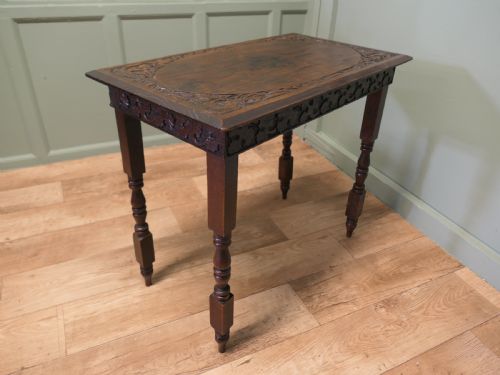
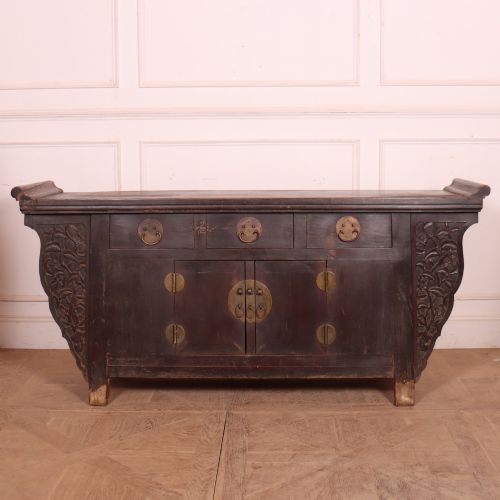
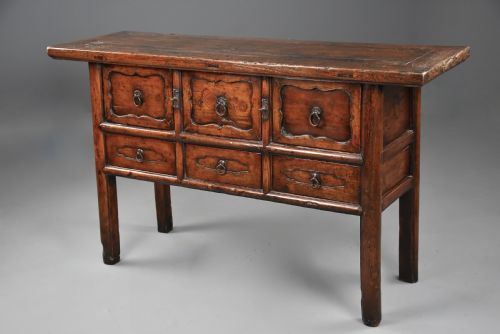
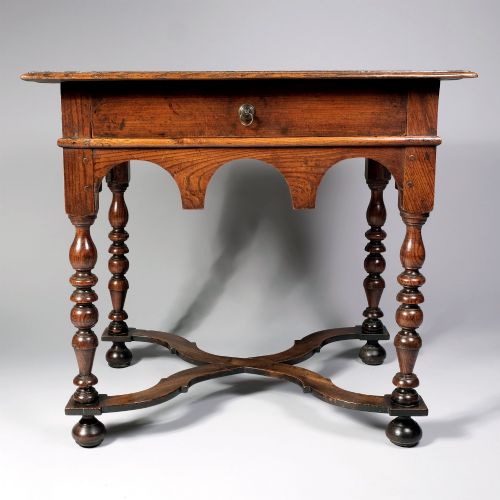
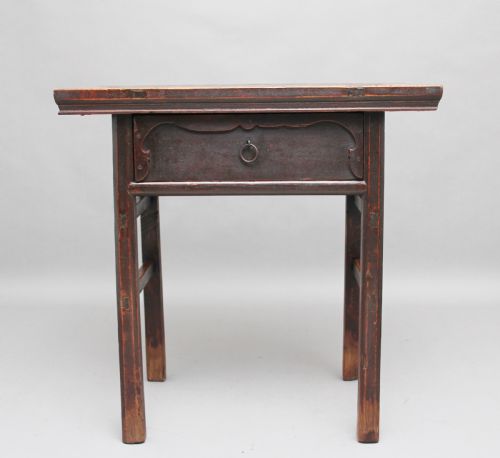
A carved elm table spans a variety of historical forms, ranging from seventeenth-century European refectory designs to nineteenth-century Chinese altar and console tables. Buyers searching for a carved elm table often encounter Asian provincial tables featuring low profiles, alongside British and Scandinavian occasional or dining pieces.
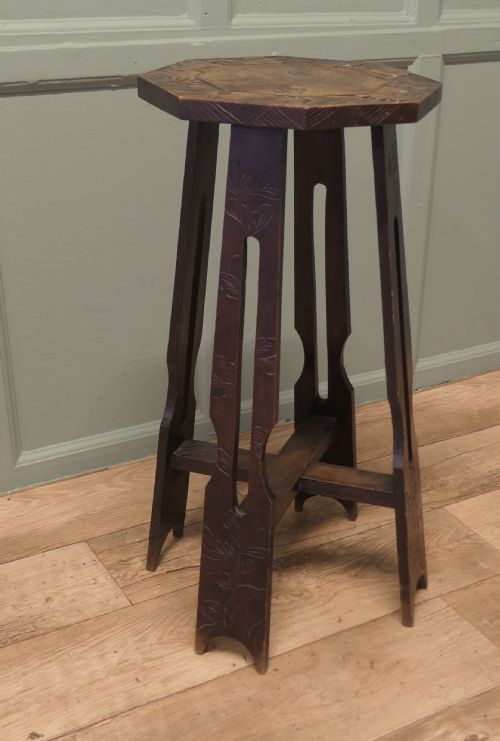
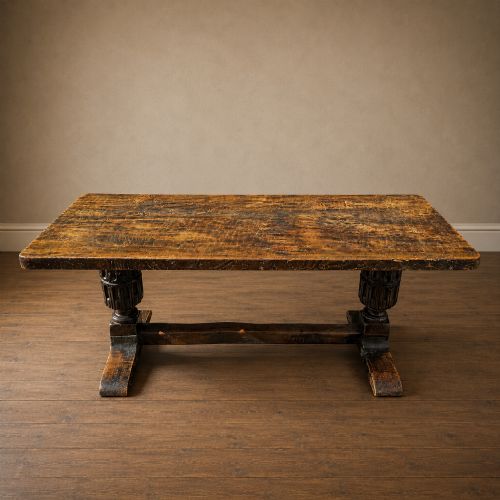
The selection includes specific regional variants like French provincial chopping blocks and Arts and Crafts plant stands, reflecting how widely this durable timber was utilised. These surfaces served practical domestic roles, from writing desks and side tables to substantial refectory boards anchored by single plank elm tops.
Materials and construction methods
Makers utilised elm wood for its toughness and interlocking grain, which resisted splitting while accepting detailed chisel work. Artisans frequently paired elm with secondary timbers such as oak, hardwood, and birch, incorporating brass and iron hardware for structural reinforcement or decorative hinges.
Surface treatments varied from natural waxed patinas to traditional lacquer, preserving the undulating grain patterns distinctive to the timber. Joinery relied on traditional framing and pegging methods suited to heavy daily use in kitchens, refectories, and formal reception spaces.
Carved Elm Table Retail Price Guide 2026
Typical asking prices for carved elm table among the pieces listed under this phrase on Sellingantiques today, from the lower quarter to the upper quarter. They describe what is for sale here now, not the wider market.
Some nineteenth-century Chinese elm tables doubling as writing desks likely witnessed countless cups of tea poured during afternoon scholarly debates.
Assessing quality in carved elm
Quality rests upon the integrity of the timber top, particularly where single planks define the surface and display deep, undisturbed patination. The crispness and depth of the carved elements, whether geometric Celtic motifs or provincial Chinese relief panels, distinguish workshop standards.
Structural honesty and the preservation of original surfaces dictate value, as timber subjected to excessive restoration loses its historical character. The harmony between the elm top and its supporting frame, whether oak, hardwood, or pine, indicates the original maker's intent and skill.
Liberty & Co·Heals Of London
The Carved Elm Table Glossary
- Elm
- A durable hardwood characterised by an interlocking grain structure that makes it resistant to splitting. This timber was frequently chosen for heavy kitchen tables, refectory boards, and country furniture.
- Refectory Table
- A long dining table traditionally used in communal dining halls and large country houses. These pieces often feature sturdy timber stretchers supporting substantial plank tops.
- Altar Table
- A traditional Chinese form featuring an elongated rectangular top, sometimes with upturned ends, utilised for display or ritual purposes. They are frequently rendered in elm or mixed hardwoods.
- Patina
- The surface sheen and colour developed by wood through age, handling, and regular waxing. A fine patina indicates decades of use and proper maintenance without harsh stripping.
- Low Boy
- A small eighteenth-century dressing or side table standing on four tall legs, typically fitted with one or more drawers beneath the working surface.
Carved Elm Table: Frequently Asked Questions
How do I care for a carved elm table?
Feed the timber periodically with a neutral beeswax to maintain the natural moisture and protect the grain from drying out. Avoid placing the table near direct heat sources or in fluctuating humidity to prevent the plank top from warping.
Clean the surface with a soft, dry cloth rather than wet solutions that can penetrate unsealed grain or old polished finishes. Regular gentle buffing preserves the historic patina developed over centuries of use.
Where were these carved elm tables made?
The pieces originate from diverse workshops spanning British, Scandinavian, French provincial, and Chinese regional traditions. Each region employed local joinery methods suited to the tough nature of the timber.
Chinese examples often reflect altar or console forms, while European variants tend toward refectory, side, and occasional table designs. This geographic spread accounts for the wide divergence in carving styles and proportions.
What is a single plank elm top?
A single plank top uses one wide board sawn from the trunk of a mature elm tree rather than multiple boards joined together. This construction method showcases the uninterrupted flow of the grain across the entire surface.
Finding a wide single plank requires a substantial tree and adds structural integrity and visual weight to refectory and side tables.
How do I distinguish 17th-century from 19th-century tables?
Seventeenth-century pieces typically display heavier framing, pegged joinery, and structural elements like stretchers designed for stability on uneven floors. The tooling marks left by hand adzes and chisels are generally more pronounced on earlier examples.
Nineteenth-century items often incorporate regional stylistic revivals, such as Arts and Crafts or Celtic motifs, alongside cleaner mechanical cuts in secondary framing timbers. Examining the underside and joint construction reveals the manufacturing era.