


Caged Ceiling Light
A caged ceiling light brings a sense of structural enclosure to a room, offering brass frames and glass prisms from early twentieth-century workshops.
Caged Ceiling Light
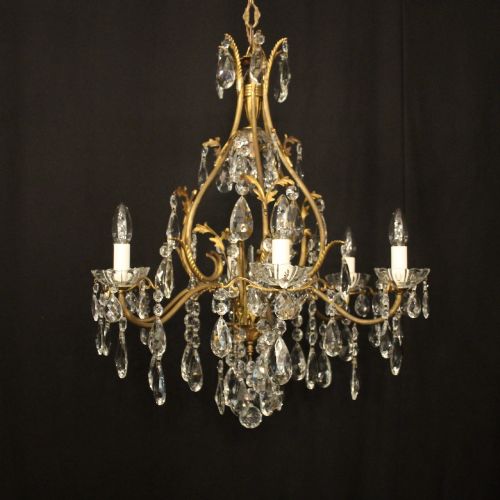
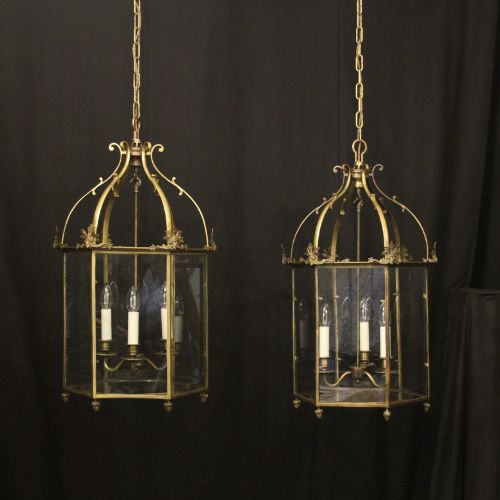
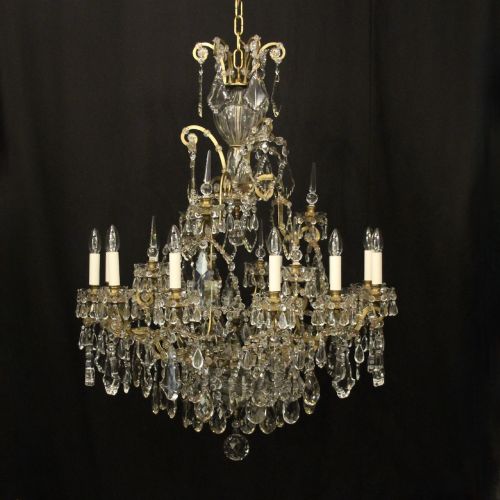
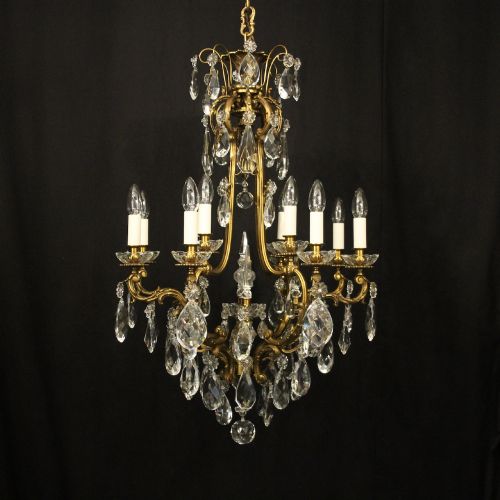
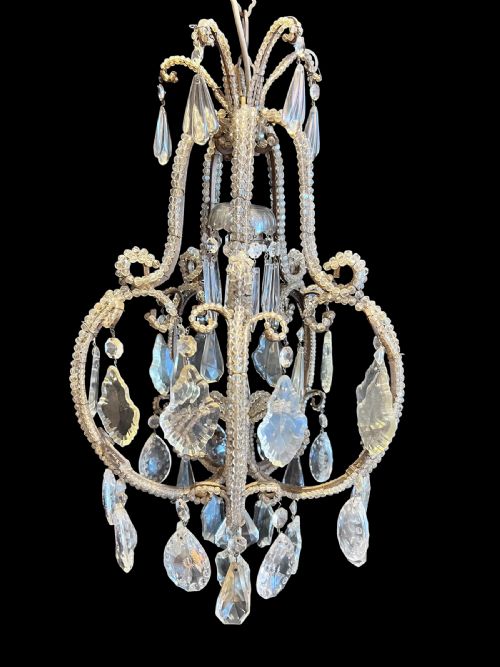
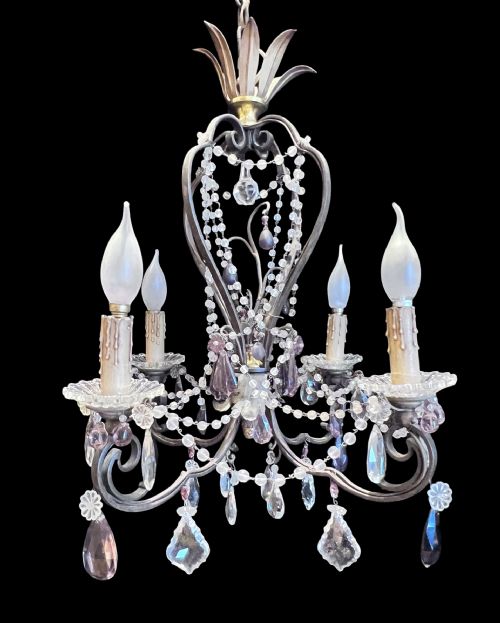
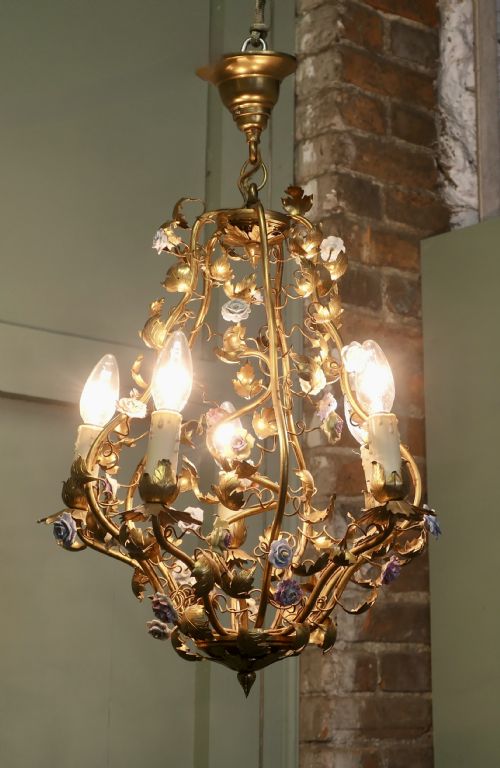
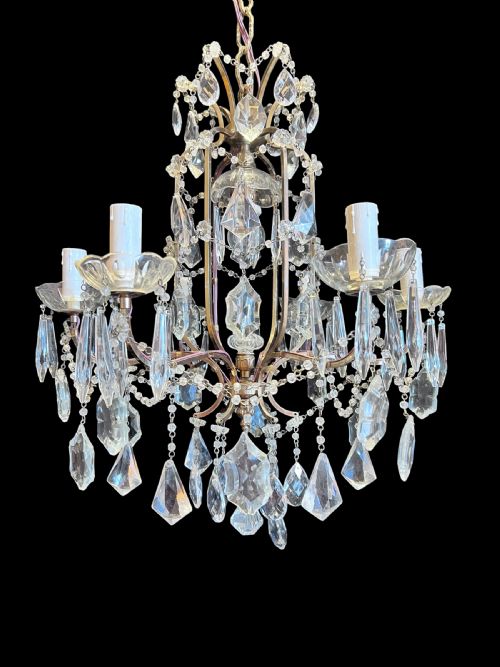
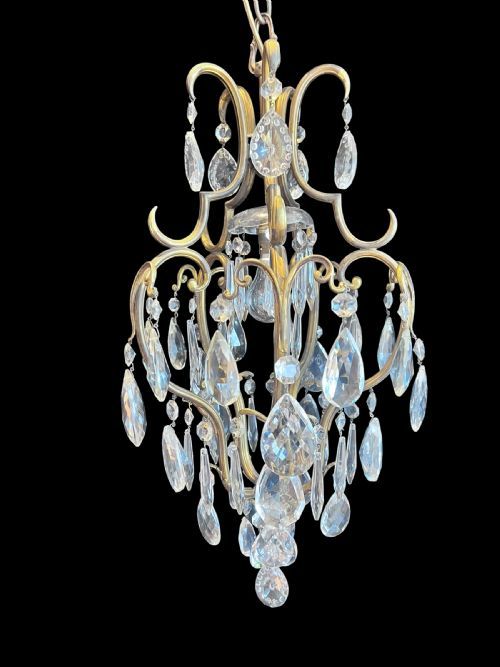
A caged ceiling light encompasses various forms of enclosed illumination, such as hall lanterns, pendant lights, and birdcage chandeliers. When searching for a caged ceiling light, buyers encounter pieces primarily originating from the late nineteenth century and the early twentieth century.
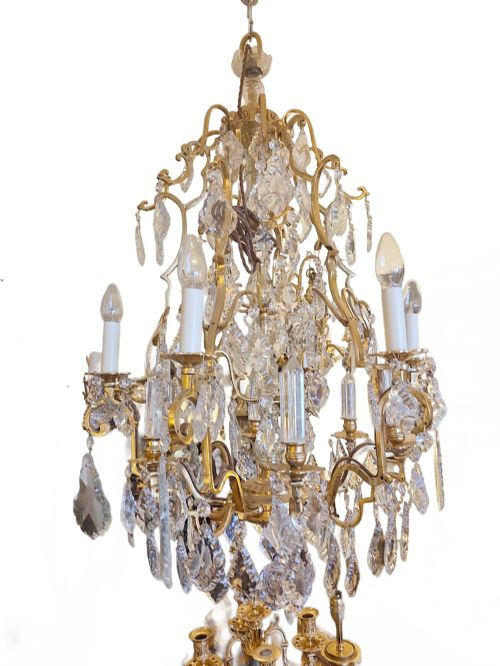
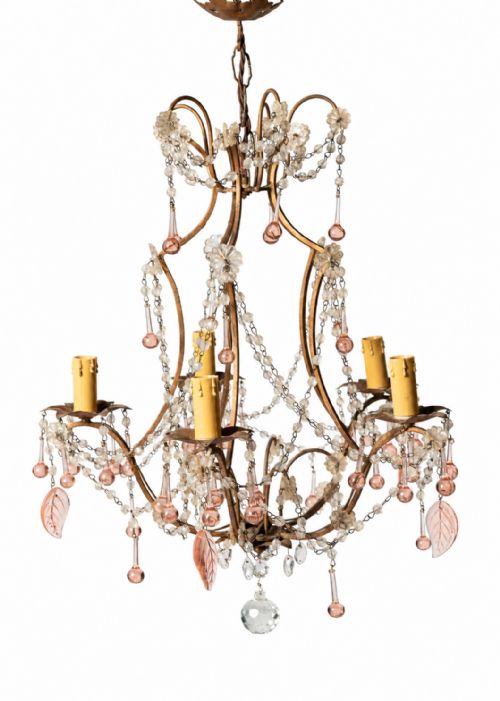
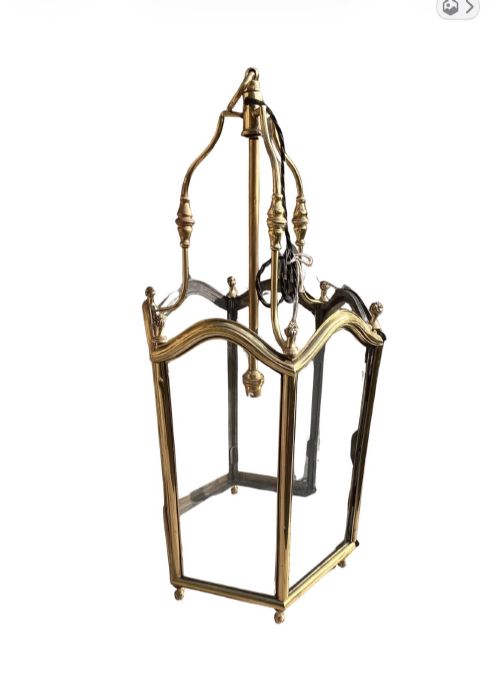
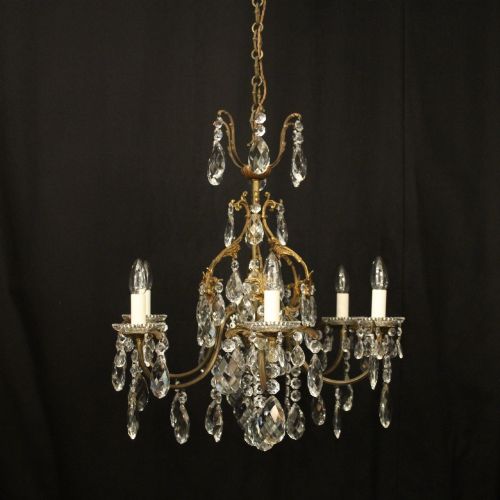
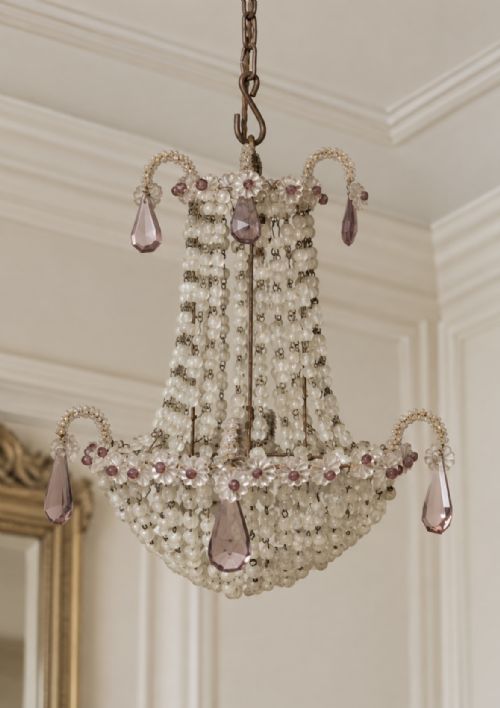
The most common examples on this page are French and Italian fixtures, constructed with metal frameworks enclosing glass or crystal elements. These range from single-light nautical pendants to multi-armed birdcage chandeliers styled after French classical and rococo designs.
How they were made
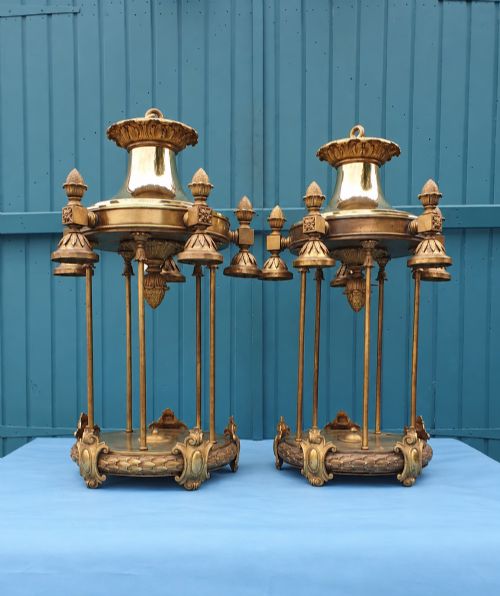
Makers utilised cast and forged metals including brass, bronze, copper, and gilt metal to build the structural cages and frames that support the glass. Components were frequently gilded or silvered to enhance the decorative presence of the metalwork.
Lighting assemblies incorporated cut crystal, amethyst crystal, and smoked or bevelled glass panels held within the metallic framework. Toleware elements, ceramic flowers, and hand-stitched leather occasionally supplemented the metal and glass construction.
Caged Ceiling Light Retail Price Guide 2026
Typical asking prices for caged ceiling light among the pieces listed under this phrase on Sellingantiques today, from the lower quarter to the upper quarter. They describe what is for sale here now, not the wider market.
Listings span the late nineteenth century to the 1930s, featuring brass, bronze, crystal, and glass across French and Italian designs.
What varies in quality
The distinction between standard examples and finer pieces lies in the precision of the metal casting and the complexity of the glasswork. Elaborate chasing on gilded bronze frames and the presence of heavily cut crystal prisms elevate a fixture's decorative impact.
Proportion and architectural balance dictate the overall success of the design, particularly in pieces referencing specific historical models like those from the Palace of Versailles. Original mounts, consistent patination, and integrated components set superior examples apart.
La Mason Bagues
The Caged Ceiling Light Glossary
- Birdcage chandelier
- A lighting fixture featuring a curved metal framework resembling a birdcage, typically hung with crystal drops and multiple internal arms. This form gained particular popularity in early twentieth-century French production.
- Ormolu
- Gilded bronze used for decorative mounts and structural frames, created by applying an amalgam of gold to a bronze base. It provides a warm, enduring metallic lustre.
- Toleware
- Painted or enamelled sheet metal utilised for decorative floral elements and structural body parts on specific lighting forms. It introduces colour and folk-art charm to the fixture.
- Bevelled glass
- Glass panes with edges cut and polished at an angle, allowing them to refract light distinctively within a lantern frame. This technique adds depth to simpler geometric enclosures.
Caged Ceiling Light: Frequently Asked Questions
Where should I hang a caged ceiling light?
These fixtures suit entryways, hallways, and rooms with sufficient ceiling height where an enclosed lantern or birdcage form can serve as a focal point.
Smaller single-light nautical pendants work well in compact spaces, while multi-armed chandeliers fit central living areas.
How do I date an antique caged ceiling light?
Dating relies on stylistic clues, construction methods, and materials characteristic of periods from the late nineteenth century through the Edwardian era and the 1930s.
French rococo revival pieces often date to the early decades of the twentieth century, while simpler brass and bevelled glass hall lights span the Edwardian period.
Are these lights ready for modern wiring?
Many antique fixtures retain older electrical components or require professional rewiring to meet current safety standards upon installation.
Buyers should consult a qualified electrician to ensure compatibility with modern domestic circuits.